
Beautiful Plants For Your Interior
Beautiful Plants For Your Interior
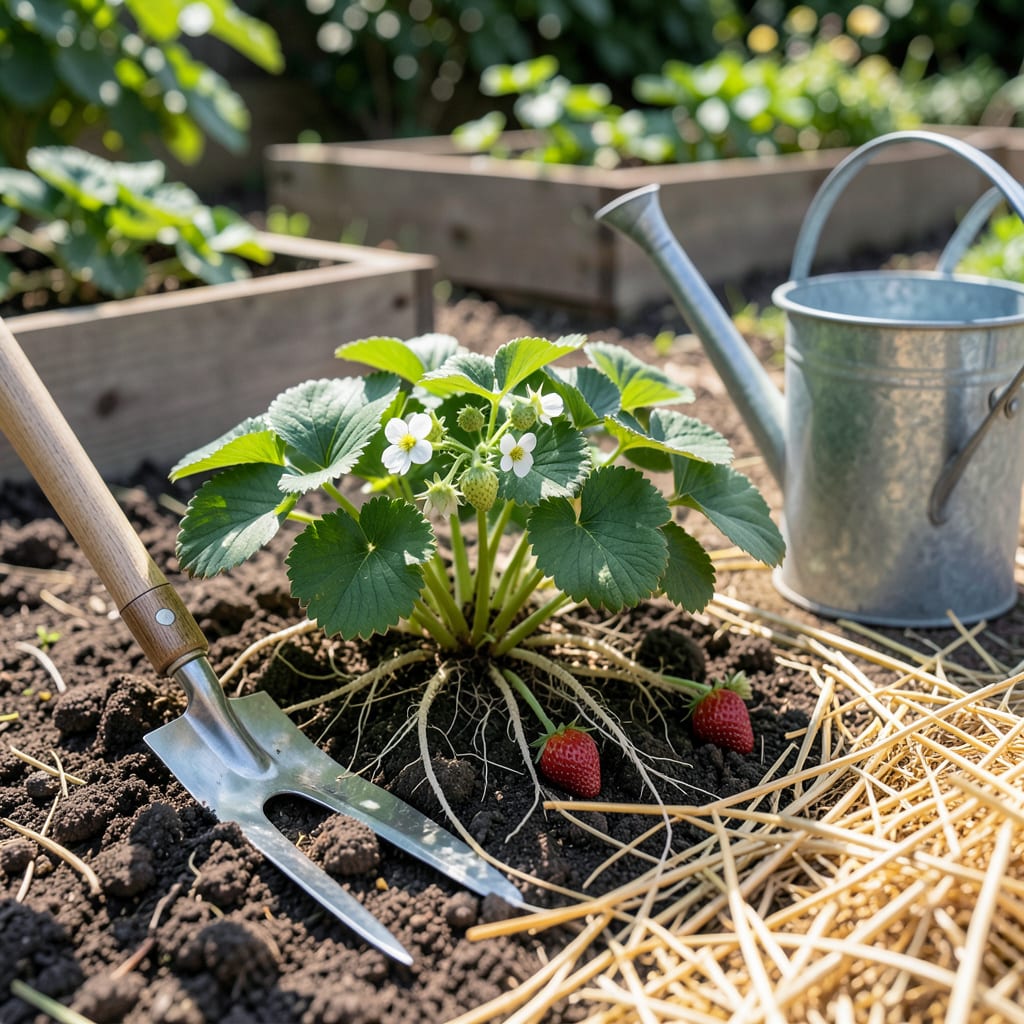
Timing can make or break your 🍓 strawberry harvest in Zone 7. Plant those bare roots too early, and a late frost might wipe them out. Wait too long, and you’ll sacrifice the juiciest summer berries to scorching heat.
After testing different windows, I’ve found the late-winter sweet spot—when soil hits 40°F but frost risk is fading. Stick with me, and I’ll show you exactly how to nail the timing for plump, sun-ripened strawberries by May.
If you’re itching to grow bare root strawberries in Zone 7, timing is your secret weapon. Plant too early, and a late frost could wipe out your tender new plants. Wait too long, and your berries won’t have time to establish before summer’s heat arrives. I’ve found the sweet spot is between late February and early April. 🌱
Zone 7’s last frost date typically falls around April 15, so aim to plant 4-6 weeks beforehand. This gives roots time to settle while avoiding frost damage. Soil temperature is key—it should be at least 40°F for roots to start growing. Use a soil thermometer to check before planting.
I always recommend soaking bare roots in water for 1 hour before planting. This rehydrates the roots and gives them a head start. While you’re waiting, prep your soil by mixing in compost or aged manure to boost fertility. Strawberries thrive in loamy, well-draining soil, so avoid heavy clay spots. 🪴
If you’re planting in late February or early March, keep an eye on the forecast. A sudden cold snap can be deadly for new plants. I use row covers or cloches to protect young strawberries if temps dip below 28°F. Remove covers during the day to prevent overheating.
For those who miss the early window, don’t panic! You can still plant up until early April, but you may need to water more frequently to help roots establish before summer. Mulch immediately after planting with straw or pine needles to retain moisture and suppress weeds.
One mistake I see often is planting too deep or too shallow. The crown (where roots meet leaves) should sit just above soil level. Bury it, and the plant may rot. Leave it exposed, and it’ll dry out. Get this right, and you’ll be rewarded with plump, sweet berries by late spring. 🍓
If you’re growing everbearing or day-neutral varieties, timing is slightly more flexible. These types produce fruit throughout the season, so planting in early April still yields a decent harvest. However, June-bearing varieties need that early start to maximize their single, large crop.
After planting, water deeply to settle the soil and eliminate air pockets. For the first week, keep the soil consistently moist but not soggy. Once established, strawberries need about 1 inch of water per week, including rainfall. A drip irrigation system works wonders here.
Finally, resist the urge to harvest in the first year if you’re growing June-bearing strawberries. Pinch off blossoms to direct energy into root and runner growth. Trust me—this sacrifice leads to bigger harvests in year two. For everbearing types, you can enjoy a modest first-year harvest if planted early enough. ✅
Now that you know the perfect timing for Zone 7, let’s dig into the planting process itself. Bare root strawberries need extra TLC when they first hit the soil. I’ll walk you through every step—from soaking roots to mulching techniques—to ensure your plants thrive. 🌱
Start by soaking the roots in lukewarm water for 1 hour before planting. This rehydrates them after shipping and kickstarts growth. While they soak, prepare your planting site: choose a spot with 6-10 hours of sun and well-draining soil with a pH of 5.5-6.8. 💧
Planting too deep causes crown rot, while planting too shallow dries out roots. The crown should sit just above soil level—no deeper, no shallower!
Skipping the soak stresses plants, and ignoring soil prep leads to poor growth. Test your soil’s pH and amend with compost if needed.
When ready, dig holes 12-18 inches apart (closer for small patches, wider for rows). Spread the soaked roots in the hole, ensuring they’re not bent or crowded. Backfill with soil, gently firming it around the roots. Water immediately to settle the soil and eliminate air pockets. ✂️
After planting, apply a 2-3 inch layer of mulch—straw or pine needles work best. Mulch retains moisture, suppresses weeds, and protects berries from soil contact. Avoid heavy mulches like wood chips, which can smother young plants. Keep mulch 1 inch away from the crown to prevent rot. 🌿
For the first week, keep soil consistently moist but not soggy. Use a drip irrigation system or water at the base to avoid wetting leaves, which invites disease. Once established, strawberries need about 1 inch of water per week, including rainfall. Adjust for heatwaves or drought. ☀️
If planting in containers, choose pots at least 8 inches deep with drainage holes. Use a lightweight potting mix amended with compost. Container-grown strawberries dry out faster, so check moisture daily and water every 2-3 days in summer. Elevate pots to improve drainage and airflow. 🪴
Not all strawberries are created equal—especially in Zone 7. Choosing the right bare root variety can mean the difference between a trickle of berries and a bountiful harvest from spring to fall. I’ve tested dozens, and these three types consistently outperform the rest. 🌱
For June-bearing strawberries, ‘Chandler’ is my top pick. It produces large, sweet berries in late spring and thrives in Zone 7’s climate. If you want extended harvests, ‘Albion’ (an everbearing variety) delivers fruit from spring through fall, perfect for snacking fresh from the garden. 🍓
If you’re short on space, ‘Seascape’ (a day-neutral variety) is your best bet. It’s compact, disease-resistant, and produces berries all season long—ideal for containers or raised beds. All three varieties need full sun and well-draining soil, but ‘Seascape’ tolerates partial shade better than the others. ☀️
For humid summers, prioritize disease-resistant varieties like ‘Albion’ or ‘Seascape’. They handle Zone 7’s moisture better than older heirloom types, which can succumb to gray mold or powdery mildew. If you’re planting in containers, ‘Seascape’ is the clear winner—it stays compact and produces steadily. 🪴
Pro tip: Mix varieties for a nonstop supply. Plant ‘Chandler’ for a big June harvest, then rely on ‘Albion’ and ‘Seascape’ to keep the berries coming through fall. Just remember—June-bearing types need blossoms pinched in year one for stronger future yields. ✂️
Planting before soil reaches 40°F risks frost damage to tender roots. Late-winter cold snaps can kill unestablished plants. Always check the 10-day forecast and use row covers if temps dip below 28°F.
Choose pots at least 8 inches deep with drainage holes. Use a lightweight potting mix amended with compost. Container strawberries need watering every 2-3 days in summer since they dry out faster than in-ground plants.
Cover plants with frost blankets or cloches when temps drop below 32°F. Remove covers during the day to prevent overheating. Straw mulch (2-3 inches) also insulates roots while allowing soil to warm gradually.
Yes! Pinching off blossoms directs energy into root and runner growth. This sacrifice yields 3x more berries in year two. For everbearing types like ‘Albion’, you can leave some blossoms for a small first-year harvest.
Planting the crown too deep or too shallow. The crown (where roots meet leaves) should sit just above soil level. Bury it, and it rots. Leave it exposed, and it dries out. Use a ruler to measure—1/4 inch above soil is perfect.
