
Beautiful Plants For Your Interior
Beautiful Plants For Your Interior
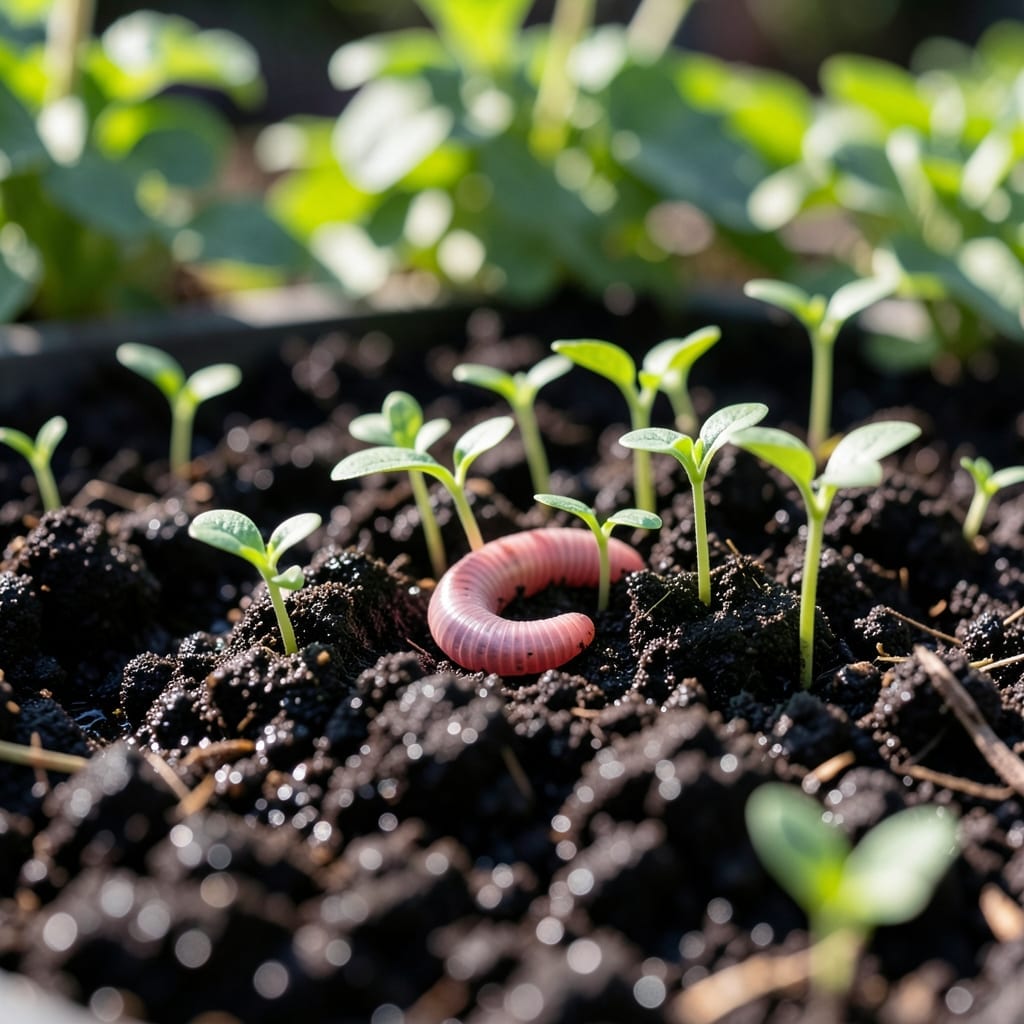
Black soil is rich in organic matter, humus, essential nutrients like nitrogen, phosphorus, and potassium, along with beneficial microorganisms that enhance plant growth.
This fertility makes it a gardener’s dream for growing vegetables, fruits, and ornamentals. I’ve seen black soil transform struggling gardens into thriving ecosystems, thanks to its ability to retain moisture while providing a steady nutrient supply. The dark color comes from decomposed plant material, which also improves soil structure and root development. 🔥
💡 In This Article
The dark hue of black soil comes from decayed plant material and animal matter. Over time, these break down into humus through microbial action, creating a complex structure that holds moisture and nutrients exceptionally well. This process typically occurs in grassland ecosystems where root systems and fallen vegetation accumulate rapidly.
What sets black soil apart is its humus content, which can reach 5-10% by volume in the most fertile examples. This organic component acts like a sponge, retaining up to 60-80% more water than sandy soils. The decomposition process also releases essential nutrients at a steady rate, making them readily available to plant roots. 🔥
Microorganisms play a crucial role in this ecosystem. A single gram of healthy black soil can contain millions of bacteria, fungi, and other microbes that break down organic matter into plant-available nutrients. These organisms also produce sticky substances that help bind soil particles together, improving its structure.
The nutrient profile of black soil often shows impressive numbers: nitrogen levels frequently test at 0.2-0.5%, phosphorus at 0.1-0.3%, and potassium at 0.1-0.4%. This natural fertility means plants can thrive with minimal additional fertilization, making it ideal for both agriculture and gardening. ✨
This soil’s ability to maintain its fertility over time comes from its balanced composition. Unlike sandy soils that leach nutrients quickly or clay soils that can become compacted, black soil maintains good drainage while still retaining essential elements.
The organic matter also helps buffer pH levels, keeping them in the optimal 6.0-7.5 range for most plants. 💫
Decayed plant and animal matter break down into humus, creating the characteristic dark hue. This organic material also improves moisture retention and nutrient availability.
It contains 5-10% humus by volume, which slowly releases nitrogen, phosphorus, and potassium. The high microbial activity further enhances nutrient cycling for plants.
Yes, without proper care. Crop rotation, adding compost, and avoiding overwatering help maintain its richness. Test soil pH every 2-3 years for best results.
Leafy greens, root vegetables, and fruit-bearing plants thrive due to steady nutrient supply. Even flowering plants like roses benefit from its organic matter.