
Beautiful Plants For Your Interior
Beautiful Plants For Your Interior
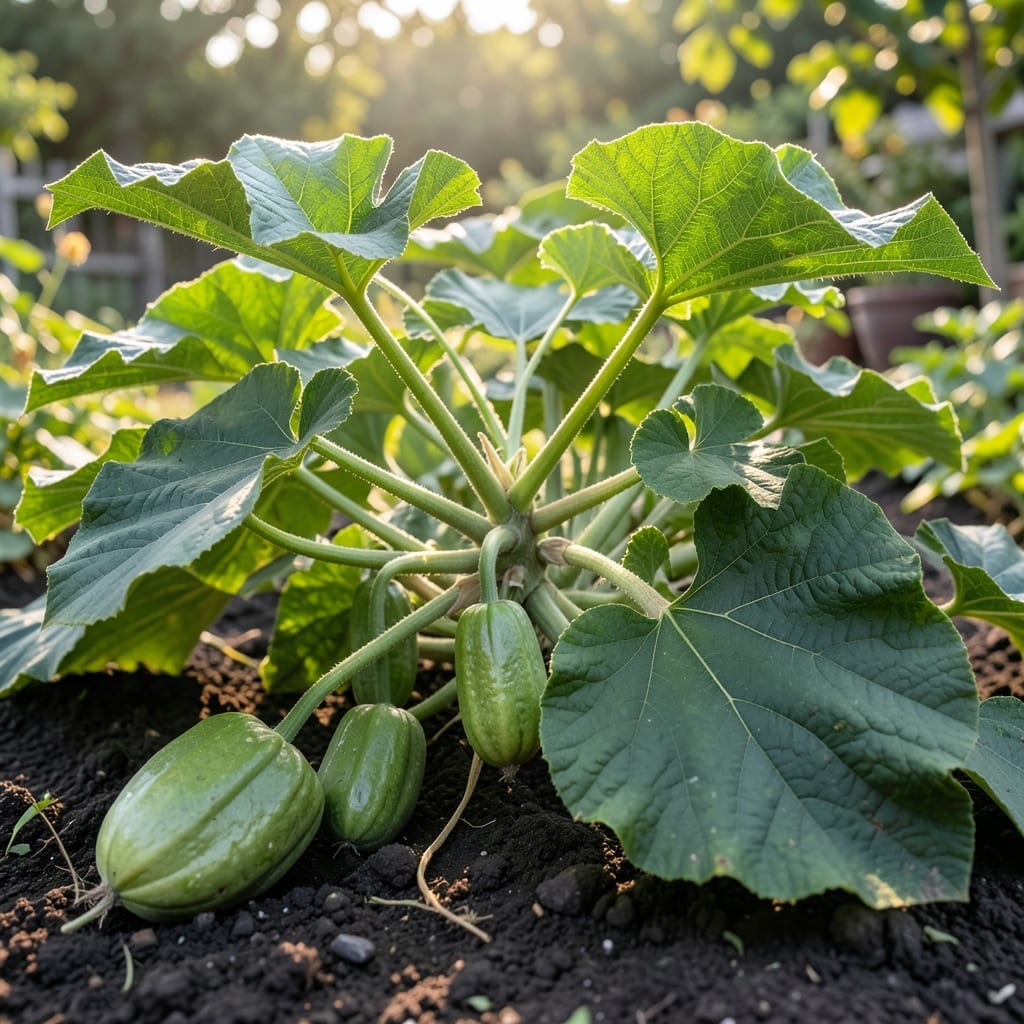
Ayote is a type of squash, also known as calabaza, widely grown in tropical regions for its edible flesh, seeds, and young shoots. It belongs to the Cucurbita family and is prized for its sweet, nutty flavor.
I’ve grown this in my own garden and can attest to its versatility—you can eat the tender shoots raw in salads or cook the mature fruit in stews. Ayote vines thrive in warm climates, producing large, round fruits that store well. Its cultural significance spans Latin America and the Caribbean, where it’s a staple in many traditional dishes. ✨
💡 In This Article
Ayote belongs to the Cucurbita moschata species, distinguishing it from pumpkins or zucchini. Its vines can stretch 10-15 feet under ideal conditions, producing large, ribbed fruits that range from 2-20 pounds. The rind hardens to a tough, green or orange shell as it matures, protecting the dense, golden-orange flesh inside. ✨
The flesh texture is uniquely fibrous yet tender when cooked, similar to butternut squash but with a higher moisture content. Its flavor profile develops from mild sweetness in young fruits to a deeper, almost chestnut-like richness in mature specimens. The seeds, flat and white, grow in a central cavity and are edible when roasted. 🌟
Unlike summer squashes that are harvested immature, ayote is typically grown to full maturity. This allows its starch content to convert into sugars, creating that signature sweetness. The plant’s large, lobed leaves have a rough texture that helps deter pests, while its yellow flowers are edible and often used in regional cuisines. 🔥
What sets ayote apart is its adaptability to tropical climates. While most squashes struggle in high humidity, ayote thrives in temperatures between 70-90°F and can tolerate both drought and heavy rainfall better than its Cucurbita cousins. Its deep root system allows it to access water and nutrients that shallower-rooted plants can’t reach. ⚡
The plant’s growth habit is particularly vigorous. Under optimal conditions, you’ll see new vines sprouting daily during the growing season, with fruits developing from pollinated female flowers. Each vine can produce 5-10 fruits per season, making it an efficient crop for both home gardeners and commercial growers. 💫
No, while both are sweet and nutty, ayote belongs to Cucurbita moschata and has a higher moisture content. Butternut squash is typically drier and sweeter.
Yes! The young shoots and flowers are edible and often used in salads or soups. The leaves can be cooked like spinach.
From seed to harvest, ayote typically matures in 90-120 days. Fruits are ready when the rind hardens and changes color.
Store whole, mature fruits in a cool, dry place for up to 3 months. Cut pieces should be refrigerated and used within 5-7 days.
Yes, vines can spread 10-15 feet. For small gardens, use a sturdy trellis to save space and improve air circulation.