
Beautiful Plants For Your Interior
Beautiful Plants For Your Interior
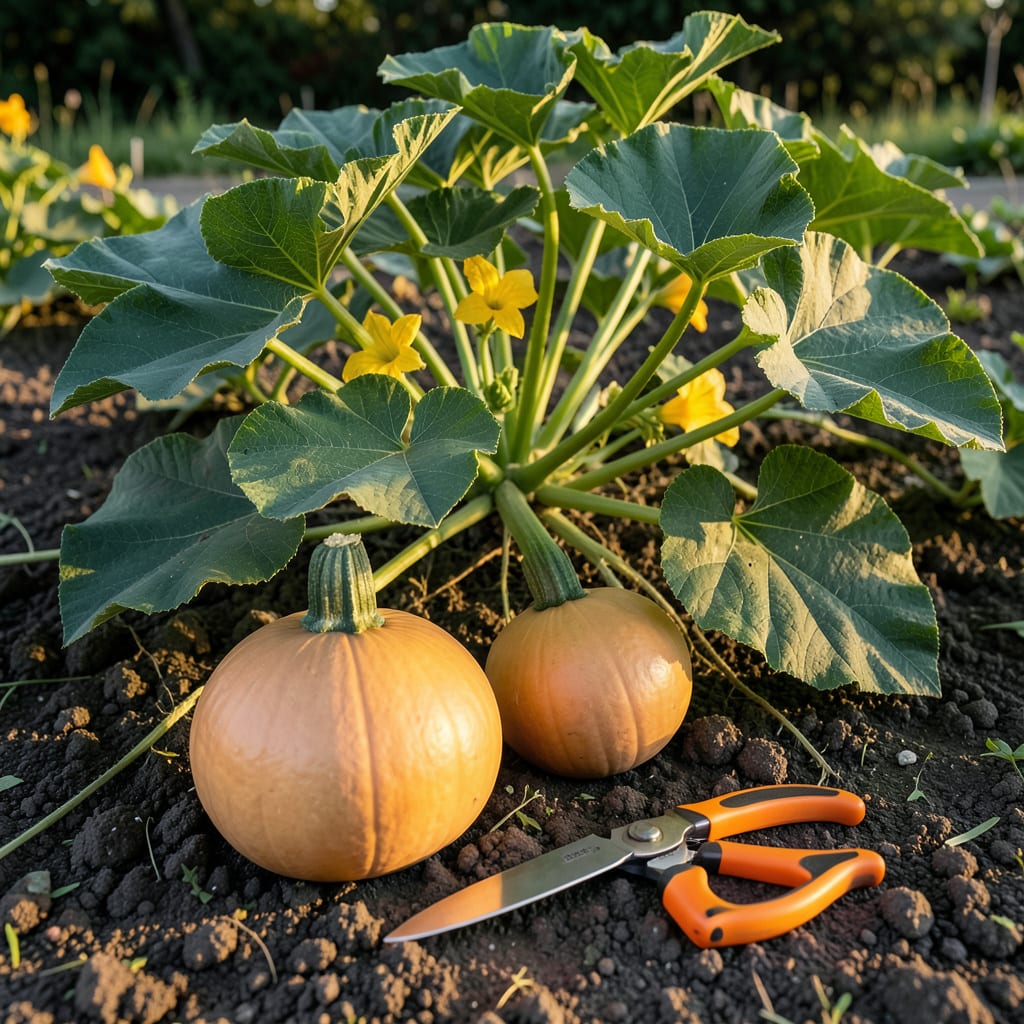
Timing your 🎃 Butternut Squash harvest perfectly can make or break your crop’s flavor and storage life. Pick too soon, and you’ll miss out on that rich, sweet taste we all love.
I’ll show you the key signs to watch for, from skin hardness to stem color, so you never guess wrong again. Let’s get this right together.


Getting the timing right for harvesting butternut squash is crucial for the best flavor and storage life. I always watch for visual cues that tell me the squash is at its peak.
First, check the rind color—it should be a deep, solid tan. Then, press your fingernail into the skin; if it resists puncturing, it’s ready. These signs ensure your squash will store well and taste delicious.☀️
| Harvest Sign | What to Look For |
|---|---|
| Rind Color | Deep tan, no green streaks |
| Rind Hardness | Cannot be punctured by fingernail |
| Stem Condition | Dry, brown, and woody |
| Vine Condition | Vines start to die back |
The stem condition is another big clue. A mature butternut squash will have a dry, brown stem. If it’s still green and flexible, the squash needs more time on the vine.
I also look at the vines themselves. When they begin to wither and turn brown, it’s a strong sign that the squash is ready. This happens as the plant redirects energy to the fruit for final ripening.
Another test I like is the tap test. Gently tap the squash—if it sounds hollow, it’s likely ready to harvest. This hollow sound indicates the seeds inside are fully developed and the flesh is dense.
Don’t forget to consider the weather forecast. It’s critical to harvest before the first frost, as cold temperatures can damage the squash. I always aim to get my crop in before the first hard frost hits.
If you’re unsure, leave the squash on the vine a little longer. It’s better to wait a few extra days than to pick it too early. An unripe butternut squash won’t store well and may lack sweetness.
When harvesting, use pruning shears or a sharp knife to cut the squash from the vine, leaving about 1-2 inches of stem attached. This helps prevent rot during storage.
Finally, avoid carrying the squash by the stem, as this can cause damage. Instead, support the body of the squash with one hand while cutting with the other.
With these tips, you’ll be confident in knowing exactly when your butternut squash is ready to come off the vine.🌱
Even experienced gardeners can make harvesting mistakes that affect their butternut squash quality. I’ve learned the hard way that timing and technique matter just as much as growing conditions.
One of the biggest errors is harvesting too early. If the rind is still soft or the stem is green, the squash won’t ripen properly off the vine. This leads to poor flavor and short storage life.☀️
⚠️ Warning: Never carry butternut squash by the stem. This can cause stem damage and lead to rot. Always support the body of the squash when moving it.
Another common mistake is ignoring weather forecasts. A light frost can damage squash, so I always check the local weather and harvest before the first cold snap. Even a single night of frost can ruin your crop.
Improper stem cutting is also a frequent issue. Using dull tools or cutting too close to the squash can create entry points for disease. I always use sharp pruning shears and leave 1-2 inches of stem intact.
Many gardeners also overlook the curing process. After harvesting, squash needs 1-2 weeks in a warm, dry place to harden the skin fully. Skipping this step reduces storage life significantly.
Finally, avoid stacking squash during storage. This can trap moisture and lead to spoilage. Instead, I space them out in a single layer with good airflow to keep them fresh longer.🌱
Proper storage is key to enjoying your butternut squash for months after harvest. I’ve found that curing first makes all the difference in extending shelf life and preserving flavor.
After harvesting, let the squash sit in a warm, dry place for about 1-2 weeks. This curing process hardens the skin and heals any minor cuts, preparing it for long-term storage.☀️
Once cured, store your squash in a cool, dark place with temperatures between 50-55°F. A basement or root cellar works perfectly. Avoid areas with high humidity, as this can cause rot.
I always
Finally, check your stored squash every few weeks for soft spots or mold. If you catch any issues early, you can remove the affected squash before it spreads to the others.🌱
A mature butternut squash has a deep, solid tan rind with no green streaks. If the color is still pale or patchy, leave it on the vine a little longer.
The stem should be dry, brown, and woody. If it’s still green and flexible, the squash needs more time to ripen on the vine.
No, harvest before the first frost to avoid damage. Cold temperatures can ruin the squash, so check the forecast and pick them as soon as possible.
Use sharp pruning shears and leave 1-2 inches of stem attached. This helps prevent rot during storage and keeps the squash fresh longer.
