
Beautiful Plants For Your Interior
Beautiful Plants For Your Interior
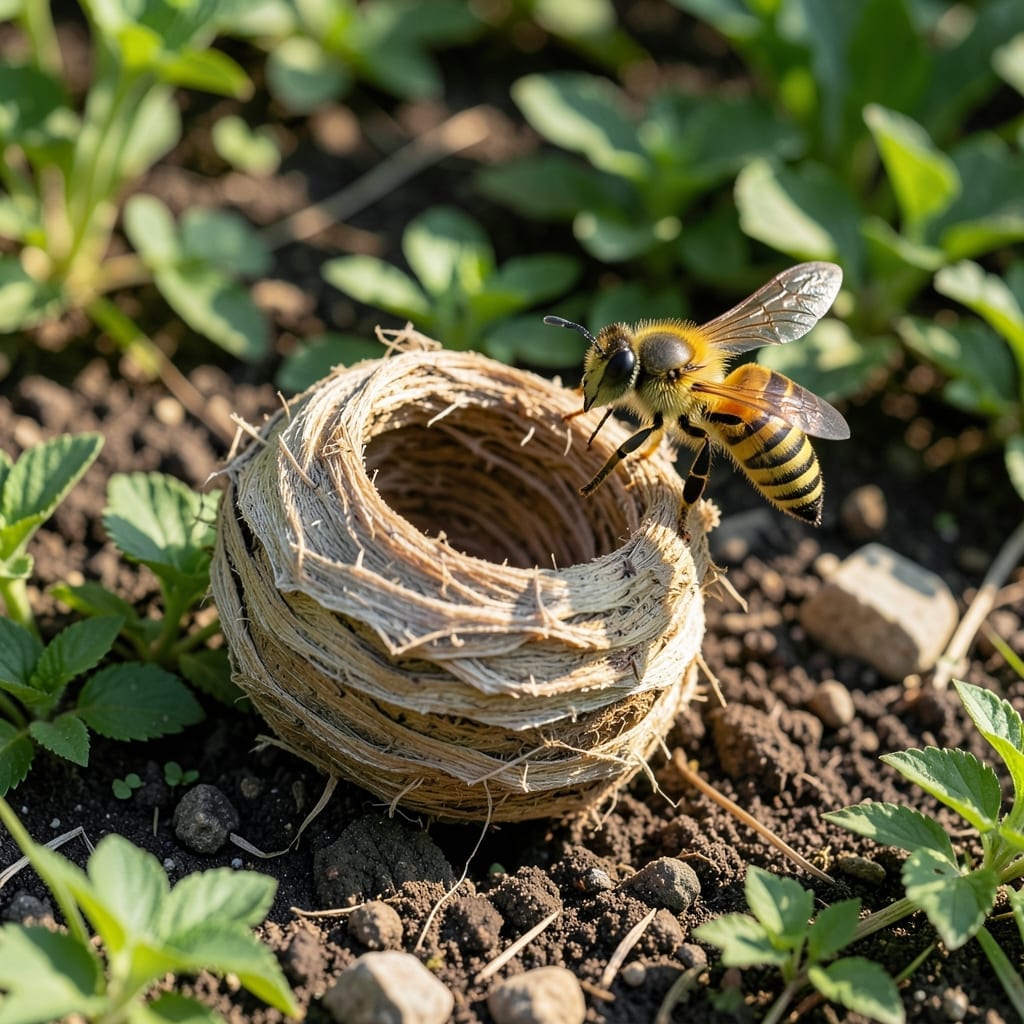
Yellowjackets are aggressive wasps with distinctive black and yellow stripes, known for their painful stings and social behavior in gardens and outdoor spaces.
I’ve found these insects are most active in late summer when their colonies peak in size. Unlike bees, they can sting repeatedly, which makes them particularly troublesome at picnics or near trash cans. Their nests often hide underground or in wall voids, so it’s crucial to watch for worker activity around potential entry points. ✨
💡 In This Article
The key to recognizing yellowjackets lies in their compact, 1/2 to 1-inch bodies with bold black and yellow banding. Unlike bees, they have a smooth, hairless exoskeleton and a distinct “waist” between their thorax and abdomen. Their wings fold lengthwise when at rest, creating a sleek profile that helps them navigate tight spaces.
These wasps build paper nests from chewed wood fibers mixed with saliva, typically hidden underground in abandoned burrows or aerial in shrubs. A mature colony can house 1,000-4,000 workers by late summer. The queen starts each nest alone in spring, laying eggs that hatch into sterile female workers who take over nest expansion and foraging.
🔥
Yellowjackets are scavengers and predators, feeding on proteins like insects, meat, and fish, plus sugary substances. This omnivorous diet drives their aggressive behavior around human food. Their stingers are smooth, unlike honeybees’, allowing them to sting repeatedly without dying. The venom contains acetylcholine, which intensifies pain.
What sets them apart from lookalike bees is their flight pattern—direct and rapid versus bees’ meandering. They’re also more aggressive when defending their nest, often bumping into intruders as a warning. In gardens, they’re most active during warm daylight hours, especially 10 AM to 4 PM. ✨
You’ll often find them hovering near trash cans, picnic areas, or fallen fruit. Their attraction to human food makes them particularly problematic at outdoor gatherings. Unlike bees that lose their stingers, yellowjackets can (and will) sting multiple times if provoked, delivering venom with each attack.
Their colonies are annual, with only new queens surviving winter to start fresh nests the following spring. This life cycle explains why yellowjacket populations seem to explode in late summer before disappearing with the first hard frost. 💫
Yellowjackets have smooth, hairless bodies with bright black and yellow stripes, while honeybees are fuzzy. Their flight is direct and fast, unlike bees’ wobbly path. They also lack the wide, flat hind legs bees use for pollen collection.
They’re attracted to proteins and sugars in human food. Their smooth stingers let them attack repeatedly, unlike bees. This defensive behavior peaks in late summer when colonies are largest and food is scarce.
Most nests are underground in abandoned burrows or aerial in shrubs. Some species nest in wall voids or attics. A mature nest can house 1,000-4,000 workers by late summer.
Wait until dusk or dawn when they’re less active. Use commercial wasp spray or call a professional for large nests. Never use flammable liquids—it’s dangerous and often illegal.