
Beautiful Plants For Your Interior
Beautiful Plants For Your Interior
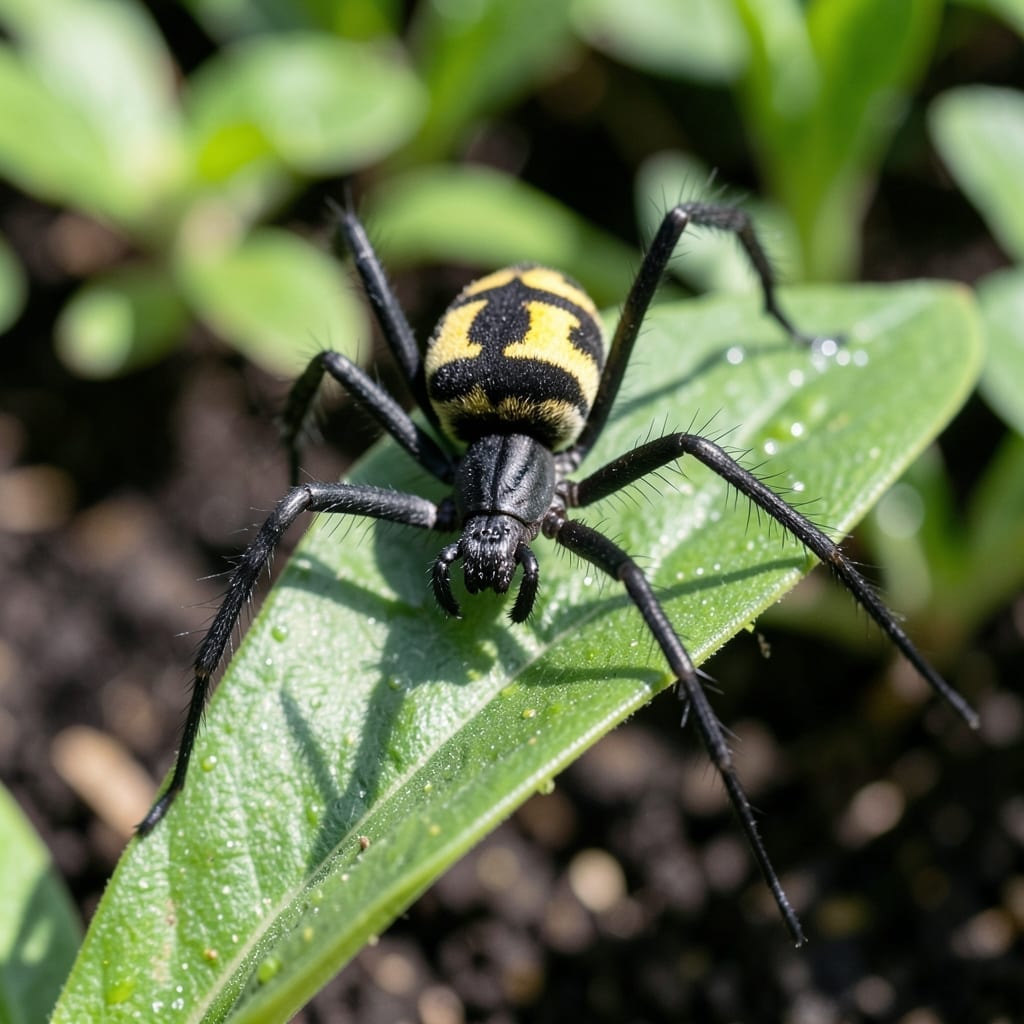
I first spotted a black and yellow argiope spider in my garden last summer, weaving its zigzag web between the tomato plants. At first glance, it looks intimidating with its bold yellow and black markings, but I quickly learned this visitor is more friend than foe.
These striking spiders are actually garden allies, preying on pests like flies, bees, and even other spiders that might harm your plants. Their presence often means your garden has a healthy ecosystem, and they rarely bother humans unless provoked.
If their webs become a nuisance or you need to relocate them, there are simple, natural ways to encourage them to move on without harm. The key is understanding their behavior rather than reaching for chemicals.
Between you and me, I now leave them be—they’re doing the pest control work for me, and their intricate webs are a fascinating sight in the morning dew.
The presence of the Argiope aurantia, commonly known as the black and yellow garden spider, is often tied to specific environmental and ecological factors. Understanding why they appear can help you manage their presence more effectively. Below are the primary reasons these spiders thrive in certain areas.
Black and yellow argiope spiders are attracted to areas rich in flying insects, their primary prey. Gardens, meadows, and open fields with high populations of bees, wasps, flies, and butterflies provide an ideal hunting ground. Their intricate webs are strategically built to intercept these insects mid-flight.
These spiders prefer sunny, open spaces with minimal wind interference. Tall grasses, shrubs, and garden structures offer the perfect anchor points for their large, circular webs. Areas with partial shade and moisture, such as near water sources, also create a favorable microclimate for their survival.
Human-altered landscapes, such as gardens, farms, and even urban green spaces, often inadvertently create ideal conditions for Argiope aurantia. Overwatering plants or leaving outdoor lights on at night can attract insects, which in turn draw these spiders. Additionally, undisturbed corners of sheds, fences, or porches provide safe spots for web construction.
The absence of natural predators, such as birds or larger spiders, allows black and yellow argiope populations to flourish. In ecosystems where their predators are scarce or where human activity disrupts the food chain, these spiders can proliferate rapidly.
If Argiope aurantia spiders are weaving webs in unwanted areas, these targeted fixes will help you reclaim your space without harming the ecosystem. Below are practical, humane solutions mapped to common causes, plus prevention tips to keep them from returning.
Spiders build webs where insects thrive. Remove piles of wood, leaf litter, or stored items near your home or garden. Trim tall grass and weeds, and keep outdoor furniture clean. This reduces the food supply, making the area less appealing.
Dense vegetation provides perfect anchor points for webs. Prune bushes, shrubs, and garden plants to limit hiding spots. Focus on areas near doorways, windows, and walkways where webs are most noticeable or bothersome.
Outdoor lights attract moths and other insects, which in turn draw orb-weaver spiders. Replace white bulbs with yellow bug lights or sodium vapor lamps, which are less attractive to insects. Motion-sensor lights can also reduce constant insect activity.
Check for gaps around windows, doors, and vents. Use weather stripping or caulk to seal entry points. Install fine mesh screens on windows and vents to block spiders while allowing airflow.
Prevention Tips:
No, their venom is weak and not medically significant. Bites are rare and may cause minor localized pain or itching, similar to a bee sting. They’re actually beneficial, controlling garden pests naturally
Females measure 1 to 3 inches across, while males are much smaller (0.2 to 0.3 inches). The striking yellow and black pattern makes them appear even larger in their webs
They primarily consume flying insects like flies, bees, and wasps. Their strong webs can even trap small butterflies or grasshoppers. This makes them excellent natural pest control in gardens
They rebuild their webs daily at dawn, then wait for prey during the day. You’ll often spot them in late summer and early fall when populations peak. They’re most visible in the morning with dew on their webs