
Beautiful Plants For Your Interior
Beautiful Plants For Your Interior
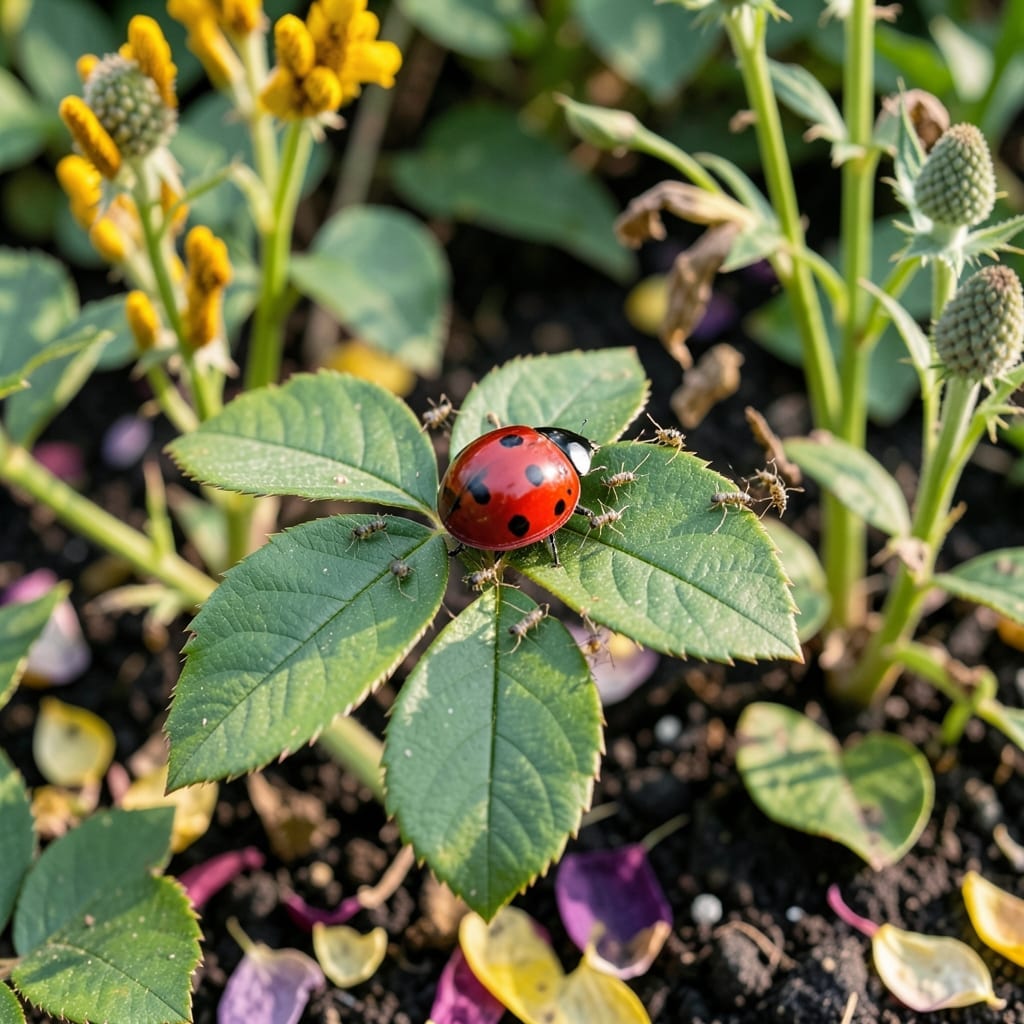
Ladybirds thrive in diverse habitats like gardens, meadows, forests, and farms, preferring areas with abundant plants, aphids to feed on, and sheltered spots for overwintering.
I’ve noticed these beneficial insects gravitate toward spots with dense vegetation, as it provides both food sources and hiding places from predators. Their preference for aphid-rich areas explains why they’re so common in agricultural settings where pest outbreaks occur. 🔥 Sheltered locations like leaf litter or tree bark help them survive colder months when food becomes scarce.
💡 In This Article
Ladybirds seek out ecosystems with dense vegetation because it provides both food and protection. They’re particularly drawn to areas with high aphid populations, as a single ladybird can consume up to 5,000 aphids in its lifetime. 🌟
Forested areas offer ideal conditions with abundant leaf cover and diverse plant life. The canopy layer provides shelter from rain while the understory offers hunting grounds. Temperature and humidity levels between 60-75°F and 40-70% respectively create perfect breeding conditions.
In agricultural settings, ladybirds thrive in crop fields with integrated pest management. The presence of leguminous plants like clover or alfalfa supports their lifecycle by attracting prey insects. 💫 These environments often have the microclimates ladybirds prefer.
Urban gardens with native plants and reduced pesticide use become ladybird havens. The diversity of plant species ensures continuous food supply across seasons. Even small container gardens on balconies can support populations if they include aphid-attracting plants.
Coastal regions with mild winters allow some species to remain active year-round. The moderating ocean influence prevents extreme temperature swings that would otherwise trigger overwintering behavior. This extends their active hunting period significantly. ✨
Ladybirds love plants that attract aphids, their primary food source. Dill, fennel, marigolds, and yarrow are top choices. These plants provide both food and shelter for them.
Yes! Urban gardens with native plants and reduced pesticide use can become ladybird havens. Even small container gardens on balconies work if they include aphid-attracting plants.
They seek sheltered spots like leaf litter, tree bark, or man-made houses. These provide protection from cold and predators during overwintering.
Farms with integrated pest management offer ideal conditions. Leguminous plants like clover attract aphids, creating abundant food sources for ladybirds.