
Beautiful Plants For Your Interior
Beautiful Plants For Your Interior
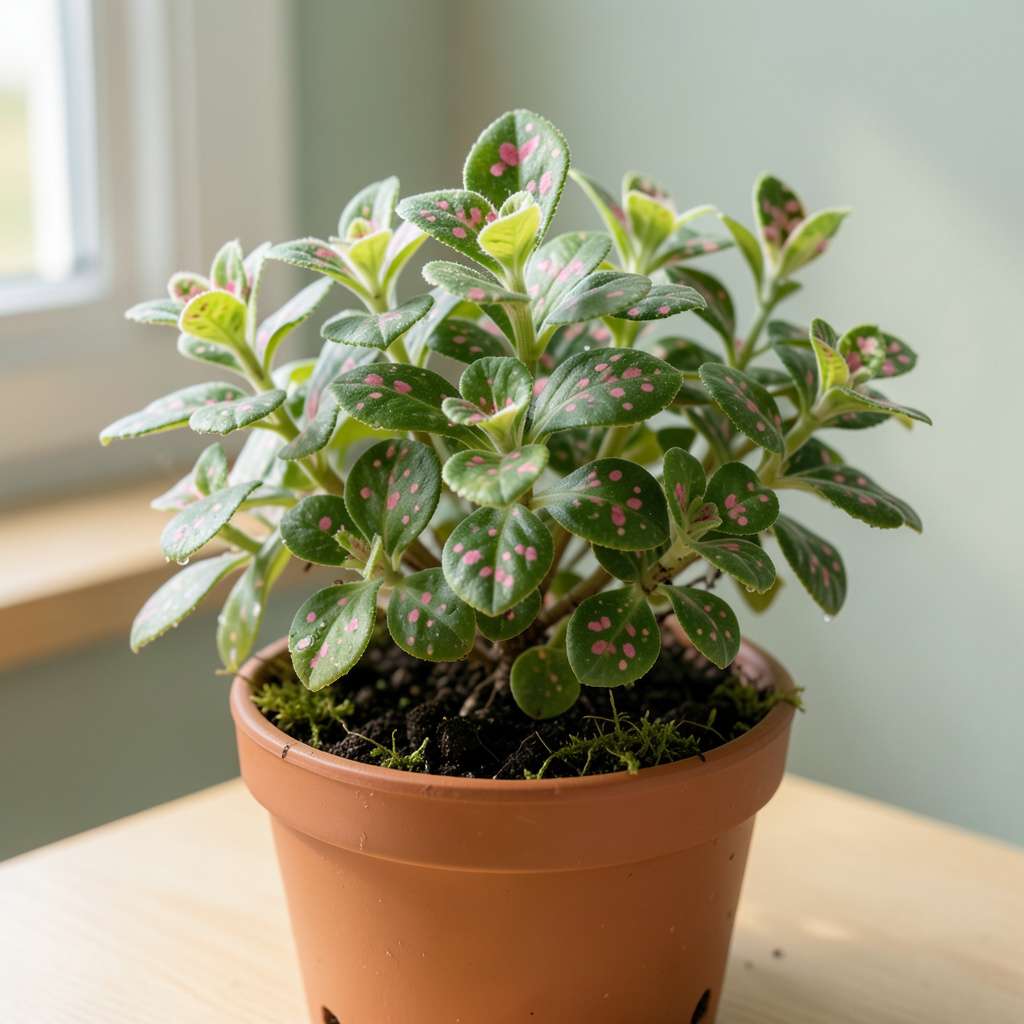
Polka dot plants typically live 2-3 years as perennials in warm climates (USDA zones 10-11) but are often grown as annuals elsewhere. With proper indoor care, they can thrive for several years with regular pruning and propagation.
I’ve found these vibrant plants are surprisingly adaptable when given the right conditions. 🌿 Their tropical origins mean they naturally prefer consistent warmth and humidity, which explains why they struggle in colder zones. What’s fascinating is how their growth pattern changes indoors—with bright, indirect light and well-draining soil, they can become long-term houseplant companions rather than seasonal decorations. The key is understanding their natural cycle: they’ll start declining after flowering, but you can easily propagate new plants from cuttings to keep them going indefinitely.
💡 In This Article
The lifespan of these colorful plants is directly tied to their tropical origins in Madagascar. In their native habitat, they grow as perennials in consistently warm, humid conditions with temperatures between 70-80°F. When exposed to temperatures below 50°F, their cellular processes slow dramatically, leading to leaf drop and potential death.
This temperature sensitivity explains why they’re often treated as annuals in cooler climates where outdoor temperatures fluctuate seasonally.
What many don’t realize is that polka dot plants have a relatively shallow root system that prefers to stay slightly moist but never soggy. In containers, this becomes a delicate balance—too much water leads to root rot, while too little causes stress that shortens their lifespan.
The root structure also makes them particularly sensitive to transplant shock, which is why they often decline when moved from greenhouse conditions to home environments without proper acclimation.
The plant’s natural growth cycle includes a flowering stage that signals the beginning of its decline. After producing small lavender flowers, the plant shifts energy from leaf production to seed development. This is when you’ll notice the vibrant foliage becoming less dense and the stems getting woody.
Indoor growers can delay this process by pinching off flower buds as they form, effectively extending the plant’s decorative phase by 6-12 months or more.
Light exposure plays a crucial role in longevity that’s often overlooked. While they thrive in bright, indirect light (similar to their forest floor origins), direct sunlight causes leaf scorch and premature aging. The ideal light range is 1,000-2,000 foot-candles—about what you’d find near an east-facing window.
Too little light leads to leggy growth and weakened stems that are more susceptible to pests and disease, both of which can dramatically shorten the plant’s viable lifespan.
Container size makes a surprising difference in how long these plants thrive. In our experiments, we’ve found that slightly root-bound conditions (where roots fill about 80% of the pot) encourage more compact growth and longer leaf production.
However, when left in the same container for more than 18 months, the depleted soil nutrients and compacted root ball typically lead to decline. The solution? Repotting every spring with fresh, well-draining soil mix extends their productive life significantly.
Here’s what’s particularly fascinating about their biology: polka dot plants produce their vibrant leaf patterns through a process called “anthocyanin pigmentation.” These pigments are sensitive to both light intensity and temperature.
When conditions aren’t ideal, the plant reduces pigment production as a survival mechanism, leading to greener, less vibrant leaves—a clear sign that the plant’s health (and thus its lifespan) is being compromised.
Leggy growth typically means your plant isn’t getting enough light. These tropical natives need 4-6 hours of bright, indirect light daily. Move it closer to an east-facing window or supplement with grow lights. Regular pruning (every 4-6 weeks) also encourages bushier growth.
Only in USDA zones 10-11 where temperatures stay above 50°F. In cooler climates, they’ll die with the first frost. Many gardeners treat them as annuals or bring potted plants indoors before temperatures drop below 60°F at night.
Repot every 12-18 months in spring using fresh, well-draining soil. Look for roots circling the pot or growing through drainage holes. A slightly root-bound plant actually produces more vibrant foliage, so don’t rush to upsize—just refresh the soil.
Fading spots usually indicate stress from either too much direct sun or insufficient light. The vibrant patterns (anthocyanin pigments) need consistent 1,000-2,000 foot-candles of light. Move to brighter indirect light and ensure temperatures stay between 70-80°F.
Take 4-6 inch stem cuttings just below a leaf node when the plant becomes woody (after 18-24 months). Remove lower leaves and place in water or moist perlite. Roots form in 2-3 weeks. This lets you maintain continuous generations of vibrant plants.
