
Beautiful Plants For Your Interior
Beautiful Plants For Your Interior
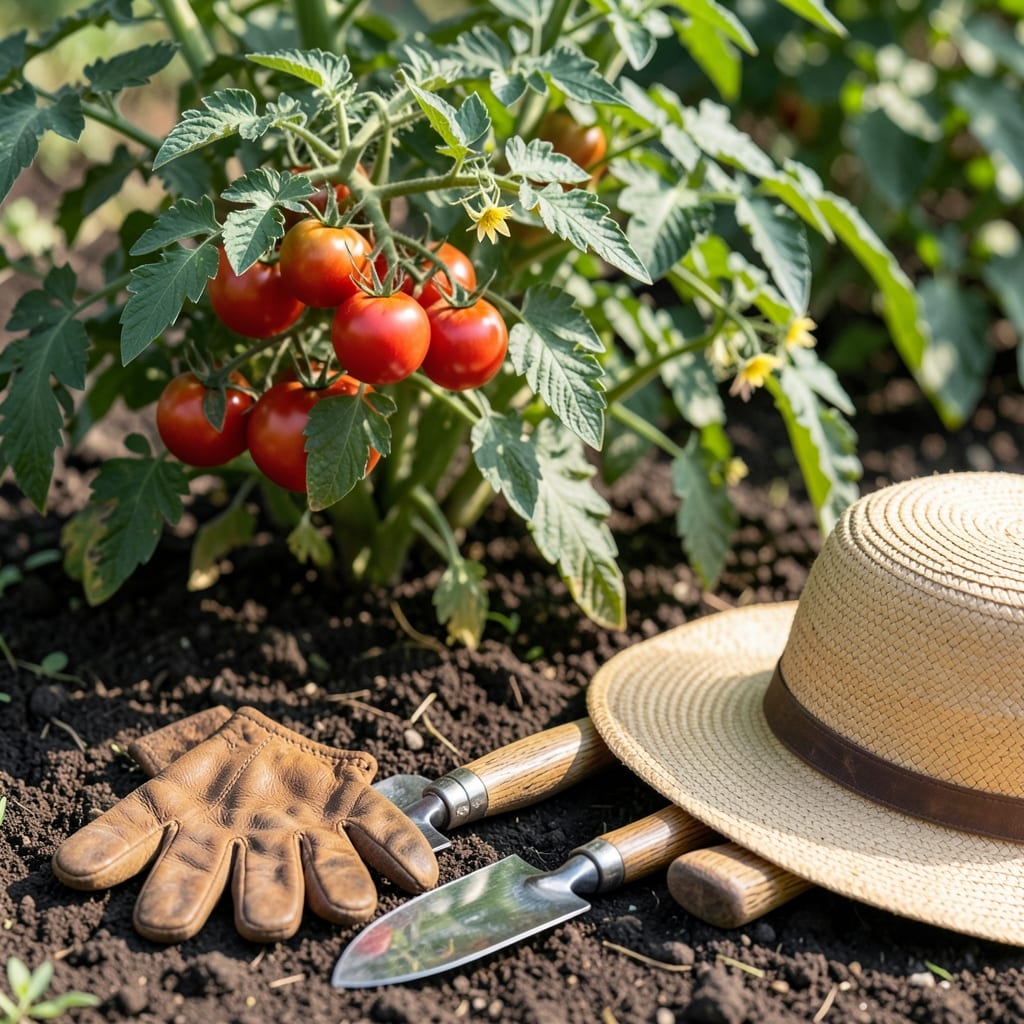
A gardener is someone who cultivates and maintains plants, flowers, or vegetables in gardens, using knowledge of soil, watering, and plant care to foster growth and health.
I see gardeners as the architects of living spaces, transforming bare soil into thriving ecosystems. Seasonal planning and pest management often separate the hobbyists from the experts. What excites me most is how they blend science with artistry to create beauty and bounty. 🌟
From backyard plots to community gardens, their work nourishes both the earth and the people who enjoy its fruits.
💡 In This Article
The daily work starts with soil preparation, which often involves testing pH levels (ideal range: 6.0-7.0 for most vegetables) and amending with organic matter like compost. This creates the foundation for healthy root systems. A gardener might spend 2-3 hours daily checking moisture levels, as overwatering can drown roots while underwatering stresses plants. 🔥
Seasonal tasks shift dramatically: spring means planting seedlings at precise depths (1/4 inch for lettuce, 1 inch for beans), while fall focuses on pruning perennials to encourage next year’s growth. They also rotate crops annually to prevent soil depletion, a technique used for centuries by farmers worldwide.
The timing is everything—plant tomatoes too early and frost kills them; too late and they won’t mature before summer’s end. ✨
Plant care goes beyond watering. Professional gardeners monitor for pests like aphids (tiny green insects that suck plant juices) and diseases such as powdery mildew (a white fungal coating on leaves). They might use neem oil as a natural pesticide or introduce beneficial insects like ladybugs.
Pruning is another key skill—removing dead branches improves air circulation, which reduces fungal risks. 🌟
Maintenance routines include mulching to retain moisture and suppress weeds, which can rob plants of nutrients. A 2-3 inch layer of mulch (straw, wood chips) works best. They also stake tall plants like sunflowers to prevent wind damage and deadhead flowers to encourage continuous blooming. These small, consistent actions keep gardens thriving year-round. ⚡
What most don’t realize is the observation required. A gardener notes subtle changes—yellowing leaves (often nitrogen deficiency), wilting in afternoon heat (normal for some plants like squash), or chewed edges (sign of caterpillars). This attention to detail separates good gardens from extraordinary ones. 💫
They check soil moisture, prune plants, and monitor for pests daily. 2-3 hours of hands-on care keeps gardens thriving. Seasonal tasks like planting and harvesting vary throughout the year.
Not at all! Start with easy plants like basil or marigolds. Learn by observing your garden’s needs, not innate talent. Most skills develop through practice and patience.
Overwatering is the top culprit. Many plants need soil to dry slightly between waterings. 1 inch of water per week is often enough for most gardens.
Container gardening with herbs, lettuce, or dwarf tomatoes thrives on balconies. Even windowsills can support small potted plants with proper light.
Test texture by squeezing a handful—loamy soil crumbles easily. Look for earthworms and rich color. pH 6.0-7.0 works for most vegetables.