
Beautiful Plants For Your Interior
Beautiful Plants For Your Interior
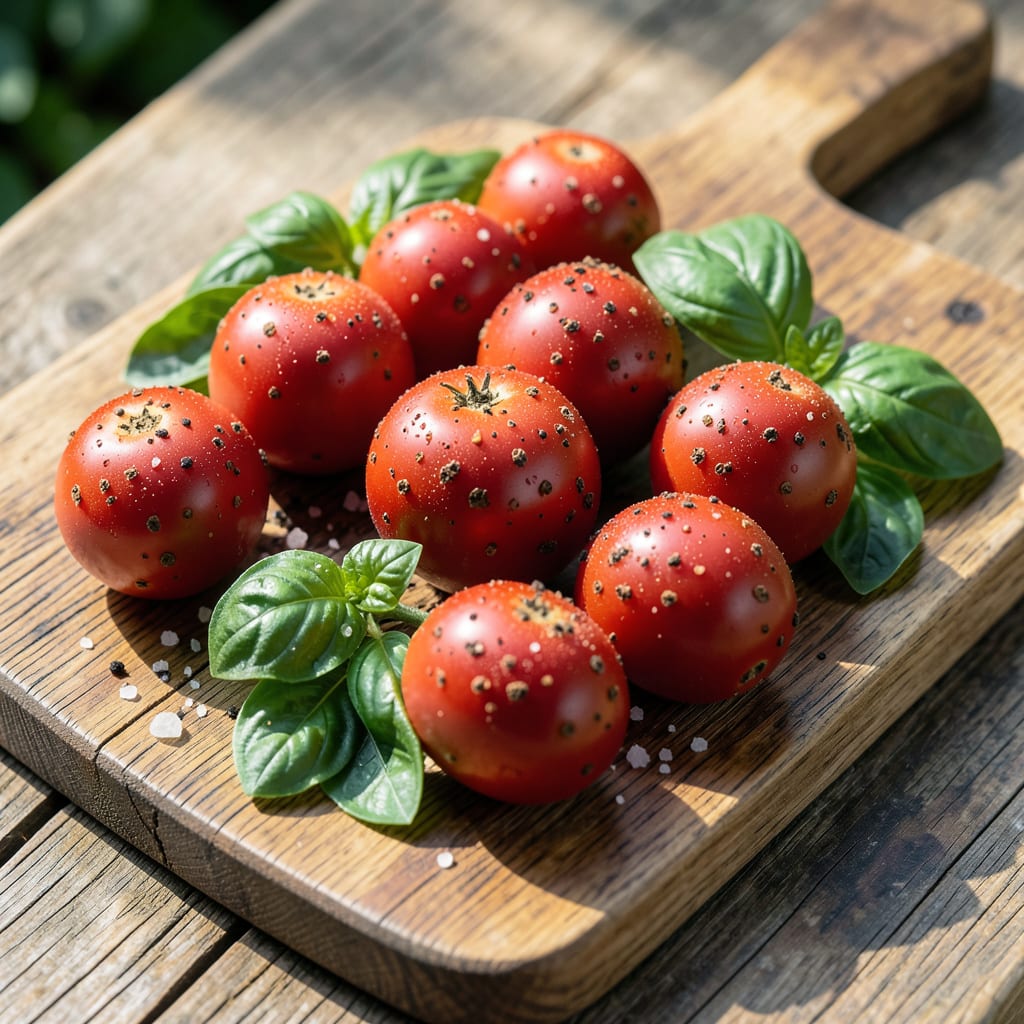
Those tiny brown spots on your tomatoes aren’t just cosmetic. I’ve seen healthy crops turn to heartbreak overnight when ignored.
Early warning signs often point to fungal issues, pest damage, or environmental stress. The good news? Most problems are fixable if caught early with simple organic solutions.
You’ll learn to diagnose the difference between disease, insects, or water stress—and most fixes take under an hour to apply.
No chemicals needed. Just observation, quick action, and a little patience to save your harvest.
Those tiny brown spots on your tomatoes aren’t just unsightly—they’re your plant’s way of signaling distress. Here’s a breakdown of the most common causes, backed by science and actionable insights.
Fungi like Alternaria solani (early blight) or Septoria lycopersici thrive in warm, wet conditions. They produce spores that land on leaves and fruit, creating small, dark lesions. These spots often have concentric rings and may spread rapidly if left unchecked. Action: Improve airflow, avoid overhead watering, and apply copper fungicides early.
Blossom end rot—a classic sign of calcium deficiency—can manifest as tiny brown spots that expand into sunken, leathery patches. Calcium is critical for cell wall stability, and its absence disrupts growth. Action: Test soil pH (aim for 6.0–6.8) and amend with lime or calcium nitrate. Water consistently to prevent fluctuations.
Pests like spider mites, aphids, or stink bugs pierce tomato tissues, leaving behind small, brown stipples or scars. Their feeding disrupts cells and can introduce secondary infections. Action: Inspect undersides of leaves regularly. Use neem oil or insecticidal soap for organic control.
Extreme heat, drought, or sunscald can cause localized browning, especially on exposed fruit. High temperatures accelerate transpiration, leading to moisture loss and cell death. Action: Provide shade cloth during heatwaves and mulch to retain soil moisture.
Excess nitrogen or deficiencies in potassium or magnesium can trigger irregular brown spotting. Nitrogen overload promotes leafy growth at the expense of fruit health. Action: Balance fertilization with a soil test and use a complete organic fertilizer.
Dealing with tiny brown spots on your tomatoes doesn’t have to be frustrating. Below are targeted solutions based on the most common causes, along with prevention tips to keep your plants healthy.
If the spots are caused by early blight or septoria leaf spot, prune affected leaves immediately to prevent spreading. Dispose of them in the trash—not the compost. Apply a copper-based fungicide or a homemade mix of baking soda and water (1 tbsp per gallon) every 7–10 days. Prevention tip: 💡 Space plants for airflow and water at the base to keep foliage dry.
For stink bugs, aphids, or spider mites, spray plants with neem oil or insecticidal soap, focusing on the undersides of leaves. Introduce beneficial insects like ladybugs or lacewings for long-term control. Prevention tip: 🎯 Rotate crops yearly and use row covers to deter pests early.
Yellowing leaves with brown spots often signal a calcium or potassium deficit. Amend soil with crushed eggshells (for calcium) or wood ash (for potassium). A balanced organic fertilizer can also restore nutrients. Prevention tip: ✨ Test soil annually and adjust amendments before planting.
If spots stem from sunscald or water stress, provide afternoon shade with a cloth cover and ensure consistent watering (1–2 inches per week). Mulch around plants to retain moisture. Prevention tip: 🌡️ Use drip irrigation to avoid wetting leaves and monitor soil moisture regularly.
Act quickly at the first sign of spots, and your tomatoes will bounce back stronger!
No, the tomatoes are still safe if the spots are small and limited. Simply cut away the affected areas. Always wash produce thoroughly before eating to remove any potential contaminants.
Organic treatments like neem oil or fungicides show results in 7-14 days. For environmental fixes like shade or watering adjustments, you may see improvement within 3-5 days. Consistency is key for lasting results.
Rotate crops, test soil annually, and space plants 2-3 feet apart for airflow. Mulching and drip irrigation also reduce future risks.
Differences in watering, sunlight exposure, or microclimates in your garden cause this. Check if affected plants are in low spots or receive uneven water.
