
Beautiful Plants For Your Interior
Beautiful Plants For Your Interior
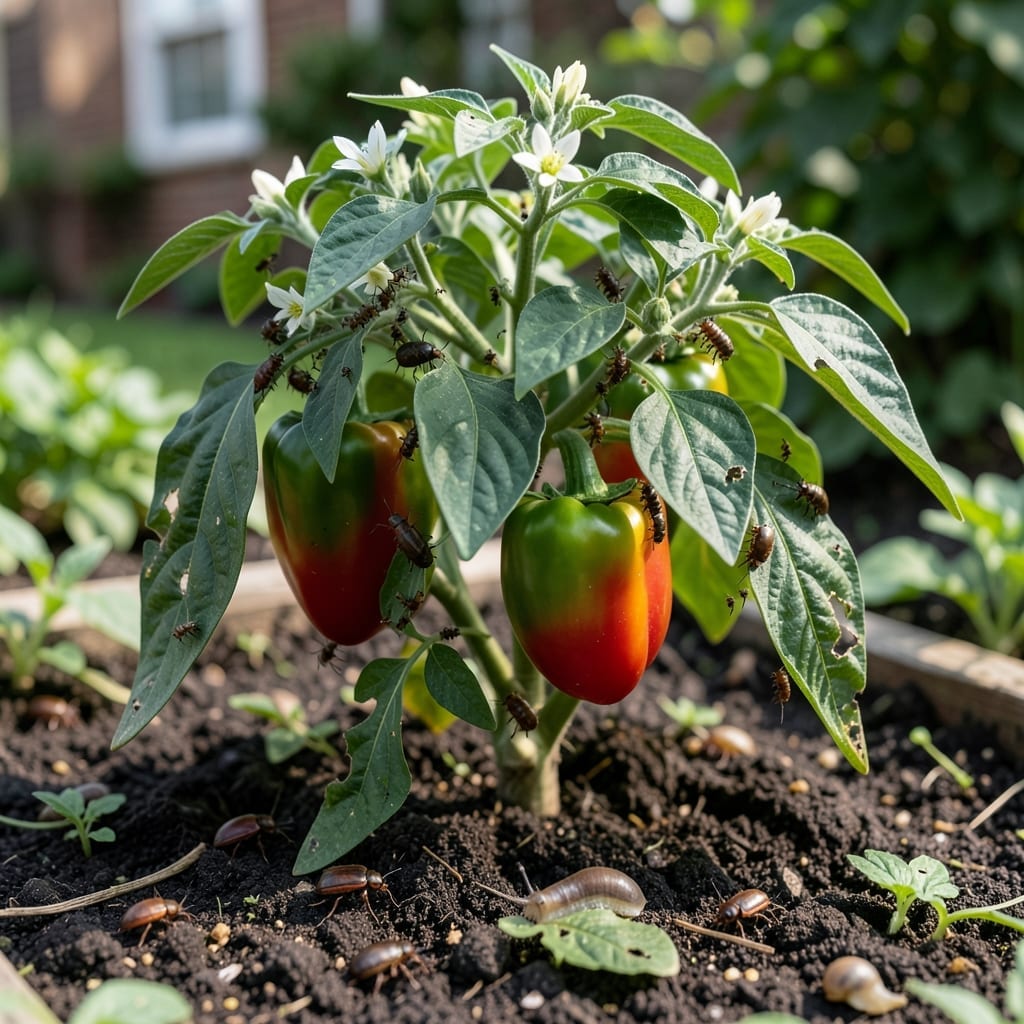
Nothing ruins a pepper crop faster than watching leaves disappear overnight. I’ve lost entire plants to pests that seemed to appear out of nowhere, leaving only bare stems and frustration.
Culprits range from tiny aphids and hungry caterpillars to rabbits and deer that see your garden as a buffet. Each leaves distinct damage, so identifying the chewed edges or hole patterns helps pinpoint the perpetrator.
Once you know what you’re dealing with, solutions become straightforward. Organic sprays, physical barriers, or companion plants can turn the tide without harsh chemicals.
Your peppers can bounce back with the right approach, often within a week or two. Here’s how to protect them for good.
Pepper plants are a favorite snack for a variety of pests, and understanding why they target your leaves is the first step to stopping them. Here’s a breakdown of the most common causes, each with its own telltale signs and scientific drivers.
Many insects are naturally drawn to pepper leaves due to their tender texture and nutrient-rich sap. Aphids, whiteflies, and beetles (like the Colorado potato beetle) feed on the foliage, using their piercing mouthparts to extract fluids. This weakens the plant and can lead to stunted growth. Caterpillars, such as hornworms, are also major offenders, devouring entire leaves overnight. These pests thrive in warm, dry conditions, making pepper plants an easy target during peak growing seasons.
Spider mites are tiny but mighty destructors. These arachnids scrape the surface of leaves to feed on plant cells, leaving behind a stippled or bronzed appearance. They reproduce rapidly in hot, dry weather, often spreading unseen until damage is severe. Their small size makes them hard to spot, but fine webbing on the undersides of leaves is a dead giveaway.
It’s not just bugs—larger animals can also be culprits. Deer, rabbits, and even groundhogs may nibble on pepper leaves, especially in rural or suburban gardens. These animals are attracted to the succulent foliage and can strip a plant bare in a single night. Fencing or repellents are often necessary to deter them.
While not direct “eaters,” certain pathogens can cause leaf damage that mimics pest activity. Fungal diseases like powdery mildew or bacterial leaf spot create lesions, holes, or discoloration. These issues often arise from overwatering or poor air circulation, stressing the plant and making it more vulnerable to opportunistic pests.
Once you’ve spotted the culprits munching on your pepper plant leaves, act fast to protect your garden. Below are targeted fixes for each common pest, along with prevention tips to keep them from coming back.
Use a strong spray of water from a hose to dislodge aphids from the leaves. For heavier infestations, apply insecticidal soap or neem oil every 5–7 days until they’re gone. Prevention tip: 💡 Encourage natural predators like ladybugs by planting companion flowers such as marigolds or alyssum nearby.
Manually remove beetles (like flea beetles or Colorado potato beetles) from plants and drop them into soapy water. For larger gardens, use floating row covers to block adults from laying eggs. Prevention tip: 🌡️ Rotate crops yearly to disrupt beetle life cycles and reduce overwintering populations in the soil.
Place beer traps (shallow dishes filled with beer) near plants to lure and drown these pests. Alternatively, sprinkle diatomaceous earth or crushed eggshells around the base of plants to create a sharp barrier. Prevention tip: ✨ Water plants in the morning so soil is dry by evening, as slugs prefer damp conditions.
Spider mites thrive in dry conditions. Mist plants regularly or use a humidity tray to deter them. For active infestations, spray leaves with neem oil or water mixed with a few drops of dish soap. Prevention tip: 🎯 Keep plants well-hydrated and avoid over-fertilizing, which can attract mites.
Hang yellow sticky traps near pepper plants to catch adult whiteflies. For a natural spray, mix 1 part rubbing alcohol with 4 parts water and apply to leaf undersides. Prevention tip: 🌿 Introduce parasitic wasps or use reflective mulch to disorient whiteflies.
Check for telltale signs: jagged holes suggest caterpillars, stippled leaves indicate mites, and chewed edges often mean beetles or slugs. Look under leaves for pests or webbing.
Yes! Use neem oil or insecticidal soap for insects, beer traps for slugs, or floating row covers for beetles. Companion planting with marigolds helps deter many pests.
These animals love tender pepper leaves and can devastate plants quickly. Use 8-foot fencing for deer or chicken wire barriers for rabbits to keep them out.
Peppers have soft, nutrient-rich leaves that attract many insects and animals. Warm weather and garden location can also increase vulnerability. Regular inspection helps catch problems early.