
Beautiful Plants For Your Interior
Beautiful Plants For Your Interior
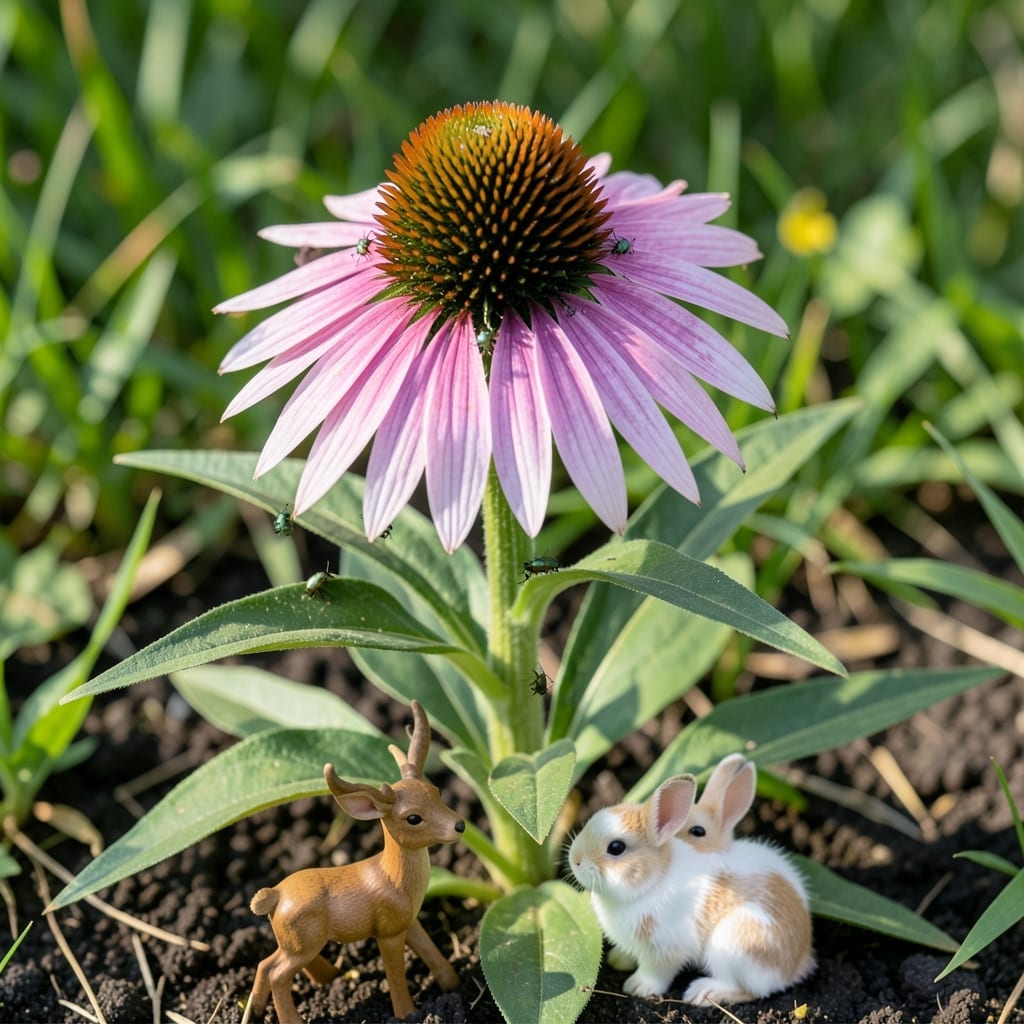
Nothing ruins a summer garden faster than watching deer munch through your coneflowers overnight. 🌿 I’ve lost entire patches to rabbits, Japanese beetles, and even hungry groundhogs—each leaving their own telltale damage.
The solution isn’t chemicals but understanding what’s eating them. Rabbits leave clean cuts at the base, while beetles skeletonize leaves. Organic methods work best, and they’re safer for pollinators too.
You’ll protect those purple blooms with simple barriers, companion plants, or natural sprays. One weekend of setup can save your garden all season.
Works for backyard gardens, wildflower patches, or even container coneflowers on the patio. Here’s how to outsmart the pests.
Understanding why your coneflowers are being devoured starts with identifying the root causes. Below are the primary reasons, backed by science and gardening expertise.
Coneflowers (Echinacea spp.) produce nectar and pollen, which naturally attract herbivorous insects like Japanese beetles and aphids. These pests feed on the leaves, petals, and stems, often leaving skeletal damage. The plant’s vibrant colors and scent act as a beacon, signaling a food source to insects.
Deer, rabbits, and groundhogs are common mammalian culprits. Without fencing or repellents, these animals will graze on coneflowers, especially in early growth stages when foliage is tender. Urban and suburban gardens are particularly vulnerable due to limited natural predators.
Weak or diseased coneflowers are more susceptible to pest attacks. Fungal infections like powdery mildew stress the plant, reducing its ability to deter pests. Overwatering or poor air circulation can create ideal conditions for both disease and secondary pest infestations.
A garden lacking biodiversity often sees explosive pest populations. Without natural predators (e.g., ladybugs, lacewings, or birds), pest species like leafhoppers and spider mites thrive. Monoculture plantings of coneflowers can exacerbate this issue by providing an unlimited food supply.
Keeping your coneflowers safe from hungry pests is easier than you think. Below are targeted solutions for the most common culprits, along with tips to keep them from coming back.
Spray a strong stream of water from a hose to dislodge these tiny pests. For stubborn infestations, apply insecticidal soap or neem oil every 5–7 days until they’re gone. Prevention tip: 💡 Encourage ladybugs and lacewings—natural predators—by planting companion flowers like marigolds or yarrow.
Install 8-foot-tall fencing for deer or 2-foot-tall chicken wire for rabbits around your garden. For a quicker fix, use commercial repellents with putrescent eggs or hot pepper. Prevention tip: 🌿 Plant deer-resistant species like lavender or catmint nearby to deter them naturally.
Lay down beer traps (a shallow dish filled with beer) or copper tape around plant bases. Handpick pests at dawn or dusk when they’re most active. Prevention tip: ✨ Keep the garden tidy—remove debris and mulch where they hide.
Drop beetles into soapy water in the early morning when they’re sluggish. Avoid pheromone traps, as they can attract more beetles. Prevention tip: 🎯 Apply kaolin clay as a protective barrier on leaves.
With these steps, your coneflowers can thrive without becoming a buffet!
Yes, deer often graze on coneflowers, especially young plants. Install 8-foot fencing or use repellents with putrescent eggs to protect them.
Japanese beetles and aphids are the worst offenders, skeletonizing leaves. Use neem oil or handpick beetles in the morning for best results.
Rabbits clip stems cleanly at the base. Prevent damage with 2-foot chicken wire or plant barriers.
Yes, slugs and snails target coneflowers in damp conditions. Try beer traps or copper tape for organic control.