
Beautiful Plants For Your Interior
Beautiful Plants For Your Interior
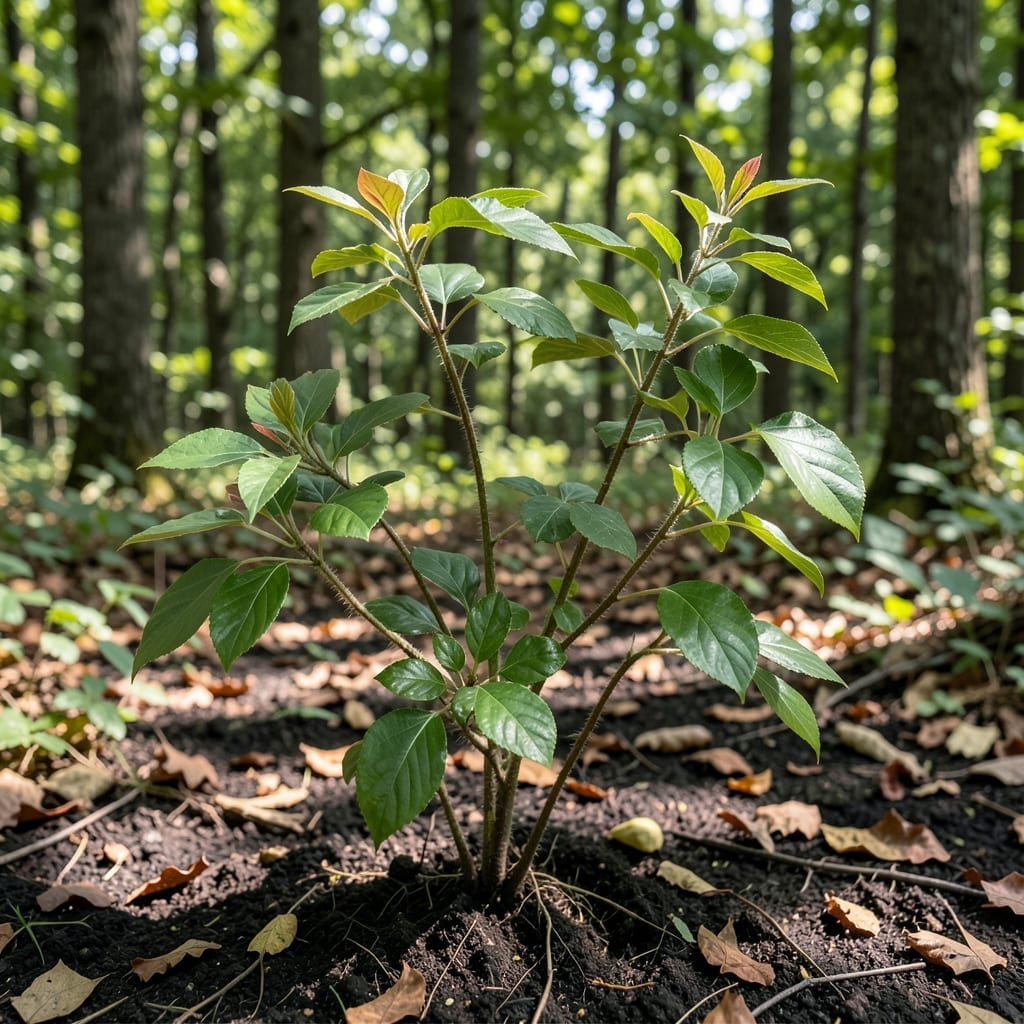
I learned the hard way that young poison ivy doesn’t look like the leafy monster from photos. It starts as tender red stems with glossy leaves that almost seem harmless.
The classic “leaves of three” pattern is there, but the edges might be smooth or slightly toothed, not jagged. New growth often has a bronze or reddish tint that fades to green as it matures.
Confession: I once mistook it for wild strawberry plants. The giveaway? Poison ivy’s middle leaflet has a longer stem than the two side ones, and the vines grow low to the ground at first.
Spot these early and you can remove them safely before they spread. Always wear gloves and long sleeves—this isn’t a plant you want to get familiar with.
Understanding why young poison ivy (Toxicodendron radicans) looks the way it does helps you spot it early and avoid its irritating effects. Here’s the science behind its appearance:
Young poison ivy often has reddish stems and tender, glossy leaves to blend into its environment. This coloration mimics other harmless seedlings, reducing the chance of being eaten by herbivores. The leaves may start smooth-edged but develop their signature toothed edges as they mature.
In its early stages, poison ivy prioritizes fast growth to outcompete nearby plants for sunlight. This leads to clusters of three leaflets (the classic “leaves of three” pattern) appearing quickly. The leaves are often smaller and thinner than mature ones, making them easy to overlook.
The plant’s iconic urushiol oil—the compound that causes rashes—is present even in young leaves. This oil deters animals from consuming it, allowing the plant to thrive undisturbed. The early leaves may look innocent, but they’re just as potent as older ones.
By recognizing these growth patterns, you can identify and avoid young poison ivy before it becomes a bigger problem.
Spotting and removing young poison ivy early prevents painful rashes and stops its spread. Here’s how to tackle it safely:
Young poison ivy often has reddish stems and shiny, smooth leaves in clusters of three. If you confirm it, wear gloves and long sleeves, then use a shovel or pruners to dig out the roots. Never burn it—inhaling the smoke can cause severe lung irritation.
After removal, wash tools and clothing with soap and water to remove urushiol, the rash-causing oil. Shower with cool water and soap (like Tecnu) within an hour of exposure to reduce reaction risks.
Apply a vinegar solution (1 gallon water + 1 cup vinegar + 1 tbsp dish soap) to the area to deter new shoots. For stubborn patches, herbicides labeled for poison ivy (like glyphosate) may be needed—follow instructions carefully.
💡 Pro Tip: Inspect your yard weekly in spring and early summer, when young poison ivy is easiest to spot and uproot. Mark problem areas with flags to avoid accidental contact later!
Look for clusters of three leaflets with a longer middle stem. Young poison ivy often has reddish stems and glossy leaves. Unlike harmless plants, it rarely has thorns or hairy leaves.
No, even young plants contain urushiol oil that causes rashes. The oil is just as strong in new growth, so avoid touching it regardless of size. Always use gloves for removal.
Inspect in spring and early summer when new shoots emerge. Young plants are easiest to spot and remove before they spread. Weekly checks help catch them early.
Never compost it—urushiol oil remains active for years. Bag and dispose of it with household trash to prevent accidental exposure. Burning is also dangerous.