
Beautiful Plants For Your Interior
Beautiful Plants For Your Interior
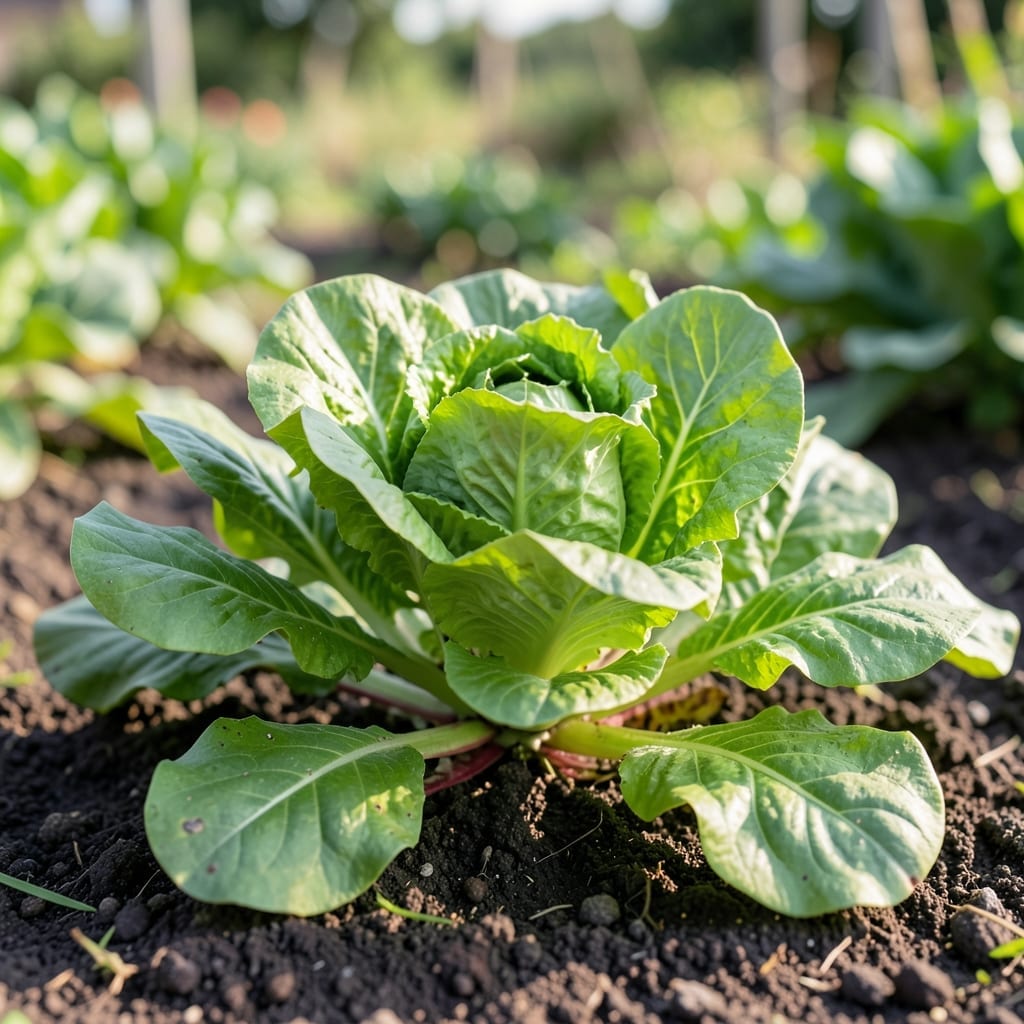
Your lettuce looked fine yesterday, but today it’s a sad, droopy mess. 🌱 I’ve been there—watering too much because I thought more was better, only to watch the leaves turn yellow and develop those telltale brown edges.
Here’s the thing—overwatering doesn’t just drown the roots; it suffocates them. The leaves wilt despite the soil being soggy, and the plant starts to look more like a soggy rag than a crisp salad green.
You’ll notice the lower leaves yellowing first, then the edges crisping up like old paper. The stem might even feel mushy at the base. It’s not a pretty sight, but it’s fixable.
I’ll show you how to spot the early signs and pull your lettuce back from the brink before it’s too late.
Overwatering lettuce often stems from a few key issues, each tied to how water interacts with the plant and its environment. Here’s why it happens:
Lettuce roots need oxygen as much as they need water. When you water too often, the soil stays soggy, displacing air pockets and suffocating the roots. This leads to root rot, where fungi like Pythium thrive in waterlogged conditions, damaging the plant’s ability to absorb nutrients.
Heavy or compacted soil—especially clay—retains moisture for too long. If your containers lack drainage holes or your garden beds have poor structure, water pools around the roots. Stagnant water prevents proper root respiration, causing stress signals like wilting and yellowing leaves.
Cool, humid weather slows evaporation, keeping soil damp longer than intended. Similarly, shaded areas or overly large pots (which hold excess moisture) can exacerbate the problem. Lettuce in these conditions is more prone to overwatering symptoms, even if your watering schedule seems normal.
Lettuce has shallow roots, so it’s easy to assume it needs frequent watering. However, surface-level dryness doesn’t always mean the deeper soil is parched. Overcompensating with extra water—especially without checking moisture levels 1–2 inches down—often leads to overwatering.
Don’t panic if your lettuce is showing signs of overwatering—there’s still time to turn things around! Here’s how to address each issue and prevent future problems.
If your lettuce looks limp and waterlogged, stop watering immediately and let the soil dry out. Gently check the roots: if they’re mushy or dark, trim the damaged parts with clean scissors. Replant in fresh, well-draining soil. Prevention tip: Water only when the top inch of soil feels dry. Use your finger to test moisture levels.
Brown or yellowing edges often signal too much water. Improve drainage by moving your lettuce to a pot with drainage holes or adding perlite to the soil mix. If growing in-ground, amend the soil with compost to enhance drainage. Prevention tip: Always use containers with drainage holes and avoid saucers that trap water.
For severe cases where roots are black and slimy, remove the affected plant to prevent the rot from spreading. Sterilize the container with a bleach solution (1 part bleach to 9 parts water) before reuse. Prevention tip: Use a well-draining potting mix and avoid overcrowding plants, which can trap moisture.
If you spot mold or fungus, reduce humidity around your lettuce by improving air circulation. Thin out dense plantings and avoid overhead watering. A light sprinkle of cinnamon on the soil can help deter fungal growth. Prevention tip: Water at the base of the plant early in the day so leaves dry quickly.
With these fixes, your lettuce should bounce back in no time. Keep an eye on your watering habits, and your greens will stay crisp and healthy! 🌱✨
Yellowing starts at the base because roots there suffocate first in soggy soil. The plant can’t absorb nutrients, so older leaves show stress first. This is your earliest warning sign.
Check soil 1-2 inches down—water only when dry. In cool weather, this might mean 2-3 times weekly. Always water in the morning for best absorption.
Yes, if caught early! Stop watering, improve drainage, and trim damaged roots. Most plants bounce back within 1-2 weeks with proper care.
A light mix with perlite or compost works best. Avoid heavy clay soils that trap moisture. Containers need drainage holes without exception.