
Beautiful Plants For Your Interior
Beautiful Plants For Your Interior
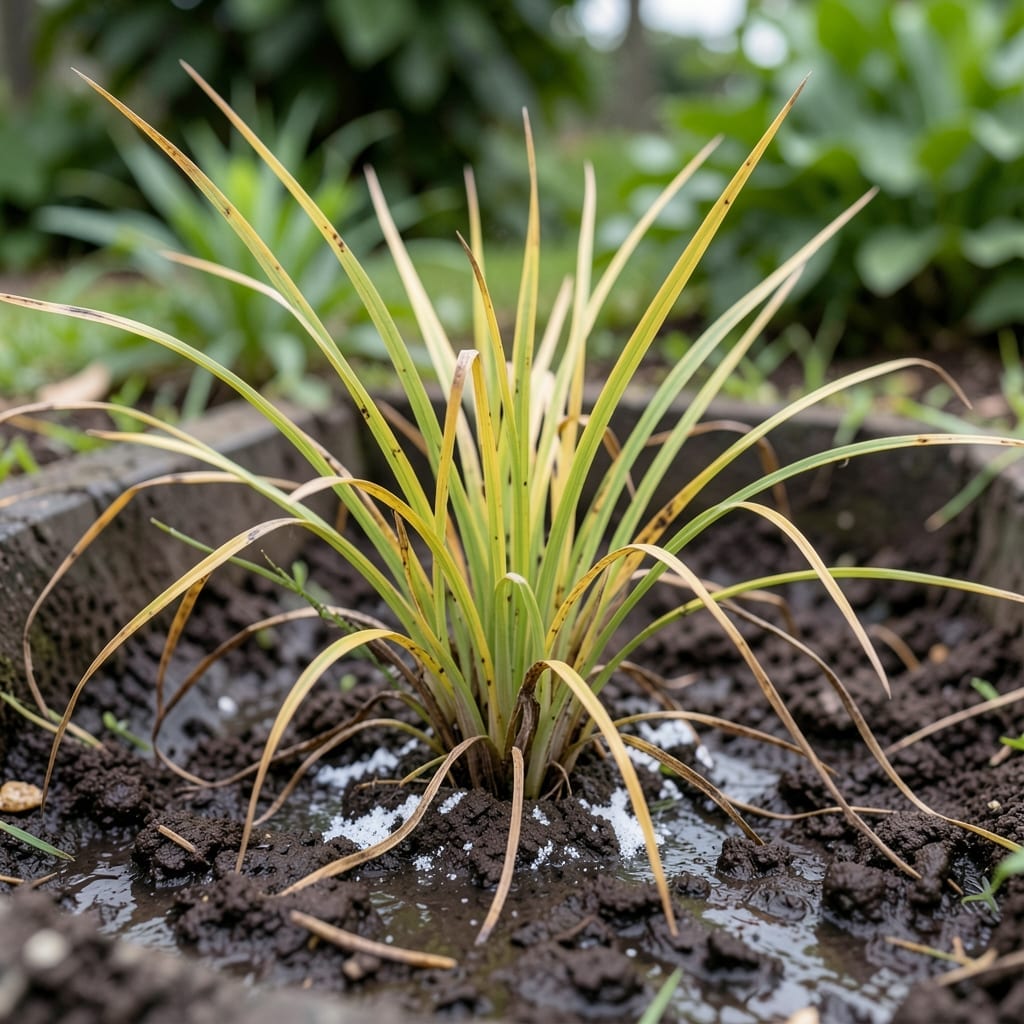
Yellow patches in your lawn might not be drought—they could be drowning. I’ve seen Bermuda grass turn a sad, spongy yellow when it gets too much love from the sprinkler.
Overwatering doesn’t just discolor the blades; it invites fungus, weakens roots, and leaves footprints in the soil long after you’ve walked away. The grass feels soft underfoot, almost squishy, and the smell can be a dead giveaway.
Here’s the thing—this grass thrives on 1-1.5 inches of water weekly, including rain. More than that, and you’re basically suffocating it. The fix starts with checking the soil before you even think about turning on the hose.
Fair warning: once the damage shows, it spreads fast. But with a quick adjustment to your routine, you can nurse it back to that deep, vibrant green everyone envies.
Overwatering Bermuda grass isn’t just about giving it too much water—it’s about disrupting the delicate balance your lawn needs to thrive. Here’s what’s really going on beneath the surface:
Bermuda grass thrives in well-draining soil, but compacted or clay-heavy soils trap water, suffocating the roots. When water can’t escape, it fills the air pockets that roots rely on for oxygen. Without oxygen, roots drown and rot, leading to yellowing, wilting, and a spongy feel underfoot. This is especially common in low-lying areas or after heavy rain.
Many homeowners water on a fixed schedule (e.g., daily) rather than responding to the grass’s needs. Bermuda grass typically needs 1–1.5 inches of water per week, including rainfall. Exceeding this—especially with shallow, frequent watering—encourages shallow root growth, making the grass more susceptible to stress and disease. Deep, infrequent watering is the key to resilience.
Bermuda grass is a warm-season grass, but high humidity combined with excessive moisture creates a breeding ground for fungal diseases like leaf spot or brown patch. These diseases thrive in wet, warm conditions, turning your lush lawn into a patchy, discolored mess. Overwatering in the evening is particularly risky, as it extends the time the grass stays damp overnight.
Foot traffic, heavy equipment, or even thick thatch layers can compact the soil, reducing its ability to absorb and drain water efficiently. Compacted soil holds water like a sponge, starving roots of air and nutrients. Aerating your lawn annually helps relieve compaction and improves water infiltration.
Overwatered Bermuda grass can bounce back with the right care. Here’s how to tackle each issue and prevent future problems.
If your lawn feels spongy or water pools on the surface, aerate the soil to let excess moisture escape. Use a core aerator to pull small plugs of soil, creating channels for better drainage. For severe cases, mix in coarse sand or compost to loosen compacted areas. Prevention tip: 💡 Test drainage by digging a small hole and filling it with water—if it doesn’t drain within 4 hours, your soil needs work.
Cut back on watering immediately. Bermuda grass thrives on 1–1.5 inches of water per week, including rainfall. Water deeply but only 2–3 times a week in the early morning to allow the grass to dry before evening. Use a rain gauge or tuna can to measure. Prevention tip: ✨ Install a smart irrigation controller to automate watering based on weather conditions.
If you spot mushrooms or slimy patches, reduce moisture first. Apply a fungicide labeled for lawns (like azoxystrobin) to infected areas, following package instructions. Rake up debris and thatch to improve airflow. Prevention tip: 🌡️ Avoid evening watering, as damp grass overnight invites fungus. Mow regularly to prevent thick thatch buildup.
Overwatering suffocates roots. Let the top inch of soil dry out between waterings to encourage deeper root growth. Fertilize lightly with a balanced, slow-release fertilizer (e.g., 16-4-8) to restore vitality. Prevention tip: 🎯 Perform a soil test to ensure proper pH (6.0–7.0) and nutrient levels.
That spongy feeling is a classic sign of overwatering. The soil becomes waterlogged, losing its structure. When roots can’t breathe, the grass weakens and feels soft underfoot.
Excess water suffocates roots, preventing them from absorbing nutrients. This often leads to yellow or light green patches that spread quickly across the lawn.
Overwatered grass feels soft and spongy, while disease often shows distinct patterns like rings or irregular shapes. Check for mushrooms or a foul smell—both point to excess moisture.
Yes, but act fast. Reduce watering to 2-3 times weekly in the morning. If the soil stays soggy, aerate to improve drainage and let the top inch dry between waterings.