
Beautiful Plants For Your Interior
Beautiful Plants For Your Interior
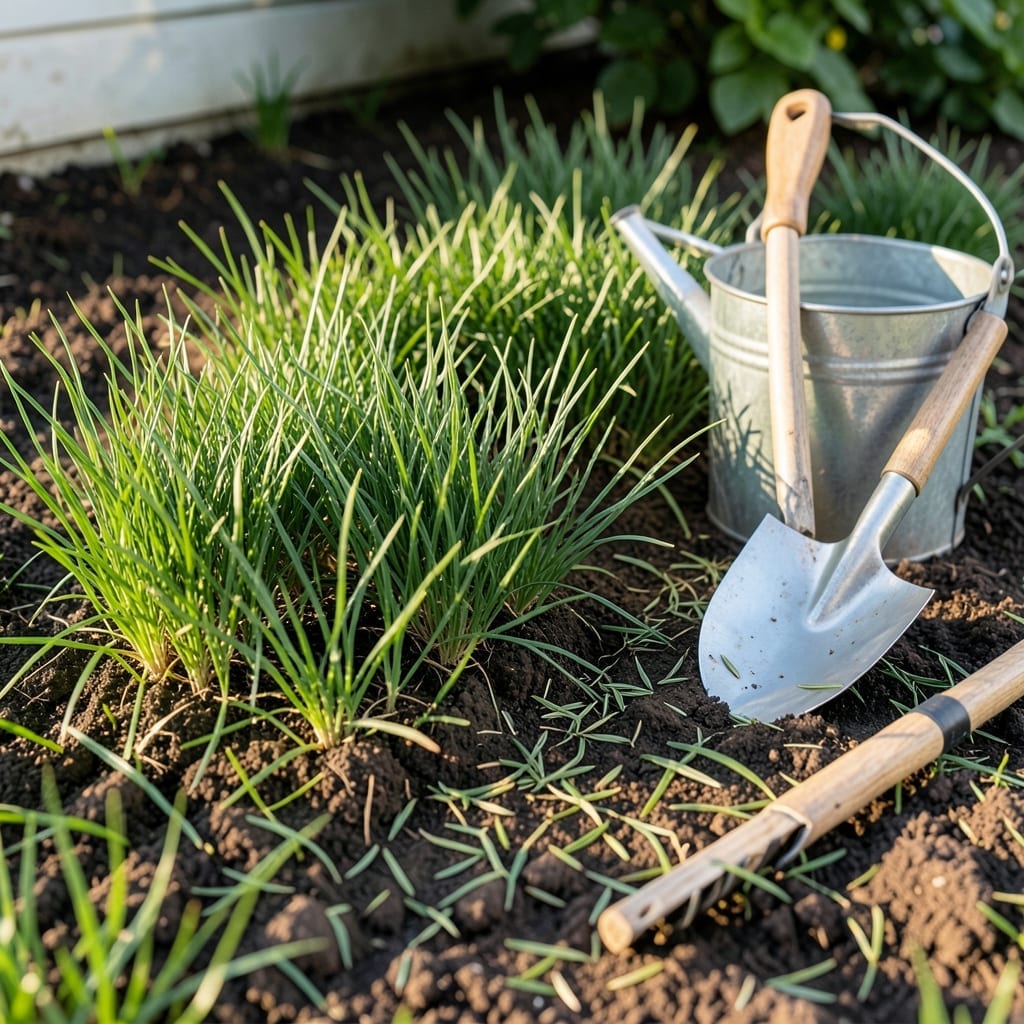
Timing your grass planting perfectly can mean the difference between a lush, thriving lawn and a patchy, struggling one. In Michigan’s 5b-6a climate, knowing the ideal windows for seeding ensures strong root development before extreme temperatures hit.
I’ve seen too many homeowners waste time and money by planting the 🌱 Grass at the wrong time. The right schedule gives your lawn the best chance to establish itself before winter or summer stress arrives.
Whether you’re starting fresh or overseeding, the timing decision is crucial. Michigan’s seasons create specific opportunities that savvy gardeners shouldn’t miss.
Let me walk you through the most important factors for planting success in our state. You’ll discover exactly when to act for a lawn that turns heads.
In Michigan’s Zone 5, timing is everything for grass seed success. The two best windows are early fall and spring, when soil temperatures hover between 50-65°F. This range is ideal for cool-season grasses like Kentucky Bluegrass and Tall Fescue. 🌱
I’ve found that late August to mid-September is the prime fall window. The cool air and warm soil combo encourages rapid germination while giving roots time to establish before winter. Spring planting, from mid-April to early June, works too but requires more watering vigilance. 🌿
| Season | Soil Temp Range | Key Benefits | Best For |
|---|---|---|---|
| Early Fall | 50-65°F | Strong root growth | Kentucky Bluegrass |
| Spring | 50-65°F | Fewer weeds | Tall Fescue |
| Late Fall | Below 50°F | Dormant seeding | Perennial Ryegrass |
Fall planting wins in my book because cool nights and moderate days reduce heat stress on new seedlings. The first frost in Michigan typically hits around October 15, so seeds sown by September 1 have a full 6-8 weeks to establish. This timing also means less competition from summer weeds. ✂️
For spring planting, aim to seed after the last frost (around May 15 in most of Michigan). The soil is warming, but you’ll need to water more frequently as temperatures rise. I recommend early morning watering to prevent fungal diseases and evaporation loss. 💧
Avoid summer planting in Michigan—it’s a recipe for failure. The heat and drought stress make it nearly impossible for cool-season grasses to thrive. If you must plant in summer, choose drought-tolerant varieties like Tall Fescue and water deeply twice daily. ☀️
Winter seeding, called dormant seeding, can work if done after the ground freezes but before snow cover. The seeds lie dormant and germinate in early spring. However, this method is riskier due to seed loss from wind, birds, or thaw-freeze cycles. 🌡️
For warm-season grasses like Zoysia or Bermudagrass, which aren’t native to Michigan, late spring to early summer is the only viable window. But honestly, these grasses struggle in Zone 5 and are better suited for southern climates. Stick with cool-season varieties for best results. 🌳
I always tell my clients to test soil temperature with a soil thermometer before planting. If it’s consistently above 50°F at a 2-inch depth, you’re good to go. Also, check the forecast—avoid planting if heavy rain is expected within 24-48 hours, as it can wash away seeds. 🌧️
Finally, soil preparation is key regardless of season. I recommend aerating and adding compost to improve seed-to-soil contact. A starter fertilizer with a high phosphorus content (like 10-20-10) gives new grass the nutrient boost it needs. This prep work makes all the difference in germination rates and long-term lawn health. 🌱
In Michigan’s Zone 5, timing your grass planting depends on the variety. Cool-season grasses like Kentucky Bluegrass thrive when planted in early fall or late summer. This timing allows roots to establish before winter.
For Tall Fescue and Perennial Ryegrass, aim for August to September. These varieties handle Michigan’s temperature swings better than others. Spring planting is possible but requires more watering and care.
| Grass Type | Best Planting Months | Region Notes |
|---|---|---|
| Kentucky Bluegrass | August – September | Lower Peninsula ideal |
| Tall Fescue | August – October | Drought-tolerant, Upper Peninsula |
| Perennial Ryegrass | Late August – Early September | Fast germinating, statewide |
The Upper Peninsula has a shorter growing season, so plant 2-3 weeks earlier than in southern Michigan. Soil temperature should be 50-65°F for optimal germination.
In southern Michigan, you can push planting into early October, but avoid late fall seedings. Spring plantings should be done by mid-May to avoid summer heat stress.
Microclimates matter—areas near Lake Michigan may have slightly different timing. Always check local frost dates and soil conditions before seeding.
For the best results, I recommend testing your soil pH and amending with compost before planting. This ensures your new grass has the best start possible 🌱