
Beautiful Plants For Your Interior
Beautiful Plants For Your Interior
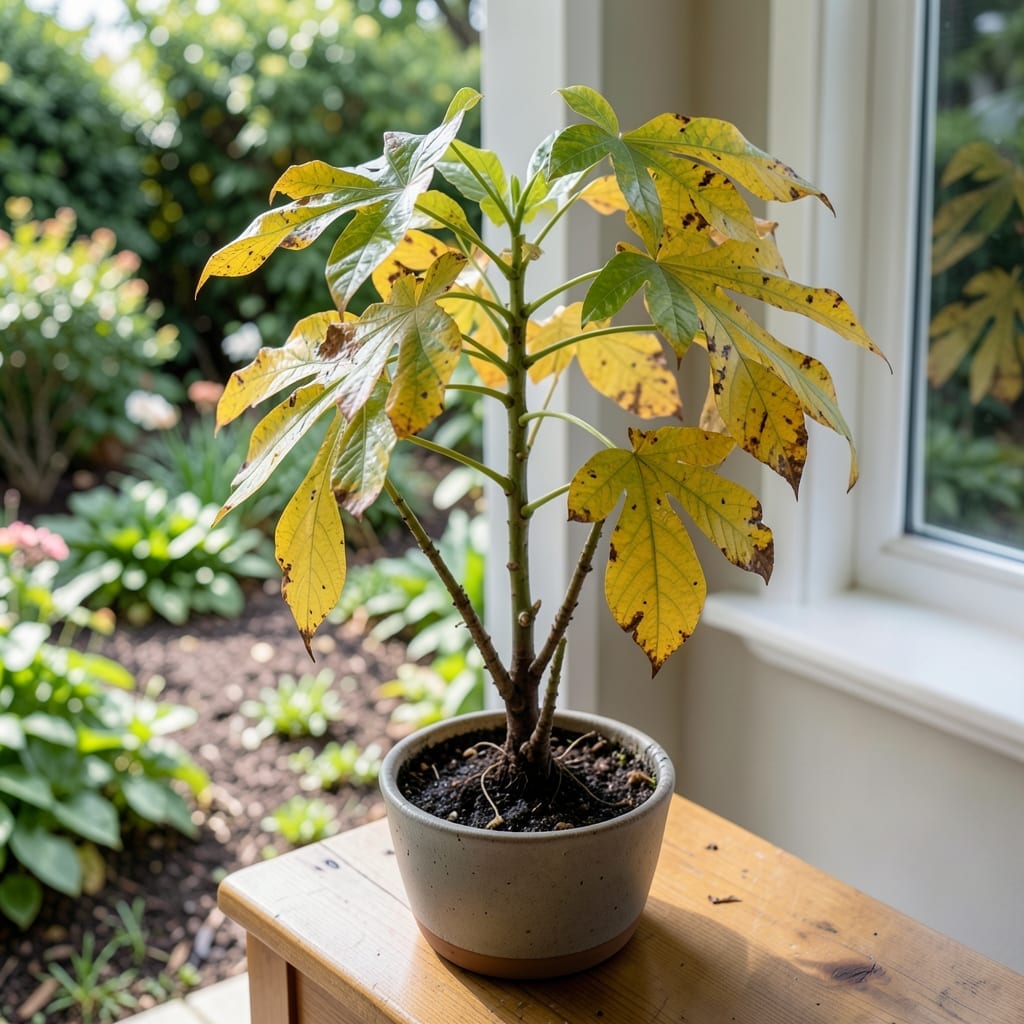
Yellow leaves and mushy stems are your money tree’s SOS signal. I’ve seen this happen too many times—well-meaning plant parents drown their trees with kindness, not realizing the damage until it’s almost too late.
The first sign is usually subtle: leaves turning pale or translucent. Then comes the droop, as if the plant’s given up. Left unchecked, you’ll notice a foul smell from the soil—that’s root rot setting in, and it spreads fast.
Catching it early means the difference between revival and replacement. The good news? This issue is 100% preventable with the right watering routine and soil setup. It’s simpler than you think.
Here’s how to spot the warning signs before they become a death sentence for your plant. Trust me, your money tree will thank you.
Overwatering a money tree (Pachira aquatica) doesn’t just happen by accident—it’s usually the result of a few common missteps. Understanding these causes can help you adjust your care routine and prevent damage to your plant. Here’s why it happens:
Many plant owners assume that more water equals a happier plant, but money trees thrive on a “less is more” approach. Their native tropical habitats experience periodic dry spells, so their roots are adapted to temporary moisture, not constant saturation. Watering too frequently—especially without checking soil moisture—leads to waterlogged roots, which suffocate and rot over time.
Even with the best intentions, a pot without drainage holes or dense, compacted soil can trap excess water. Money trees need well-draining soil (like a mix of peat, perlite, and sand) and containers that allow water to escape. Without these, water pools at the bottom, creating a stagnant environment where harmful bacteria and fungi thrive.
Money trees in dimly lit or overly humid environments dry out more slowly. When soil stays damp for extended periods, roots can’t absorb oxygen, leading to root asphyxiation. If your plant sits in a low-light corner or a humid bathroom, it’s more susceptible to overwatering—even if you’re following a standard watering schedule.
Plants’ water needs fluctuate with the seasons. In winter, money trees enter a dormant phase, requiring far less water. Continuing a summer watering routine can drown the roots. Always adjust your care based on the season, growth rate, and environmental conditions.
If your money tree is showing signs of overwatering, act fast to nurse it back to health. Below are targeted solutions for each common issue, along with prevention tips to keep your plant thriving.
Fix: Trim the yellow leaves with clean scissors to redirect energy to healthy foliage. Reduce watering immediately—only water when the top 1-2 inches of soil are dry. Ensure the pot has drainage holes to prevent waterlogging.
Prevention: 💡 Pro tip: Use a moisture meter or the finger test to check soil dryness before watering. Stick your finger in the soil—if it feels damp, wait a few more days.
Fix: Stop watering and move the plant to a spot with bright, indirect light to help it recover. If the soil is soggy, gently remove the plant from its pot and let the roots air-dry for a few hours before repotting in fresh, well-draining soil.
Prevention: Water deeply but infrequently. Always empty the saucer under the pot after watering to avoid root suffocation.
Fix: Carefully remove the plant from its pot and inspect the roots. Trim away any black, mushy, or foul-smelling roots with sterilized pruning shears. Repot the plant in a clean container with fresh, dry potting mix. Avoid watering for at least a week to let the roots heal.
Prevention: ✨ Key habit: Use a pot with drainage holes and a fast-draining soil mix (e.g., cactus or succulent mix). Add perlite or sand to improve aeration.
Fix: Improve air circulation around the plant by moving it to a well-ventilated area. Reduce humidity levels and avoid misting the leaves. If edema is severe, remove affected leaves to prevent further stress.
Prevention: Maintain consistent watering habits—avoid overwatering followed by dry spells. Grouping plants too closely can trap humidity, so space them out.
Water only when the top 1-2 inches of soil are dry. In most homes, this means watering every 1-2 weeks. Always check soil moisture first—never water on a fixed schedule.
Yes, if caught early. Remove all black, mushy roots and repot in fresh, dry soil. Skip watering for 1 week to let roots heal. Severe cases may require propagating healthy stems.
Yellow leaves can also signal poor drainage or low light. Ensure your pot has drainage holes and the plant gets bright, indirect light. If soil stays soggy, roots suffocate regardless of watering frequency.
No, misting increases humidity and edema risk. Instead, use a pebble tray or humidifier for dry environments. Keep leaves dry to prevent fungal issues and water spots.