
Beautiful Plants For Your Interior
Beautiful Plants For Your Interior
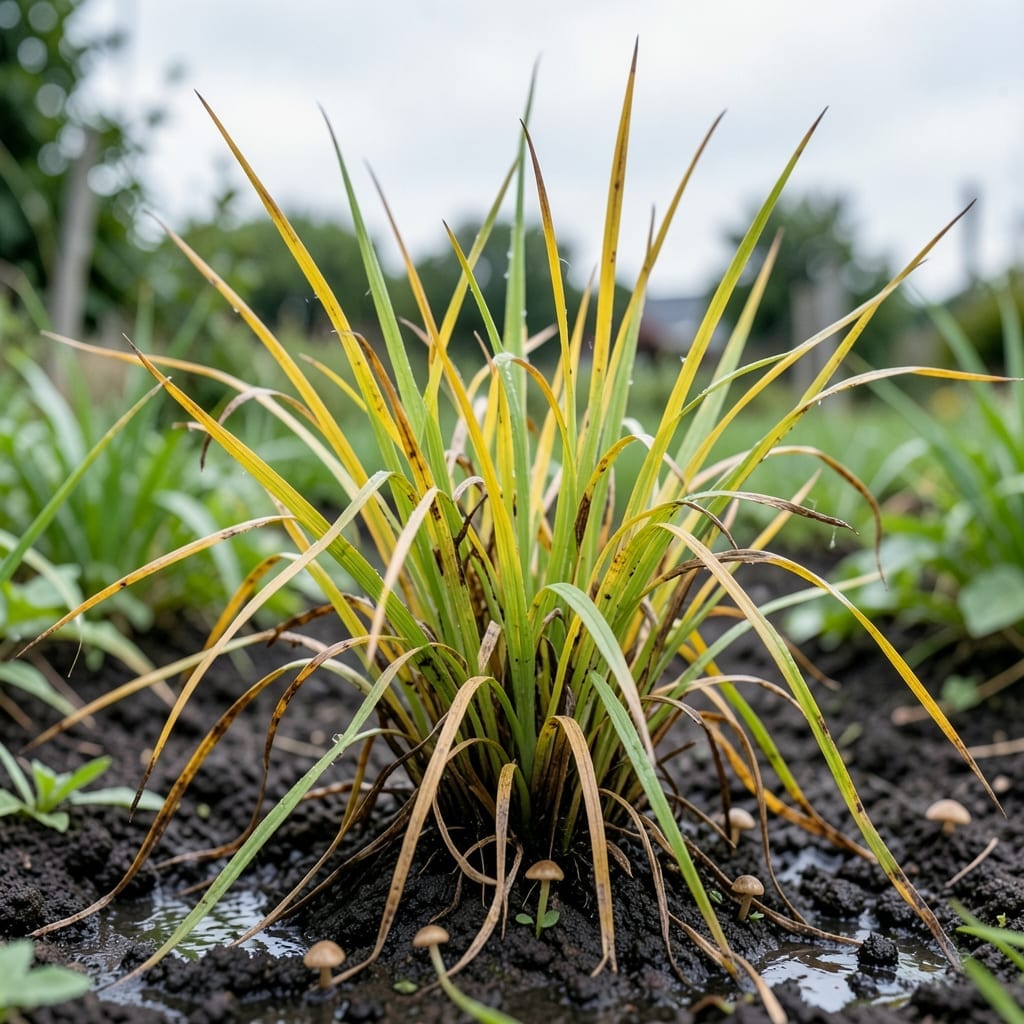
Yellow patches spreading like wildfire across your grass? That’s often the first red flag. I’ve seen too many lawns suffering from kindness—well-meaning watering that does more harm than good.
Squishy soil that stays soggy for hours is another dead giveaway. Step on it and watch water pool around your feet. Meanwhile, mushrooms popping up overnight practically scream that your lawn is drowning.
Fungus thrives in these conditions, leaving slimy patches or weird circles of discolored grass. The roots can’t breathe, so the blades turn weak and yellow no matter how much you water.
Here’s the thing—fixing it is simpler than you’d think. A few small adjustments can bring your lawn back to its vibrant green self.
Overwatering your lawn often stems from well-intentioned but misguided care. Understanding the root causes helps you adjust your routine and prevent damage. Here’s why it happens:
Watering too often doesn’t give the soil a chance to dry out between sessions. Grass roots need oxygen, and constantly saturated soil suffocates them. Most lawns thrive with 1–1.5 inches of water per week, including rainfall. Shallow, daily watering encourages weak root systems, making grass more susceptible to disease and stress.
Watering at the wrong time of day can waste water and promote fungal growth. Evening watering, for example, leaves moisture on blades overnight, creating ideal conditions for Pythium or Rhizoctonia fungi. Early morning (before 10 AM) is best—it reduces evaporation and allows grass to dry before nightfall.
Nature often does the work for you. Failing to adjust your watering schedule during rainy seasons or high humidity leads to over-saturation. Use a rain gauge or smart irrigation controller to track moisture levels. If the soil feels spongy or water pools on the surface, it’s a sign to pause watering.
Broken sprinkler heads, misaligned spray patterns, or outdated timers can dump excessive water in one area. Conduct a catch-can test to measure distribution: Place tuna cans across your lawn during a watering cycle. If some collect significantly more water than others, recalibrate or repair your system.
If your lawn is showing signs of overwatering, don’t worry—it’s often an easy fix! Below are targeted solutions for common issues, along with prevention tips to keep your grass thriving. 🌱
If water pools on your lawn or the soil feels spongy, aerate the ground to help it dry out. Use a garden fork or aerator to create small holes, allowing excess water to drain. For severe cases, mix in sand or compost to improve soil structure. Prevention tip: Test drainage by digging a small hole and filling it with water—if it doesn’t drain within 4 hours, aerate regularly. 💡
Cut back on watering immediately. Let the top 1-2 inches of soil dry out before watering again. Early morning is the best time to water, as it reduces evaporation and fungal risks. Prevention tip: Use a rain gauge to track natural rainfall and adjust your schedule accordingly. ⏰
Fungus thrives in damp conditions. Apply a fungicide to affected areas and remove any infected grass clippings. Improve airflow by mowing regularly and avoiding thick thatch buildup. Prevention tip: Water deeply but infrequently to encourage deep root growth and reduce surface moisture. ✨
Most lawns only need 1-1.5 inches of water per week, including rainfall. Use a sprinkler system with a timer or a moisture sensor to avoid overdoing it. Prevention tip: Check local weather forecasts and skip watering if rain is expected. 🌦️
With these fixes, your lawn will bounce back in no time—just be patient and consistent!
Look for squishy soil that stays soggy long after watering. Yellow or wilting grass despite frequent watering is another clear sign.
Too much water suffocates roots, preventing them from absorbing oxygen and nutrients. This leads to weak, discolored grass even if the soil is wet.
Mushrooms thrive in damp, overwatered conditions. If you notice them popping up, it’s a sure sign your lawn is getting too much moisture.
Water early in the morning, before 10 AM. This allows grass to dry before evening, reducing fungal risks and evaporation.