
Beautiful Plants For Your Interior
Beautiful Plants For Your Interior
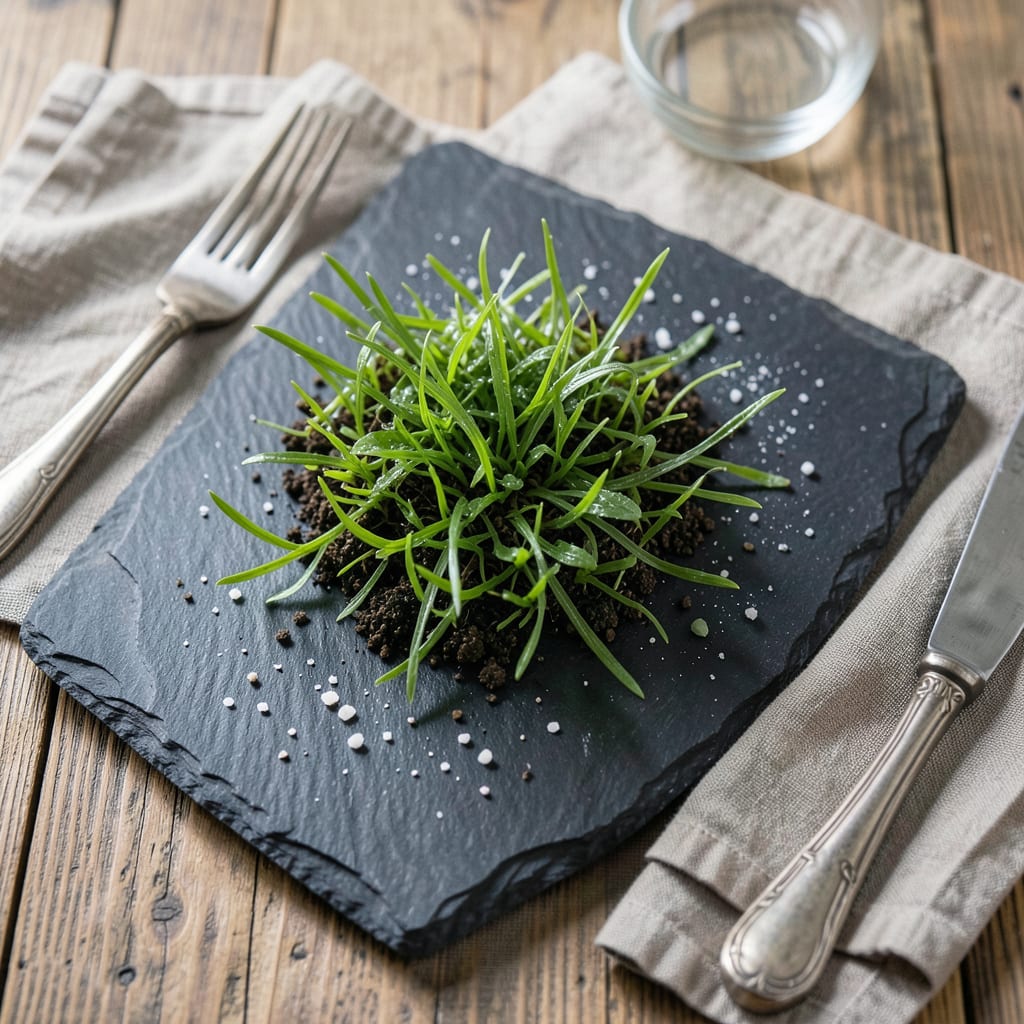
As spring arrives, your Lawn Grass 🌿 begins to grow again, and proper fertilization becomes crucial for a healthy, lush lawn throughout the summer. The timing of this fertilization is critical, as it directly impacts your lawn’s ability to recover from winter damage and withstand upcoming heat stress.
In USDA Zone 6, where spring growth typically starts between March and May, understanding the optimal fertilization schedule is key. I’ll guide you through the best practices for fertilizing your Lawn Grass in the spring, ensuring you’re equipped with the knowledge to make your lawn thrive.

Understanding when to fertilize your lawn in spring is crucial for achieving a lush, healthy lawn throughout the growing season. The optimal timing depends on several factors including grass type, climate, and soil conditions 🌿.
In USDA Zone 6, where spring growth typically starts between March and May, the ideal time to fertilize is after the last frost date, which is around April 15. This allows your Lawn Grass to benefit from the fertilizer during its active growth phase 🌱.
The fertilizer type and NPK ratio are critical for spring lawn fertilization. A balanced fertilizer with a 10-10-10 NPK ratio is generally recommended for Lawn Grass, as it provides equal amounts of nitrogen, phosphorus, and potassium 🌱.
Fertilizing your lawn at the right time in spring not only promotes healthy growth but also helps in recovering from winter damage and preparing it for the upcoming heat stress. It’s essential to follow the recommended fertilization frequency of every 4-6 weeks during the growing season 🔥.
For Lawn Grass in USDA Zone 6, the ideal months for fertilization are March, April, and May. It’s also important to consider the soil conditions and grass type to adjust the fertilization plan accordingly 🌟.
By fertilizing your lawn at the optimal time and using the right type of fertilizer, you can ensure a healthy and vibrant lawn throughout the spring and summer seasons. Regular lawn care practices such as mowing, watering, and weed control also play a crucial role in maintaining a lush lawn 🌱.
In conclusion, understanding the optimal timing for spring lawn fertilization is key to achieving a healthy and thriving lawn. By considering factors such as grass type, climate, and soil conditions, you can make informed decisions about when and how to fertilize your lawn effectively 🌿.
For more detailed information on lawn care and fertilization, you can refer to additional resources that provide guidance on complementary practices to enhance fertilization effectiveness 🔍.
Choosing the right fertilizer for your lawn in spring is critical for achieving optimal growth and health. The type of fertilizer you select depends on several factors, including grass type, soil conditions, and climate 🌿.
For Lawn Grass in USDA Zone 6, a balanced fertilizer with a 10-10-10 NPK ratio is generally recommended. This type of fertilizer provides equal amounts of nitrogen, phosphorus, and potassium, which are essential for healthy lawn growth 🌱.
When selecting a fertilizer, it’s also important to consider the application method. You can choose between granular and liquid fertilizers, each with its own advantages. Granular fertilizers are easy to apply and provide long-lasting nutrition, while liquid fertilizers offer quick absorption and flexibility in application 🌱.
The NPK ratio is a critical factor in determining the right fertilizer for your lawn. A balanced NPK ratio ensures that your lawn receives the necessary nutrients for healthy growth. For Lawn Grass, a 10-10-10 NPK ratio is ideal, as it promotes overall health and resilience 🔥.
In addition to the NPK ratio, you should also consider the fertilizer type. Balanced fertilizers are suitable for most lawns, while high nitrogen fertilizers can be used to promote leaf growth and green-up. Slow release fertilizers provide a steady supply of nutrients over an extended period, reducing the need for frequent applications 🌟.
By choosing the right fertilizer and following the recommended application frequency, you can ensure a healthy and vibrant lawn throughout the spring and summer seasons. Regular lawn care practices such as mowing, watering, and weed control also play a crucial role in maintaining a lush lawn 🌱.
In conclusion, selecting the right fertilizer for your lawn in spring requires careful consideration of several factors, including grass type, soil conditions, and climate. By understanding your lawn’s specific needs and choosing the appropriate fertilizer, you can promote healthy growth and achieve a lush, vibrant lawn 🌿.
In addition to fertilizing your lawn in spring, there are several other lawn care practices that can help maximize the effectiveness of fertilization and promote a healthy, lush lawn 🌿.
Keep your lawn at the recommended height for your grass type to promote healthy growth and prevent weed invasion 🌱.
Water your lawn deeply to encourage deep root growth, but avoid frequent shallow watering that can lead to weak roots and increased disease susceptibility 💧.
Use a pre-emergent herbicide in early spring to prevent crabgrass and other annual weeds from germinating. For existing weeds, consider using a post-emergent herbicide 🔥.
By incorporating these additional spring lawn care tips into your lawn maintenance routine, you can enhance the effectiveness of fertilization and achieve a healthier, more resilient lawn 🌟.
Regular lawn care practices such as mowing, watering, and weed control are essential for maintaining a lush, vibrant lawn throughout the spring and summer seasons 🌱.
For more detailed information on lawn care and fertilization, you can refer to additional resources that provide guidance on complementary practices to enhance fertilization effectiveness 🔍.
The ideal time to fertilize your lawn in spring is after the last frost date, typically around April 15 in USDA Zone 6. This allows your lawn to benefit from the fertilizer during its active growth phase. Fertilizing at this time helps promote healthy growth and recovery from winter damage.
It’s recommended to fertilize your lawn every 4-6 weeks during the growing season. This frequency ensures your lawn receives a consistent supply of nutrients for optimal growth. Be sure to follow the specific instructions on your fertilizer package for the best results.
A balanced fertilizer with a 10-10-10 NPK ratio is generally recommended for Lawn Grass in spring. This type of fertilizer provides equal amounts of nitrogen, phosphorus, and potassium, promoting overall health and resilience. Choose a fertilizer that matches your lawn’s specific needs.
Yes, fertilizing too early in spring can be counterproductive. If you fertilize before the last frost date, the fertilizer may be washed away or not be effectively utilized by your lawn. Wait until after the last frost date to ensure optimal results.
