
Beautiful Plants For Your Interior
Beautiful Plants For Your Interior
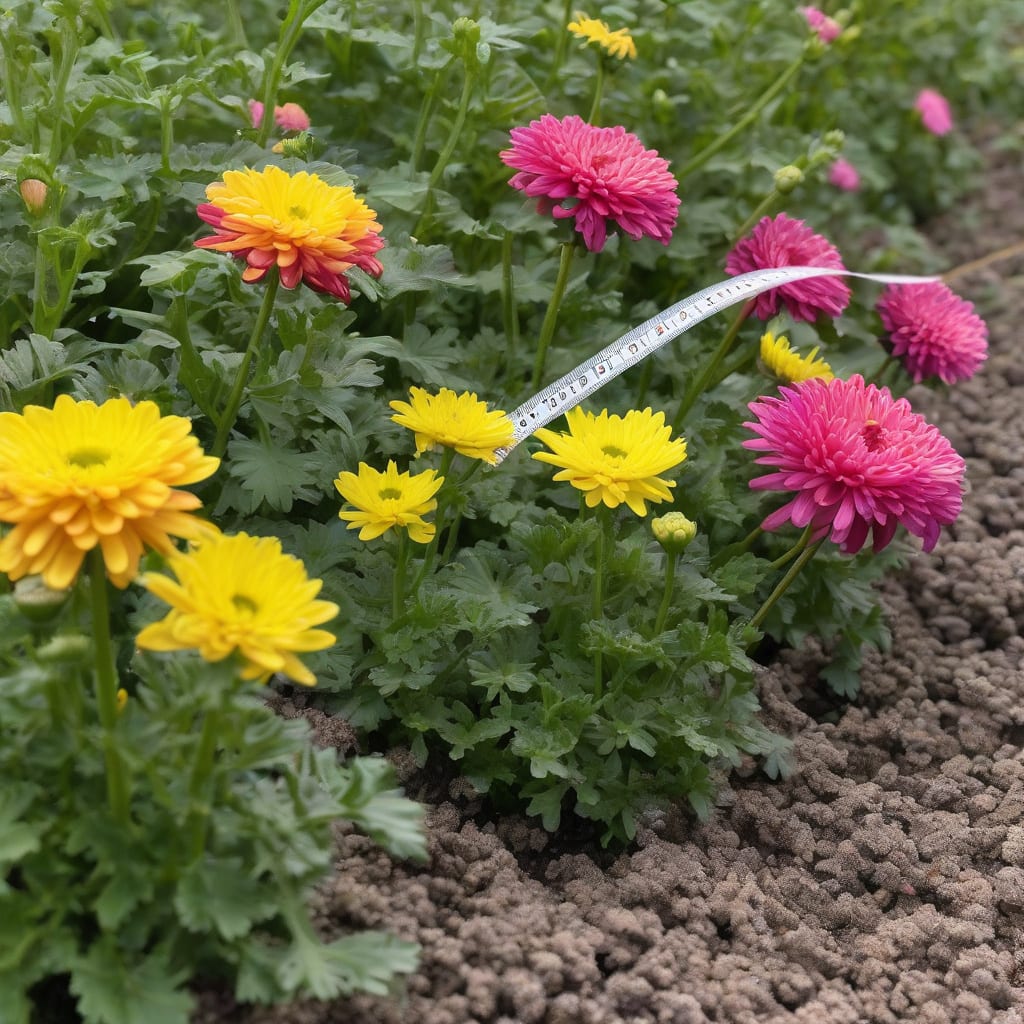
When planning your garden, understanding the growth potential of your plants is crucial. Chrysanthemums 💐, known for their vibrant fall blooms, can grow to varying heights depending on several factors.
In USDA Zone 6, these beautiful flowers typically reach between 1-3 feet tall, making them a great addition to many garden layouts. Let’s explore what influences their height and how to manage it for your garden’s needs.


Chrysanthemum height is influenced by multiple factors that gardeners can control to achieve their desired plant size. The variety of chrysanthemum is the primary determinant of its potential height, with different cultivars ranging from compact dwarf types to taller standard varieties.
Growing conditions also play a crucial role in chrysanthemum height development. Factors such as sunlight exposure, soil quality, and watering practices can significantly impact how tall these plants will grow in a particular garden setting 🌞.
The specific growing conditions for chrysanthemums in USDA Zone 6 create an ideal environment for these plants to thrive. With proper care, they can reach their full height potential during the fall growing season.
Understanding how different factors affect chrysanthemum height helps gardeners make informed decisions about plant selection and care practices. The ideal growing conditions include full sun exposure and consistent moisture levels.
Chrysanthemums typically require 6+ hours of direct sunlight daily and consistent watering to achieve optimal height. Proper fertilization during the growing season also contributes to healthy height development.
The height potential of chrysanthemums can be maximized through proper care and management. Gardeners should consider both the variety and growing conditions when planning their garden layout.
Different chrysanthemum varieties have distinct growth habits that affect their final height. Dwarf varieties remain compact, while standard varieties can grow taller, providing options for various garden designs.
By controlling factors such as pruning and fertilization, gardeners can influence the final height of their chrysanthemums. Regular maintenance helps achieve the desired plant size for different garden needs 🌼.
Chrysanthemum height management is essential for creating balanced garden compositions. Proper care and variety selection work together to achieve the desired height and overall plant health.
In conclusion, understanding the factors that affect chrysanthemum height growth enables gardeners to make better decisions about plant selection and garden care. By combining appropriate variety selection with proper growing conditions and care practices, gardeners can achieve their desired chrysanthemum height and enjoy beautiful fall blooms.
Effective management of chrysanthemum height is crucial for achieving the desired garden layout and maintaining plant health. Gardeners can employ several techniques to control the height of their chrysanthemums, including pruning, staking, and careful variety selection.
Pruning is one of the most effective methods for managing chrysanthemum height. By pinching back the tips of young plants, gardeners can encourage branching and create a more compact growth habit. This technique not only controls height but also promotes a fuller plant with more blooms 🌿.
Pinch back young plants to encourage branching
Continue pruning throughout the growing season
Cut back plants after blooming to maintain shape
Staking is another important technique for managing taller chrysanthemum varieties. By providing support to the plants, gardeners can prevent them from becoming too leggy or toppling over in the wind. This is particularly important for standard varieties that can grow taller 🌻.
Variety selection plays a significant role in determining the final height of chrysanthemums. Gardeners should choose dwarf or compact varieties for smaller gardens or containers, while standard varieties can be used in larger garden beds.
The height potential of chrysanthemums can be maximized through proper care and management. By combining appropriate variety selection with pruning and staking techniques, gardeners can achieve their desired plant height and enjoy beautiful fall blooms.
Different garden needs require different approaches to chrysanthemum height management. For example, border plantings may benefit from more compact varieties, while background plantings can use taller standard types.
By understanding and implementing these height management techniques, gardeners can create balanced and visually appealing garden compositions. Proper care and variety selection work together to achieve the desired height and overall plant health 🌼.
In conclusion, managing chrysanthemum height effectively requires a combination of proper variety selection, pruning techniques, and staking when necessary. By employing these strategies, gardeners can achieve their desired garden layout while maintaining healthy and vibrant plants.
Chrysanthemums come in various types, each with its unique height characteristics. Understanding these variations is essential for gardeners to plan their garden layout effectively. The height range of chrysanthemums can vary significantly depending on the specific variety 🌼.
The dwarf varieties are ideal for small gardens or container planting, as they remain compact and produce abundant blooms. Semi-dwarf types offer a balance between height and compactness, making them suitable for various garden designs 🌻.
Standard varieties are the tallest and can be used as background plants or in cut flower arrangements. Their height makes them visible from a distance, adding a dramatic effect to garden landscapes 🌼.
Gardeners should consider the height potential of different chrysanthemum types when planning their garden. By selecting the appropriate variety, gardeners can achieve the desired visual impact and maintain a balanced garden composition.
The growth habit of chrysanthemums also varies by type, influencing their overall appearance and garden placement. Compact varieties are perfect for borders, while taller types can create a stunning backdrop for other plants 🌺.
In conclusion, understanding the height variations among different chrysanthemum types allows gardeners to make informed decisions about plant selection and garden design. By choosing the right variety, gardeners can enhance their garden’s beauty and achieve their desired landscape effects.
