
Beautiful Plants For Your Interior
Beautiful Plants For Your Interior
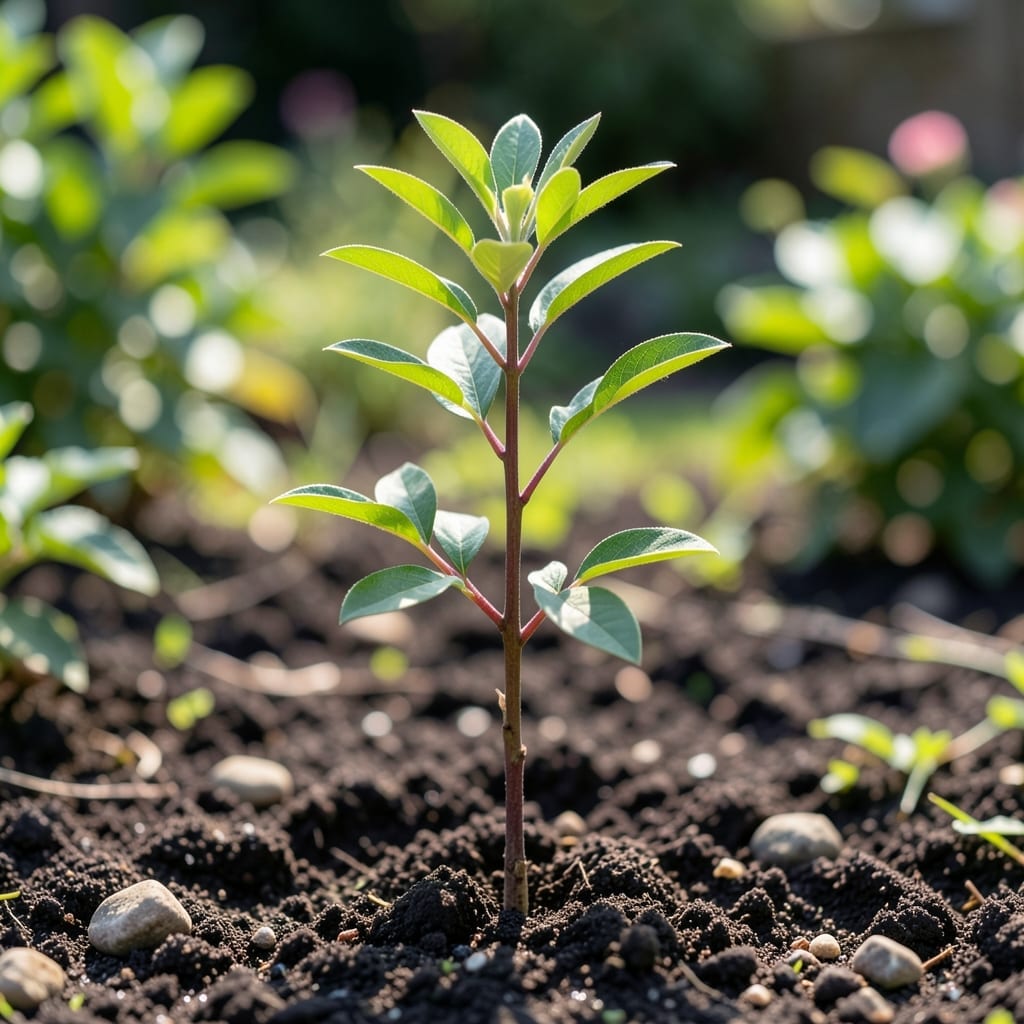
That first sprout always surprises me with its delicate strength. Pomegranate seedlings emerge with thin, bronze-tipped leaves that gradually turn deep green as they mature, standing out against the soil like tiny copper flags.
The leaves are narrow and slightly pointed, arranged in pairs along a slender, reddish stem that thickens as it grows. Within 2-3 weeks, you’ll notice the true leaves forming, looking nothing like the seed leaves.
What gives it away are those metallic bronze edges—unlike most seedlings. The stems stay slightly purple at first, and the whole plant has a wiry, determined look that promises the sturdy shrub it will become.
Keep it in bright, indirect light at this stage, and water when the top inch of soil feels dry. These early days set the foundation for a plant that can live and produce for decades.
The appearance of a pomegranate seedling can change due to several natural and environmental factors. Understanding these causes helps gardeners identify healthy growth and address potential issues early. Below are the primary reasons for variations in seedling appearance.
Pomegranate seeds (Punica granatum) are not “true to type,” meaning seedlings may not resemble the parent plant exactly. This genetic variation leads to differences in leaf shape, color, and growth patterns. For example, some seedlings may display deeper bronze tips, while others have lighter or more uniform green leaves.
Light, temperature, and humidity directly influence seedling development. Full sun exposure often intensifies the bronze or reddish hues in young leaves, a natural stress response to UV radiation. Cooler temperatures can slow growth, resulting in smaller, paler leaves, while warm, humid conditions may encourage rapid, lush green growth.
Soil quality plays a critical role. Nitrogen-deficient soil may produce seedlings with yellowish leaves, while phosphorus or potassium imbalances can lead to stunted growth or unusual leaf coloring. Healthy seedlings typically have vibrant, bronze-tipped leaves when grown in well-draining, nutrient-rich soil.
Early pest attacks (e.g., aphids) or fungal diseases (e.g., damping-off) can distort leaf shape or color. Infected seedlings may develop spotted, curled, or wilting leaves. Regular inspection and organic treatments (like neem oil) can mitigate these issues.
Identifying and addressing problems with your pomegranate seedling early ensures healthy growth. Below are practical fixes for common issues, paired with prevention tips to keep your young plants thriving.
Overwatering or poor drainage often causes yellow leaves. Fix: Let the top 1-2 inches of soil dry out between waterings. Ensure pots have drainage holes, and use well-draining soil. Prevention: Stick your finger in the soil to check moisture before watering—only water when dry.
Seedlings wilt if they’re too hot, too cold, or lack light. Fix: Move them to a spot with 6-8 hours of sunlight daily and maintain temperatures between 70-85°F. Shield from harsh afternoon sun. Prevention: Use a grow light if natural light is insufficient, and avoid drafty areas.
Aphids or spider mites leave curled or spotted leaves. Fix: Spray with a mix of water and mild soap (1 tsp per quart) or introduce ladybugs. For severe cases, use neem oil. Prevention: Inspect leaves weekly and keep the growing area clean.
Slow growth may signal nutrient deficiency. Fix: Use a balanced, water-soluble fertilizer (10-10-10) diluted to half strength every 4-6 weeks. Avoid over-fertilizing. Prevention: Start with nutrient-rich soil and monitor leaf color for signs of hunger.
Pro Tip 💡: Bronze-tipped leaves are normal in young pomegranate seedlings! Only intervene if leaves turn fully brown or crispy—this could mean underwatering or sunburn.
Look for the signature bronze-tipped leaves and slender, reddish stems. Unlike most seedlings, pomegranates have narrow, pointed leaves in pairs. True leaves appear within 2-3 weeks and look distinct from the initial seed leaves.
As the seedling matures, the bronze coloring naturally fades to deep green. This is normal! If it happens too quickly, it might indicate too little sunlight—pomegranates need 6-8 hours of light daily to maintain vibrant color.
Yes, but the resulting plant may not produce fruit identical to the parent. Seeds from store-bought fruit are often hybrids. Still, it’s a fun project! Just be prepared for potential variations in fruit quality and tree characteristics.