
Beautiful Plants For Your Interior
Beautiful Plants For Your Interior
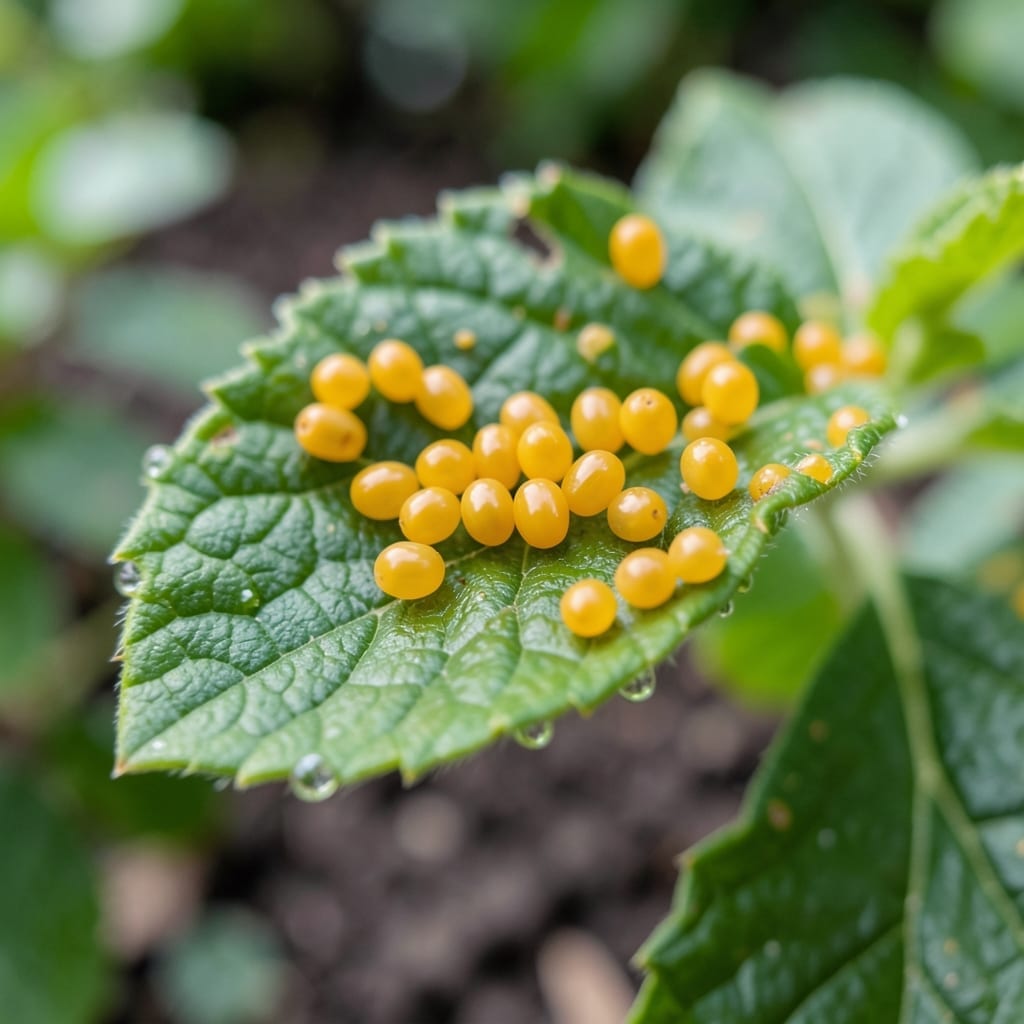
I spotted my first ladybug eggs last spring while checking for pests. Tiny yellow ovals, clustered like miniature footballs on leaf undersides—easy to miss if you’re not looking.
They’re about 1/25 inch long, often in groups of 10-50, and hatch within 3-5 days into voracious larvae. The larvae resemble tiny alligators, not the cute adults we recognize.
One female lays hundreds in her lifetime, and each larva eats dozens of aphids daily. Your garden gets free pest control without lifting a finger.
Look closely—these eggs mean your plants have natural defenders on the way.
Lady bugs, also known as lady beetles, lay eggs as part of their reproductive cycle. This natural process ensures the continuation of their species and plays a crucial role in controlling pest populations. Here’s why it happens:
Like all living organisms, lady bugs reproduce to pass on their genes and sustain their population. Female lady bugs lay eggs to produce offspring, which will eventually grow into adult beetles. This is a fundamental biological drive seen across the animal kingdom.
Lady bugs are beneficial predators in gardens and agricultural settings. By laying eggs, they ensure a steady supply of larvae, which are even more voracious eaters of pests like aphids, mites, and scale insects. A single lady bug larva can consume hundreds of pests during its development, making egg-laying a critical part of natural pest management.
Lady bugs lay eggs in response to favorable environmental conditions, such as warm temperatures and abundant food sources. They typically choose the undersides of leaves to protect their eggs from predators and harsh weather, ensuring higher survival rates for their offspring.
If you’ve spotted tiny yellow clusters on the undersides of leaves, you may be looking at lady bug eggs. While these are generally harmless (and even beneficial!), knowing how to manage them ensures your garden stays balanced. Here’s how to address common concerns and prevent overpopulation.
Fix: Gently relocate excess eggs using a soft brush or damp cloth. Transfer them to plants where aphids or other pests are present—ladybug larvae will feast on them! Avoid crushing the eggs, as they’re delicate.
Prevention: Encourage natural dispersal by planting a variety of flowers and herbs (like dill or marigolds) to attract adult ladybugs across your garden.
Fix: If you find eggs on houseplants, isolate the plant and wipe the leaves with a damp cloth to remove the eggs. Ladybugs prefer outdoor environments, so indoor eggs may not hatch successfully.
Prevention: Inspect new plants before bringing them inside, and keep windows screened to prevent adult ladybugs from laying eggs indoors.
Fix: Learn to identify lady bug eggs: they’re oval, yellow-orange, and clustered in groups of 10–50. If unsure, leave them be—ladybugs are pollinators and pest controllers!
Prevention: Educate yourself on common garden pests (like spider mite eggs) to avoid accidental removal of beneficial insects.
💡 Pro Tip: If you’re dealing with an aphid infestation, don’t remove lady bug eggs—they’re your free pest control! A single larva can eat hundreds of aphids before maturing.
Lady bug eggs typically hatch in 3-5 days under warm conditions. Cooler temperatures may extend this to 7-10 days.
No—leave them be! They’re harmless and will hatch into larvae that eat pests like aphids. Removing them disrupts natural pest control.
Yes, but use a soft brush or damp cloth. Gently transfer clusters to pest-infested plants for best results. Avoid crushing them.
Wipe leaves with a damp cloth to remove eggs. Ladybugs prefer outdoors, so indoor eggs may not survive.