
Beautiful Plants For Your Interior
Beautiful Plants For Your Interior
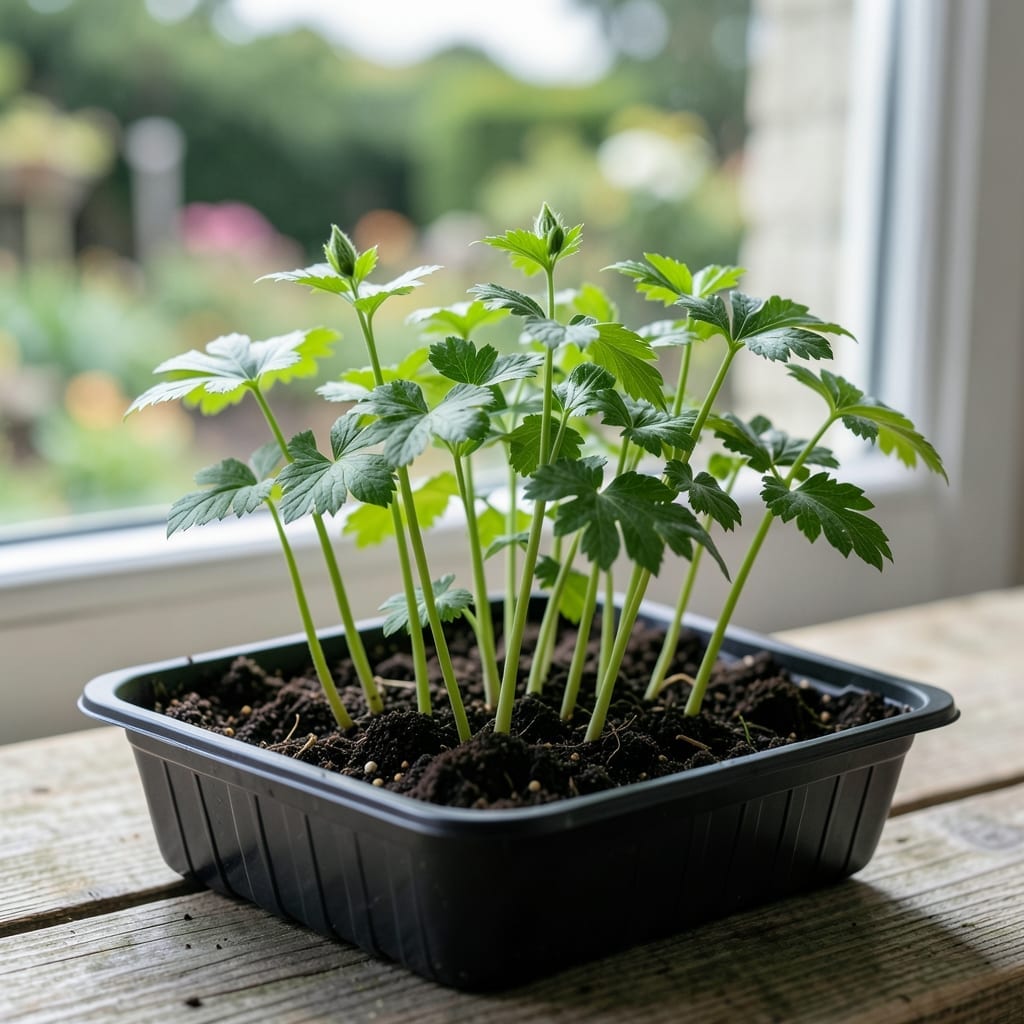
I remember the first time I saw delphinium seedlings emerge—they looked nothing like the towering spires they’d become. Tiny, delicate leaves appear first, often just two thin, grass-like blades pushing through the soil.
Within 2-3 weeks, true leaves develop, shaped like small, rounded lobes with a slightly fuzzy texture. The color starts as a soft green but deepens as the seedlings mature, with stems remaining slender and upright.
By 6-8 weeks, the foliage takes on that classic palmate shape, with deeply divided leaves that hint at the plant’s future grandeur. The growth is slow at first, but don’t be fooled—this is the foundation for those stunning summer blooms.
Keep the soil consistently moist and provide bright, indirect light. These little plants are worth the patience, I promise.
Delphinium seedlings can display noticeable differences in appearance, and these variations often stem from specific biological or environmental factors. Understanding the causes helps gardeners anticipate and manage growth conditions effectively.
Delphinium species and cultivars exhibit natural genetic variation. Seedlings from open-pollinated seeds may show differences in leaf shape, size, or color due to cross-pollination. Hybrid varieties, in particular, can produce offspring with inconsistent traits, leading to variations in early leaf patterns or stem thickness.
Light, temperature, and moisture levels directly influence seedling development. Insufficient light often causes etiolation—tall, spindly stems with pale, underdeveloped leaves. Conversely, excessive heat may lead to smaller, thicker leaves as the plant conserves water. Inconsistent watering can also result in stunted growth or irregular leaf shapes.
Soil composition plays a critical role. A deficiency in essential nutrients like nitrogen can cause yellowing leaves or slow growth, while an excess might lead to overly lush but weak foliage. Delphiniums thrive in well-draining, slightly alkaline soil; poor conditions can alter their typical seedling appearance.
If your delphinium seedlings aren’t thriving, don’t panic—most problems have simple fixes. Here’s how to address common issues and keep your young plants on track.
Fix: Move seedlings to a brighter location or use a grow light 12–16 hours a day. If they’re already stretched, gently bury the stems deeper when transplanting to encourage stronger roots.
Prevent: Start seeds under lights or in a sunny windowsill from day one. Avoid overcrowding, which causes competition for light.
Fix: Check soil moisture—delphiniums hate soggy roots. Let the top inch dry between waterings, and ensure pots have drainage holes. If overwatered, move to a breezy spot to dry out.
Prevent: Use a well-draining seed mix and water from the bottom to avoid damping off. A fan on low can improve air circulation.
Fix: Spray aphids off with water or use insecticidal soap. For slugs, set up beer traps or diatomaceous earth around seedlings.
Prevent: Keep the growing area clean and free of debris. Inspect leaves daily, especially the undersides where pests hide.
Fix: Delphinium seeds need light to germinate—press them into soil but don’t cover. Keep temps at 60–65°F (15–18°C) and maintain even moisture with a humidity dome.
Prevent: Use fresh seeds (viability drops after a year) and pre-chill them in the fridge for a week before sowing to break dormancy.
💡 Pro Tip: Label seedlings with dates to track progress. Healthy delphinium seedlings should have 2–4 true leaves and sturdy stems by week 6–8. If they’re lagging, adjust care and be patient!
Delphinium seeds typically germinate in 10-21 days under ideal conditions. Keep soil consistently moist and at 60-65°F for best results. Patience is key—some varieties may take longer.
This usually means they’re not getting enough light. Move them to a brighter spot or use a grow light for 12-16 hours daily. Leggy seedlings can be saved by burying stems deeper during transplanting.
Wait until after the last frost and when seedlings have 2-4 true leaves. Harden them off first by gradually exposing to outdoor conditions over 7-10 days.
No, wait until they develop their first true leaves. Then use a diluted, balanced liquid fertilizer every 2-3 weeks. Over-fertilizing early can harm delicate roots.