
Beautiful Plants For Your Interior
Beautiful Plants For Your Interior
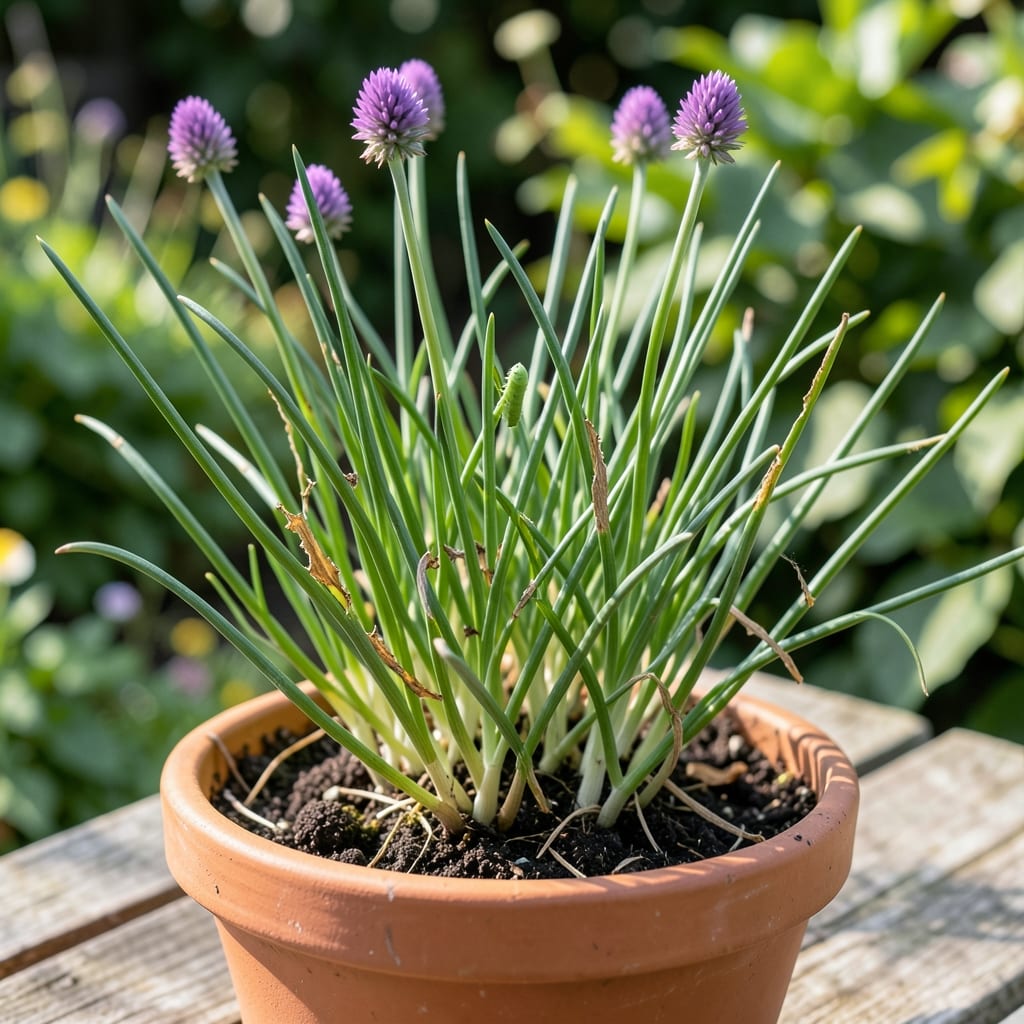
Watching something munched your chives overnight is frustrating. I’ve lost entire patches to creatures that found them as tasty as I do.
Deer, rabbits, and slugs are the usual suspects, but smaller pests like aphids can also target these plants. Each leaves distinct damage—ragged edges from mammals, slimy trails from slugs, or curled leaves from insects.
Identifying the culprit is the first step to protecting your crop. Organic solutions like fencing, row covers, or natural repellents often do the trick.
Prevention is simpler than cure. Healthy soil, proper spacing, and regular checks keep most problems at bay before they start.
Chives are a hardy perennial herb, but they can still fall victim to pests and diseases that cause visible damage. Understanding why this happens is key to prevention and treatment. Below are the most common causes, broken down by category.
Insects are a primary reason chives get “eaten” or damaged. Aphids and thrips are frequent culprits, sucking sap from the leaves and stems, which weakens the plant and can lead to yellowing or distortion. Japanese beetles and slugs may also chew on the foliage, leaving irregular holes or ragged edges. These pests are often attracted to stressed or overwatered plants, so maintaining healthy growing conditions can deter them.
Chives can suffer from fungal diseases like rust or leaf blight, which manifest as spots, discoloration, or wilting. Overcrowding, poor air circulation, or excess moisture create ideal conditions for these pathogens. Bacterial soft rot, caused by Erwinia species, can also lead to mushy, decaying foliage. Proper spacing and avoiding overhead watering can significantly reduce these risks.
Extreme weather, improper soil conditions, or nutrient deficiencies can stress chives, making them more vulnerable to pests and diseases. For example, drought stress weakens the plant’s defenses, while waterlogged soil can rot the roots. Ensuring well-draining soil and consistent watering helps maintain plant vigor.
If your chives are struggling, don’t worry—most issues are easy to address with the right approach. Below are practical solutions for common problems, along with tips to keep your chives thriving.
Soggy soil is often the culprit behind yellow, wilted chives. Repot or transplant them into well-draining soil mixed with compost or sand. Use containers with drainage holes, and avoid overwatering—let the top inch of soil dry out between waterings. Prevention tip: 💡 Elevate pots on a stand to prevent waterlogging.
Slow growth usually means your chives need more nutrients or room to spread. Fertilize lightly with a balanced, organic fertilizer every 4–6 weeks. Thin out crowded clumps by dividing them in spring or fall, leaving 6–8 inches between plants. Prevention tip: 🌱 Rotate planting spots every few years to prevent soil depletion.
Aphids, thrips, or slugs can chew through chive leaves. Spray plants with a mix of water and mild soap to deter soft-bodied pests, or introduce beneficial insects like ladybugs. For slugs, set up beer traps or use diatomaceous earth. Prevention tip: 🛡️ Keep the garden free of debris where pests hide.
Chives are hardy but can suffer in extreme cold. Mulch heavily with straw or leaves before the first frost to insulate roots. In containers, move pots to a sheltered spot or indoors near a sunny window. Prevention tip: ❄️ Trim back foliage after it dies back to encourage fresh growth in spring.
With these fixes, your chives will bounce back—and stay healthy for seasons to come!
Deer, rabbits, and slugs are the most frequent culprits. Deer leave ragged edges, rabbits create clean cuts, and slugs leave silvery trails.
Aphids cause curled leaves, while thrips leave silver streaks. Japanese beetles chew irregular holes in foliage. Check undersides of leaves for tiny pests.
Use row covers for mammals, beer traps for slugs, and neem oil for insects. Companion planting with strong-smelling herbs can also deter pests.
Yes, soggy soil attracts slugs and encourages fungal growth. Always let the top inch dry between waterings and ensure good drainage.