
Beautiful Plants For Your Interior
Beautiful Plants For Your Interior
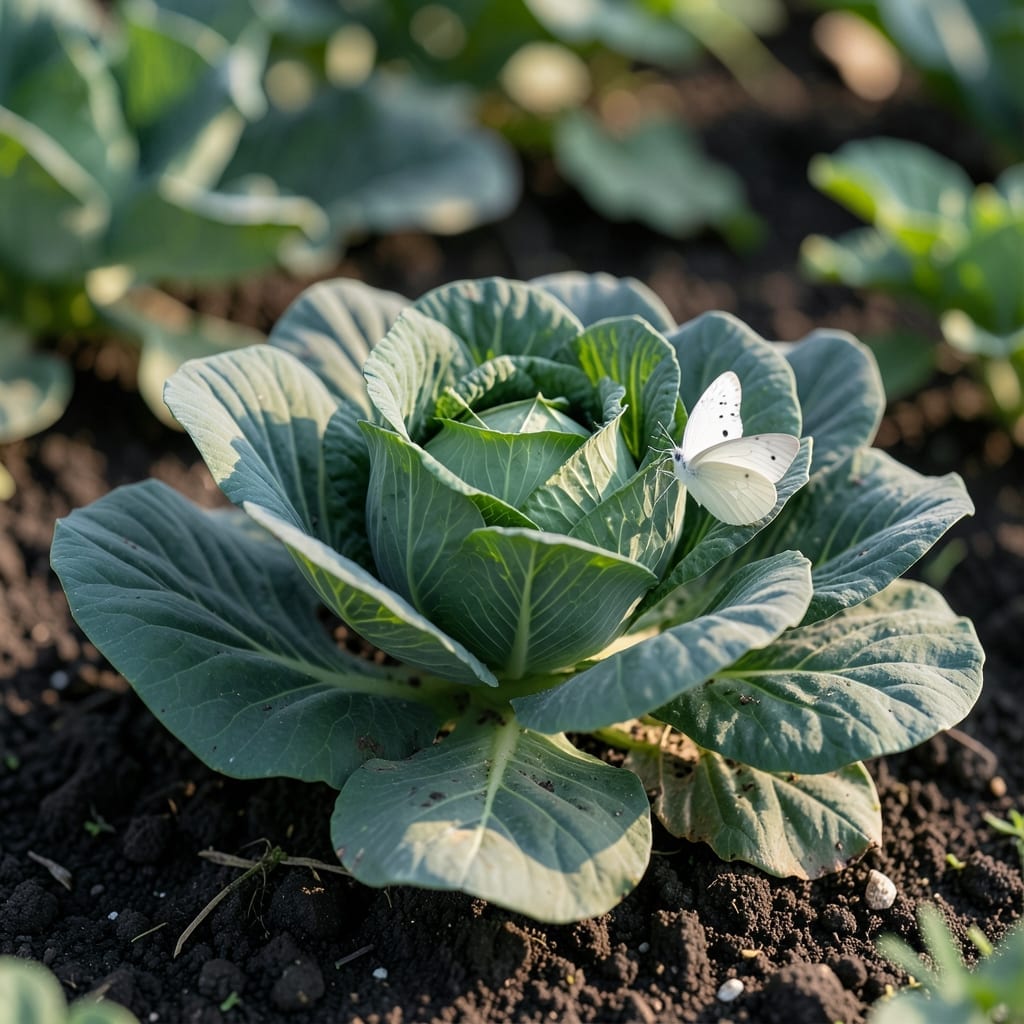
Those delicate white flutterers might be cabbage whites or small whites—common garden visitors that can wreak havoc on brassicas. I first noticed them when my kale leaves started looking like lace doilies.
They’re not just pretty; their caterpillars are voracious leaf-munchers. But before you reach for chemicals, know that natural solutions work just as well. A little observation tells you everything about their behavior and life cycle.
You’ll learn to spot their eggs on leaf undersides and take action before the caterpillars hatch. The key is timing—catch them early and your plants stay safe without harming beneficial insects.
Works for any garden size, from containers to large plots. Here’s how to keep them in check naturally.
The sudden presence of white butterflies in your garden is typically tied to environmental and ecological factors. These delicate insects, often Pieris rapae (cabbage whites) or Ascia monuste (great southern whites), thrive under specific conditions that your garden may unwittingly provide. Below are the primary reasons they’re flitting around your plants.
White butterflies are highly attracted to gardens with their favorite host plants. Cabbage whites, for instance, lay eggs on cruciferous vegetables like kale, broccoli, and cabbage, while great southern whites target mustard greens and nasturtiums. If your garden is rich in these, it’s a beacon for egg-laying females. Their larvae (caterpillars) then feed voraciously on the leaves, leading to visible damage.
White butterflies are cold-sensitive and proliferate in temperate to warm climates (60–85°F). Early spring or mild fall seasons trigger their migration and breeding cycles. If your region has had a stretch of unseasonably warm days, it’s likely accelerated their life cycle, causing a population boom in your garden.
These butterflies seek out damp, sheltered areas for protection and hydration. Overwatered soil, dense foliage, or even a nearby water source (like a birdbath) can create an ideal microhabitat. Additionally, gardens with mulch or leaf litter offer hiding spots for pupae, allowing them to mature undisturbed.
A garden with few birds, spiders, or parasitic wasps (natural predators of butterfly eggs and caterpillars) becomes a safe haven for white butterflies. If your space lacks biodiversity or uses broad-spectrum pesticides, you may inadvertently be rolling out the welcome mat for these pests.
If white butterflies are overrunning your garden, don’t panic—there are simple, natural ways to control their population without harming your plants or the environment. Below are targeted solutions for common causes, plus prevention tips to keep them from coming back.
White butterflies (like cabbage whites) lay eggs on brassicas (cabbage, kale, broccoli). Remove or cover vulnerable plants with fine mesh netting to block access. Rotate crops yearly to disrupt their lifecycle.
Prevention tip: 💡 Plant repellent herbs like mint, thyme, or rosemary near susceptible veggies—their strong scents deter butterflies.
Inspect leaves for yellow eggs or green caterpillars and remove them by hand (drop into soapy water). Encourage birds, ladybugs, and parasitic wasps—natural predators—that feed on eggs and larvae.
Prevention tip: 🎯 Install a birdbath or nest boxes to attract feathered allies to your garden.
Spray a mix of water, neem oil, and mild soap on leaves to disrupt feeding. For a stronger option, use Bacillus thuringiensis (Bt), a bacterial spray that targets caterpillars but is safe for other wildlife.
Prevention tip: ✨ Reapply after rain and focus on the undersides of leaves, where eggs often hide.
Adult butterflies feed on nectar from flowers like alyssum or marigolds. Reduce blooming plants near vegetable patches or replace them with less appealing varieties.
Prevention tip: 🌡️ Plant trap crops (like nasturtiums) away from your main garden to lure butterflies elsewhere.
Consistency is key—combine these methods for the best results, and your garden will thrive without unwanted guests!
Yes, their caterpillars can cause significant damage by eating leaves, especially on brassicas like cabbage and kale. Check leaf undersides for yellow eggs or green larvae.
Cabbage whites have 1-2 black spots on their wings, while great southern whites are solid white. Size also varies, with cabbage whites being smaller.
Handpick eggs and caterpillars daily, or use Bacillus thuringiensis (Bt) spray. Cover plants with fine mesh netting to prevent egg-laying.
Not if their host plants remain. Without intervention, they’ll continue breeding and damaging your garden.