
Beautiful Plants For Your Interior
Beautiful Plants For Your Interior
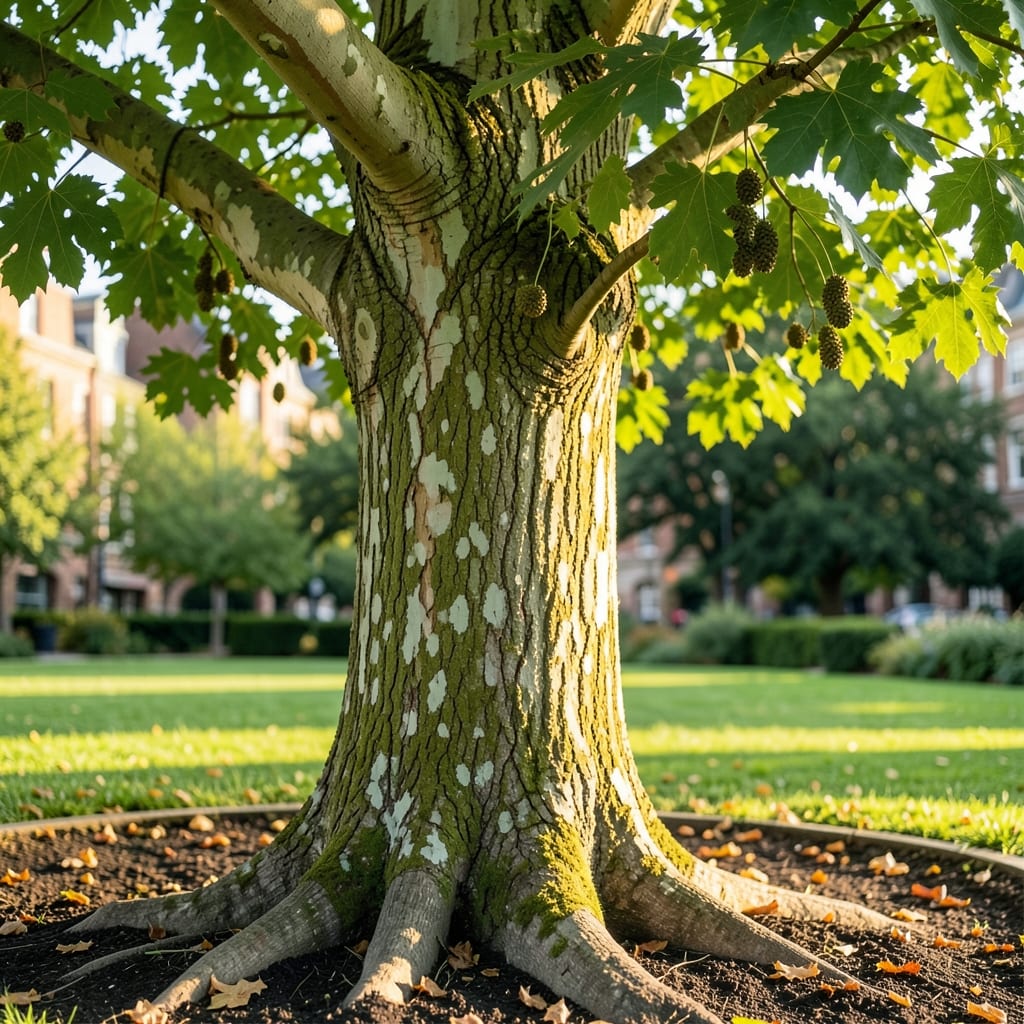
The white bark trees at Riviera Country Club are likely Sycamores, known for their distinctive peeling bark that reveals smooth, pale inner layers. These trees thrive in the club’s climate and add striking visual appeal.
I’ve noticed these trees stand out because their mottled bark sheds in patches, creating a natural mosaic effect that catches the eye. 🌟 Sycamores are particularly well-suited to the mild coastal climate of Southern California, where Riviera Country Club is located, and they’ve become a signature feature of the landscape.
💡 In This Article
The peeling process begins as the sycamore grows and its outer bark can’t expand with the tree. This creates cracks where the older, darker layers slough off in irregular patches, revealing the creamy white or light green inner bark beneath.
The result is a camouflage pattern of dark and light areas that makes these trees instantly recognizable. 🌟
What sets sycamores apart is their exfoliating pattern, which occurs year-round but accelerates during rapid growth periods in spring. The bark flakes off in large, paper-thin sheets rather than small scales, unlike birch trees which peel in horizontal strips.
This unique shedding mechanism helps the tree remove pollutants and lichens that might accumulate on its surface.
You’ll notice sycamore bark changes dramatically with age. Young trees start with smooth, grayish bark that begins peeling within their first few years. Mature specimens develop the classic mottled appearance, with some patches reaching up to 12 inches wide.
The contrast between the dark, rough outer bark and the smooth, pale inner layers creates a striking visual effect that’s especially dramatic in winter when leaves are absent.
The color variation isn’t just aesthetic—it serves a functional purpose. The white inner bark reflects sunlight, which helps prevent sunburn on the tree’s trunk. This adaptation is particularly valuable in sunny climates like Southern California, where Riviera Country Club’s sycamores can reach heights of 70-100 feet with trunks up to 4-6 feet in diameter. 🔥
For comparison, other white-bark trees like aspen have smooth, chalky white bark that doesn’t peel in the same dramatic fashion. Sycamores also develop distinctive seed balls that hang from branches in winter, adding another identifying feature that complements their unique bark pattern.
The outer bark can’t expand with the tree’s growth, causing it to crack and slough off in large patches. This reveals the smooth, pale inner bark beneath, creating that distinctive mottled look.
In ideal conditions like those at Riviera Country Club, sycamores can reach 70-100 feet tall. Their trunks often grow to 4-6 feet in diameter, making them impressive landscape features.
Early spring or fall are ideal, allowing roots to establish before extreme heat or cold. In Southern California, planting in late fall takes advantage of winter rains.
Yes, aspen and birch trees also have white bark, but theirs is smooth and doesn’t peel in the same dramatic fashion. Sycamores are unique for their patchy, exfoliating pattern.