
Beautiful Plants For Your Interior
Beautiful Plants For Your Interior
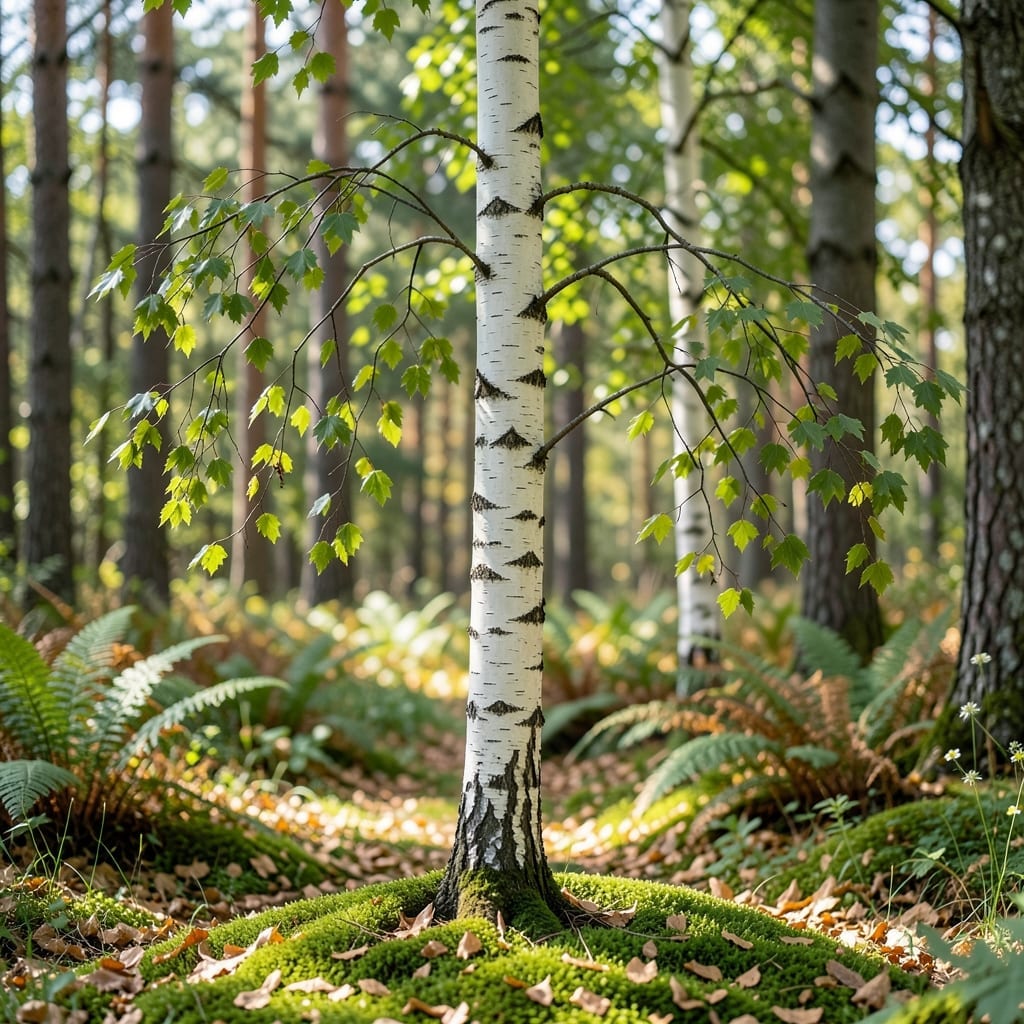
The white bare trees at Riviera Country Club are likely California Sycamores, known for their distinctive white, peeling bark that reveals smooth gray underneath, especially prominent in winter.
I’ve always admired how these towering trees create such a striking visual against the course’s greenery. Their bark naturally sheds in patches, which helps the tree stay healthy by removing old, damaged outer layers. This process also gives them that ghostly, white-barked appearance that stands out so dramatically during the colder months. 🔥
💡 In This Article
The white bark you notice is actually a natural exfoliation process called rhytidome shedding. California Sycamores shed their outer bark in large, papery sheets annually, leaving behind smooth, light-colored inner layers. This process helps the tree eliminate mosses, lichens, and pollutants that accumulate on its surface.
Native to California’s riparian zones, these trees thrive near water sources but adapt well to golf course irrigation systems. They typically grow 40-80 feet tall with spreading canopies, creating the dramatic silhouettes you see at Riviera.
The bark’s white appearance intensifies in winter when the tree is dormant and the contrast with bare branches is most striking. ✨
What makes this species particularly special is its role in the ecosystem. The peeling bark creates microhabitats for insects and small animals, while its large leaves provide significant shade. During autumn, the tree produces 1-inch diameter seed balls that hang in clusters, adding another layer of visual interest.
In Southern California landscapes, sycamores are prized for their year-round beauty. Their mottled white-and-gray trunks become more pronounced with age, developing deep furrows that add texture. The trees are also remarkably drought-tolerant once established, making them ideal for golf course environments. 🔥
The shedding process occurs most dramatically in late spring and early summer, when new growth pushes off the old bark. This timing ensures the tree’s surface stays clean and healthy during its most active growing period. The revealed inner bark starts as a creamy white before gradually weathering to gray over time.
California Sycamores naturally shed their outer bark in a process called rhytidome shedding, revealing smooth, white inner layers. This helps the tree stay healthy by removing old or damaged bark.
Yes! California Sycamores are native to riparian zones in the state. They thrive near water but adapt well to golf course irrigation systems, making them ideal for landscapes like Riviera Country Club.
The most dramatic shedding occurs in late spring and early summer. However, the white bark appearance is most striking in winter when the trees are dormant and bare.
California Sycamores can reach 40-80 feet tall with a 50-70 foot spread. Their towering height and broad canopies create the iconic silhouettes seen on the course.
Yes, species like Paper Birch and Ghost Gum also have white bark. However, California Sycamores are most common in Southern California and are known for their mottled, peeling appearance.