
Beautiful Plants For Your Interior
Beautiful Plants For Your Interior
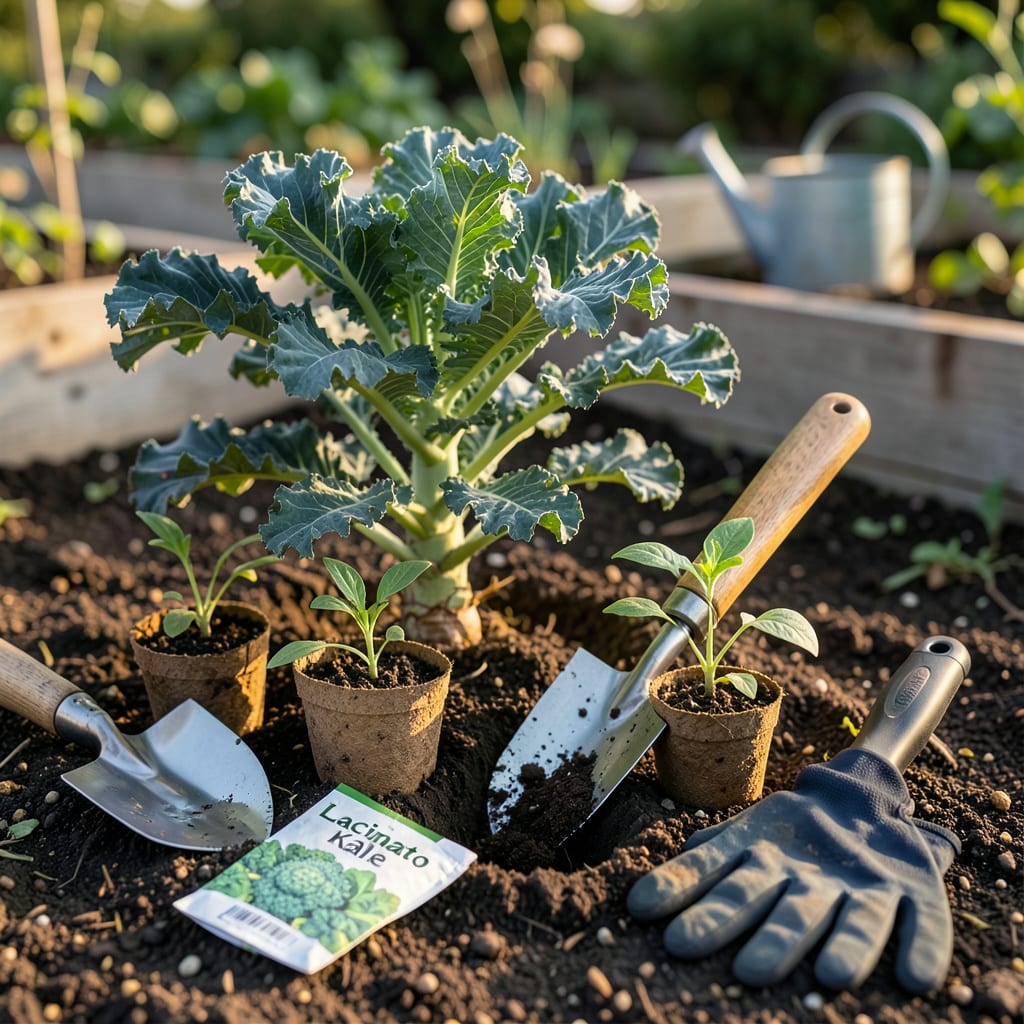
If you’ve ever watched your kale bolt into bitterness under the Southern California sun, you know timing isn’t just important—it’s everything. Our year-round growing season is a blessing, but that same endless summer can turn your 🥬 patch into a sad, flowery mess overnight.
The good news? With the right schedule, you can harvest sweet, tender leaves from fall through spring—and even sneak in summer crops with heat-resistant varieties. I’ll show you exactly when to plant for nonstop kale, whether you’re coastal or inland.
If you’re growing kale in Southern California, you’re in luck—our mild winters and long falls create the perfect conditions for this cool-season crop. But timing is everything to avoid summer’s scorching heat, which can turn your leaves bitter or trigger early bolting.
I’ve found that late summer through early spring is prime time, but the exact window depends on whether you’re near the coast or inland. Coastal gardeners get a longer season thanks to cooler temps, while inland areas need extra shade strategies.
| Season | Coastal Areas | Inland Areas | Key Tips |
|---|---|---|---|
| Late Summer | Aug–Sept | Sept–Oct | Start seeds indoors 6 weeks before transplanting |
| Fall | Oct–Nov | Oct–early Nov | Direct sow or transplant; use shade cloth if needed |
| Winter | Dec–Feb | Dec–Jan | Ideal for sweetest leaves; protect from rare frost |
| Spring | Feb–March | March | Last chance before summer heat arrives |
*Soil temp ideal: 50–75°F. Use 30% shade cloth for summer plantings.
For coastal gardeners, you can push the envelope and plant as early as August—the ocean breezes keep temps manageable. I’ve had great success with ‘Lacinato’ and ‘Red Russian’ varieties here, as they tolerate slight heat better than others.
Inland areas like the Inland Empire or San Fernando Valley need to wait until September or October when temps drop below 85°F. If you’re eager to start earlier, use shade cloth (I recommend 30-40% density) and plant in partial shade locations.
Winter is actually the sweet spot for kale in SoCal. The cooler temps (even our “mild” winters) enhance flavor and reduce pest pressure. I’ve harvested tender leaves through February with minimal effort—just keep the soil consistently moist.
Spring plantings are tricky but doable if you act early. Aim for February to early March to get a harvest before the June heatwave hits. Pro tip: Use transplants instead of seeds to speed up the process and beat the heat.
If you miss the spring window, don’t worry—you can still grow kale in summer with extra care. I’ve had success by planting in self-watering containers, using drip irrigation, and placing pots in morning sun/afternoon shade spots.
Remember, kale is a cut-and-come-again crop. Harvest the outer leaves first, leaving the center to keep producing. With proper timing, you can enjoy fresh kale from your garden for 8–10 months of the year in Southern California! 🌱
For the most reliable results, I always recommend checking your local microclimate. Tools like the UC Master Gardener Program’s resources or a simple soil thermometer can help you fine-tune your planting dates based on real-time conditions. 🌿
Not all kale is created equal when it comes to Southern California’s heat. After years of testing, I’ve found that some varieties handle our warm winters and mild summers far better than others. The key is choosing types bred for bolt resistance and heat tolerance.
My top three picks? ‘Lacinato’ (aka Dinosaur Kale), ‘Red Russian’, and ‘Winterbor’. Each brings something unique to the table—whether it’s sweet flavor, rugged durability, or fast growth. Let’s break down why these stand out in our USDA Zone 10a climate.
| Variety | Heat Tolerance | Days to Harvest | Best For |
|---|---|---|---|
| Lacinato (Dinosaur) | ⭐⭐⭐⭐ | 60–65 days | Hot climates, texture lovers |
| Red Russian | ⭐⭐⭐⭐⭐ | 50–55 days | Fast harvests, sweet flavor |
| Winterbor | ⭐⭐⭐ | 60–70 days | Cold snaps, curly leaves |
*All varieties thrive in well-draining soil with consistent moisture. Space plants 12–18 inches apart.
‘Lacinato’ is my go-to for inland areas because its bumpy, dark green leaves hold up better in 85°F+ temps than most. It’s slower to bolt, and the flavor actually improves with light frost—though that’s rare in SoCal!
If you’re impatient like me, ‘Red Russian’ is your best bet. It matures in just 50 days and has a milder, sweeter taste that’s perfect for salads. The flat leaves are also easier to clean after rain. I’ve grown this successfully even in partial shade during summer.
‘Winterbor’ is the underdog for coastal gardeners. While it’s not as heat-tolerant as the others, its ruffled leaves and cold hardiness make it ideal for winter harvests. It’s less likely to suffer from aphid damage too, which is a bonus.
Pro tip: For year-round kale, I succession plant these varieties. Start ‘Red Russian’ in late summer for quick fall harvests, then follow with ‘Lacinato’ in early winter for a steady supply through spring. 🌿
Even with perfect timing, kale can fail in Southern California if you overlook key details. I’ve seen gardeners struggle with bitter leaves, stunted growth, and premature bolting—all avoidable with the right know-how. Let’s tackle the biggest pitfalls and how to sidestep them.
The most common issue? Heat stress. When temps climb above 80°F, kale reacts by bolting (sending up flower stalks) or turning tough and bitter. But don’t worry—I’ve got fixes for that and other SoCal-specific challenges.
If your kale is bolting early, it’s likely getting too much heat. In inland areas, I combat this by planting in partial shade (especially afternoon shade) and using drip irrigation to keep roots cool. Coastal gardeners can often plant in full sun year-round, but watch for heatwaves.
Watering mistakes are another big issue. Kale needs consistent moisture—not soggy soil, but never bone-dry. I water my plants every 3-5 days in mild weather, ramping up to daily checks in summer. A 2-inch layer of mulch helps retain moisture and keeps roots cool.
Pests like aphids and cabbage worms love SoCal kale. I’ve found that companion planting with herbs like thyme or dill deters pests naturally. For severe infestations, a soapy water spray (1 tsp mild soap per quart of water) works wonders without harsh chemicals.
Finally, don’t overlook soil health. Kale thrives in well-draining, nitrogen-rich soil. I amend my beds with compost before planting and side-dress with a balanced fertilizer (like 10-10-10) every 4-6 weeks. Avoid heavy clay? Try raised beds or containers for better control. 🌿
Yes, but with adjustments! Coastal areas can grow nearly year-round, while inland regions should avoid peak summer (June–July). Use shade cloth and heat-tolerant varieties like ‘Red Russian’ for summer crops.
Plant in partial shade (especially afternoon) and use 30-40% shade cloth. Mulch heavily to keep roots cool, and water deeply every 2-3 days. Drip irrigation works better than overhead watering.
Choose containers at least 12 inches deep with drainage holes. Use potting mix with compost, and water more frequently (containers dry out faster). ‘Dwarf Blue Curled’ is a great compact variety.
Bitterness usually comes from heat stress or older leaves. Harvest younger leaves (under 12 inches) and provide afternoon shade. Winter-grown kale is naturally sweeter due to cooler temps.
Plant companion herbs like thyme or dill nearby. Spray with neem oil or soapy water (1 tsp mild soap per quart) weekly. Attract beneficial insects like ladybugs with marigolds.
