
Beautiful Plants For Your Interior
Beautiful Plants For Your Interior
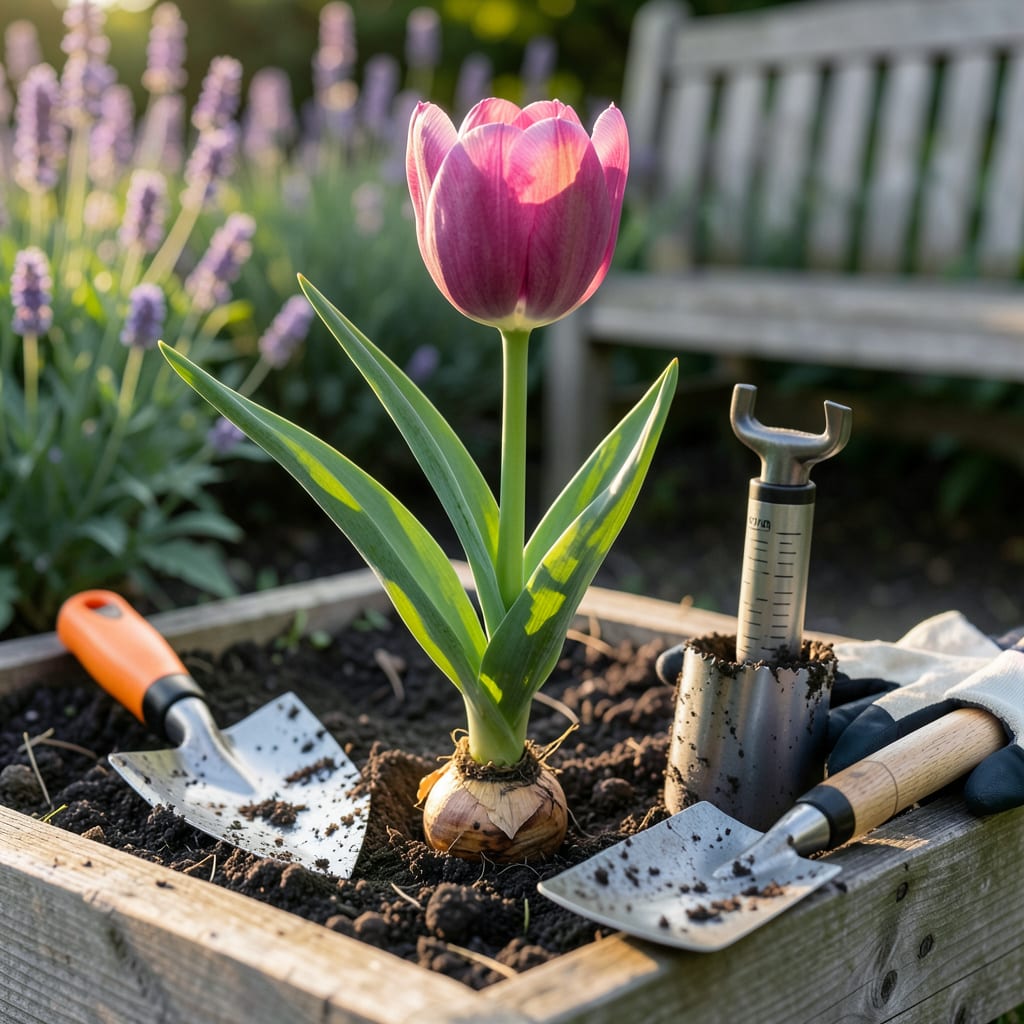
Southern California gardeners know the frustration: tulip bulbs that refuse to bloom or sprout at the wrong time. The problem isn’t your green thumb—it’s timing. Our mild winters and hot summers demand a different approach than traditional fall planting advice.
After testing methods across zones 8-10, I’ve nailed the exact window for vibrant 🌷 tulips. Whether you’re in coastal fog or inland heat, I’ll show you how to outsmart the climate—including why pre-chilled bulbs are your secret weapon. Let’s get it right this year.
Southern California’s mild winters can trick gardeners into planting tulips too early or late. Unlike colder regions, our USDA zones 8-10 need a tailored approach. Traditional fall planting advice doesn’t apply here—our soil temperatures often stay above 60°F well into November, which can cause premature sprouting.
I’ve found the sweet spot for planting tulip bulbs in SoCal is between mid-October and early December. Coastal areas like San Diego can push planting to late December, while inland zones (like Riverside) should aim for October to November to avoid heat stress. The key is waiting until soil temps drop below 60°F.
| Region | USDA Zone | Planting Window | Soil Temp Threshold | Notes |
|---|---|---|---|---|
| Coastal (LA, SD) | 10 | Nov–Dec | Below 60°F | Plant later; cooler coastal temps |
| Inland (Riverside, OC) | 9 | Oct–Nov | 55–60°F | Hotter summers; plant earlier |
| High Desert (Palmdale) | 8 | Oct–early Nov | 50–55°F | Cold winters; mulch heavily |
If you’re in zone 10 (like San Diego), you’ll likely need pre-chilled bulbs since natural winter chill hours are insufficient. These bulbs are refrigerated for 8–12 weeks before planting to mimic a cold winter. Without chilling, tulips may produce weak stems or fail to bloom entirely.
For zones 8-9, natural chilling is usually adequate, but inland gardeners should monitor microclimates. A sunny south-facing bed might warm up too fast, while north-facing spots stay cooler longer. I recommend using a soil thermometer to check temps at 6-inch depth—this is where bulbs will reside.
Pro tip: If your area has Santa Ana winds in fall, plant bulbs after the first major wind event. These dry, hot winds can desiccate freshly planted bulbs. Once planted, water deeply to settle soil, then mulch with 2–3 inches of straw or shredded bark to insulate against temperature swings.
What if you miss the window? Don’t panic! You can still plant bulbs in January or February, but you’ll need to refrigerate them for 6–8 weeks first. This trick works for Darwin Hybrid or Fosteriana tulips, which are more forgiving in warmer climates. Just avoid late-blooming varieties like parrot tulips—they need more chill time.
Remember, tulips in SoCal are often treated as annuals rather than perennials. Our lack of freezing winters means bulbs rarely naturalize well. For reliable blooms year after year, plan to lift and chill bulbs each summer or replant fresh pre-chilled bulbs every fall.
Coastal gardeners have an advantage with cooler summers, but inland areas must be strategic. If you’re in the Inland Empire, consider planting bulbs in partial shade to protect them from late-winter heatwaves. A spot with morning sun and afternoon shade is ideal for prolonging bloom time.
Finally, don’t forget to label your bulbs! It’s easy to lose track of varieties when planting in stages. I use color-coded popsicle sticks to mark early, mid, and late bloomers—this helps me plan for a staggered spring display that lasts weeks instead of days. 🌷
Getting tulips to thrive in Southern California starts long before you dig the first hole. Our warm climate demands extra prep work that gardeners in colder zones can skip. I’ve learned the hard way that cutting corners here means weak blooms or no flowers at all. Let’s break down the must-do steps.
First, chill your bulbs if you’re in zone 10 or planting late in the season. Most tulips need 12–16 weeks of temperatures below 45°F to trigger blooming. Since SoCal winters rarely stay that cold, I refrigerate bulbs in mesh bags for 8–12 weeks before planting. Avoid storing them near fruit—ethylene gas can damage the embryos!
Next, focus on soil preparation. Tulips despise wet feet, so drainage is non-negotiable. I dig my planting beds 12–15 inches deep and mix in coarse sand and aged compost. If your soil is heavy clay, consider planting in raised beds or containers. A 2-inch layer of mulch (like shredded bark) helps regulate soil temperature and moisture.
Sunlight is another make-or-break factor. Inland gardeners should prioritize full sun (6+ hours), but coastal areas can get away with morning sun and afternoon shade. I’ve had the best luck with east-facing beds—they warm up gently in the morning but avoid the harsh afternoon heat that can scorch emerging shoots.
Here’s a mistake I see all the time: planting bulbs too shallow. In SoCal, aim for a depth of 6–8 inches (measure from the bulb’s base). This extra depth helps insulate bulbs from our temperature swings. Space bulbs 4–6 inches apart, and if you’re planting in containers, use pots at least 12 inches deep with drainage holes.
Finally, water wisely. After planting, give bulbs a deep soak to settle the soil, then back off. Overwatering is the #1 killer of tulips in our region. I water once every 10–14 days unless we get rain. Once shoots emerge in late winter, increase to weekly watering, but let the soil dry slightly between sessions. A drip irrigation system on a timer takes the guesswork out of this.
Pro tip: If you’re planting pre-chilled bulbs in January or February, soak them in lukewarm water for 12 hours before planting. This jumpstarts root growth. And don’t forget to fertilize lightly with a 5-10-10 bulb food at planting time—this gives them the phosphorus boost they need for strong roots and vibrant blooms. 🌷
Not all tulips are created equal—especially in Southern California. Our mild winters and warm springs demand varieties that can handle less chill time and more heat. After testing dozens of cultivars, I’ve found the best performers for our unique climate, plus a few to skip entirely.
For zone 10 gardeners (think San Diego and coastal LA), focus on pre-chilled Darwin Hybrids like ‘Apeldoorn’ or ‘Pink Impression’. These powerhouses bloom reliably with just 8–10 weeks of chilling and withstand our late-season heat. Inland gardeners in zones 8-9 can try Fosteriana tulips (e.g., ‘Red Emperor’), which naturalize better in warmer winters.
If you’re planting in containers, opt for Kaufmanniana or Greiglii tulips. Their compact size (just 6–12 inches tall) makes them perfect for patios, and they require less chilling than standard varieties. I’ve had great success with ‘Heart’s Delight’ in shallow pots—just ensure excellent drainage with a mix of cactus soil and perlite.
For cut flower gardens, prioritize Darwin Hybrids and Triumph tulips (like ‘Gavota’). These varieties produce long, sturdy stems that hold up in our spring winds. Avoid frilly or double-petaled types—they’re gorgeous but often collapse in the heat before fully opening.
Here’s a pro tip: Pair your tulips with companion plants that hide fading foliage. I love combining them with California poppies or salvia, which thrive in our climate and bloom as tulip leaves yellow. This keeps your garden looking lush even after the tulips finish their show. 🌷
Planting too early (before soil cools to 60°F) often causes premature sprouting. The tender shoots may emerge in winter only to be damaged by Santa Ana winds or late heatwaves. Coastal gardeners have slightly more flexibility, but inland areas should strictly wait until October-November.
You can try, but results vary. Zone 9 winters sometimes provide enough natural chill (10-12 weeks below 45°F), but inconsistent cold snaps may lead to weak stems or blind bulbs. For guaranteed blooms, refrigerate bulbs for 8 weeks before planting. Pre-chilled varieties like ‘Apeldoorn’ perform most reliably.
In heavy clay, plant 1 inch shallower than usual (5-7 inches deep) to prevent rot. Amend the hole with 50% coarse sand and 50% compost to improve drainage. Consider raised beds if your soil stays soggy after rain. Always plant pointy-end up!
Our mild winters often fail to replenish bulbs’ energy reserves. Most tulips act as annuals in SoCal unless you dig them up post-bloom, store in a cool, dry place (60°F), and replant in fall. Alternatively, plant naturalizing varieties like Fosteriana ‘Red Emperor’ for better longevity.
Use 2-3 inches of shredded bark or straw—these insulate soil while allowing airflow. Avoid plastic sheeting or dense compost, which can trap heat. In Riverside/San Bernardino, add a light-colored mulch to reflect sunlight and keep roots cooler. Replenish mulch after winter rains.
