
Beautiful Plants For Your Interior
Beautiful Plants For Your Interior
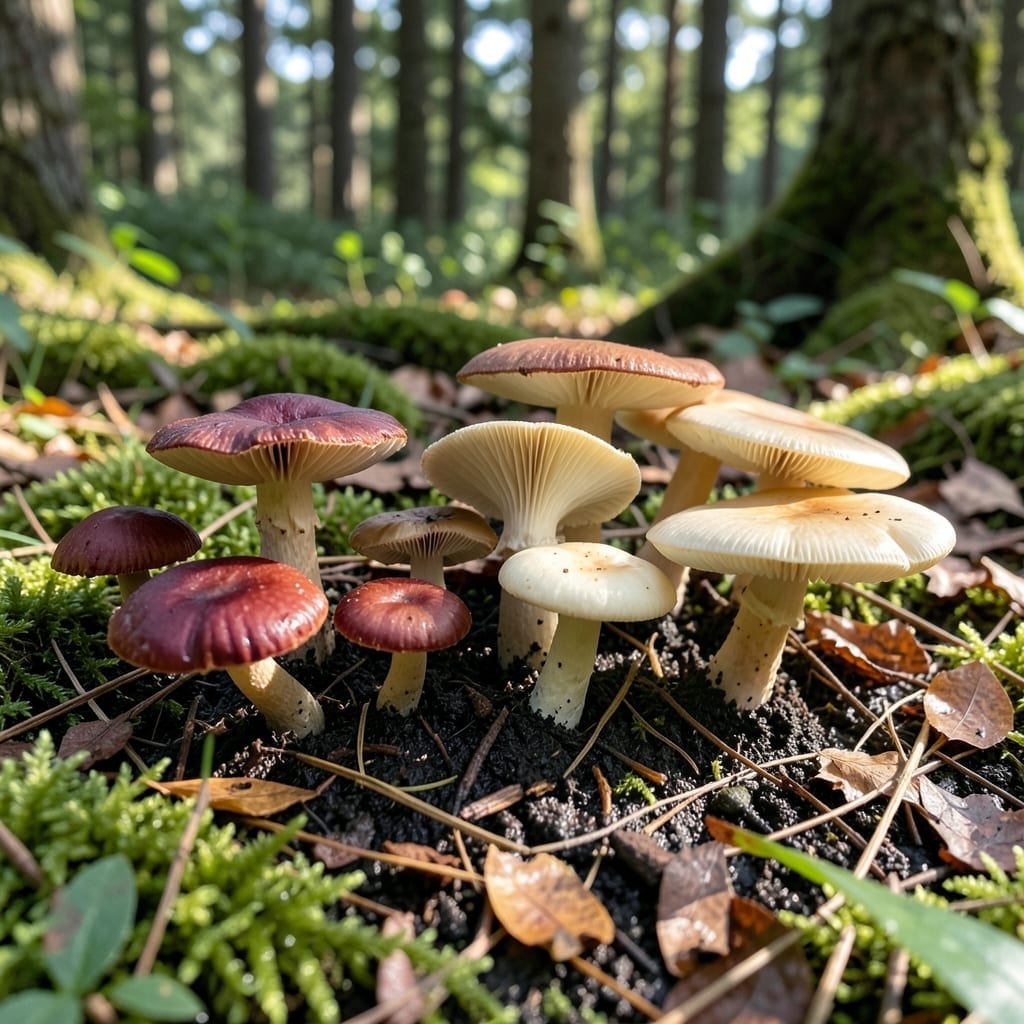
Those strange fungi popping up overnight aren’t just random—they’re nature’s way of recycling. I’ve seen my fair share of odd mushrooms appear after heavy rain, and most are harmless decomposers breaking down organic matter in your soil.
Here’s the thing—some can be toxic, especially to pets and kids. The key is learning to spot the difference between beneficial varieties and the ones that need immediate removal. A good rule: never eat or touch what you can’t positively identify.
You’ll notice they thrive in damp, shady spots with rich organic material. While most won’t harm your plants, a few aggressive types can spread quickly. The solution often starts with improving drainage and removing decaying wood or leaves.
Fair warning: some mushrooms return year after year. But with the right approach, you can manage them safely and even appreciate their role in your garden’s ecosystem.
Mushrooms suddenly appearing in your garden are a sign of nature at work. 🌱 These fungi thrive in specific conditions, and their presence often points to underlying factors in your soil or environment. Here’s a breakdown of the most common causes:
Mushrooms are nature’s recyclers. They flourish in soil rich in decomposing organic material, such as wood chips, compost, or dead roots. When organic matter breaks down, it creates the perfect food source for fungal growth. If you’ve recently added mulch, leaves, or other plant debris, this could be the trigger.
Fungi love damp environments. Overwatering, poor drainage, or consistent rainfall can create the ideal moist conditions for mushrooms to sprout. If your garden retains water or has areas of standing water, it’s a prime spot for these organisms to thrive.
Warm, humid weather accelerates fungal growth. Mushrooms often appear in late summer or early fall when temperatures are mild and humidity is high. Shaded areas or spots with limited airflow can also contribute to their development.
Many mushrooms are the fruiting bodies of extensive underground fungal networks called mycelium. If your garden has existing mycelium in the soil, it can produce mushrooms when conditions are right. This is especially common in gardens with a history of organic matter or previous fungal activity.
Understanding these causes can help you manage or even prevent unwanted mushroom growth in your garden.
If weird mushrooms are popping up in your garden, don’t panic—removing them safely is straightforward. Here’s how to tackle the most common causes and prevent future growth.
Mushrooms thrive in damp, shaded areas. Fix it: Reduce watering frequency and ensure your garden has proper drainage. Install a simple French drain or add organic matter like compost to improve soil structure. If the area stays soggy, consider redirecting downspouts or grading the soil to slope away from the garden.
Prevention tip: 💡 Water plants in the morning so excess moisture evaporates during the day, and avoid over-mulching, which traps moisture.
Mushrooms often sprout from rotting wood, leaves, or old roots. Fix it: Remove any decaying plant material, stumps, or wood chips from the garden bed. Rake up fallen leaves and compost them far from your garden to avoid reinfestation.
Prevention tip: ✨ Regularly turn your compost pile to speed up decomposition and discourage mushroom growth.
If your soil is naturally high in fungi, a natural fungicide can help. Fix it: Mix 1 tablespoon of baking soda and a few drops of dish soap in a gallon of water, then spray the affected area. Alternatively, apply a layer of cornmeal (a natural antifungal) to the soil.
Prevention tip: 🎯 Rotate crops annually to disrupt fungal cycles and keep your garden soil healthy.
Sometimes, mushrooms hitch a ride in mulch. Fix it: Remove the infected mulch and replace it with fresh, high-quality mulch. Opt for cedar or pine bark, which are less prone to fungal growth.
Prevention tip: 🌡️ Store mulch in a dry, well-ventilated area before use to prevent spores from taking hold.
Avoid handling unknown mushrooms—some can cause skin irritation or allergic reactions. Always wear gloves if you must remove them, and wash your hands thoroughly afterward.
Most garden mushrooms are harmless to plants and actually help break down organic matter. However, a few aggressive types can compete for nutrients. Remove them if they spread quickly.
Improve drainage, remove decaying wood or leaves, and reduce excess moisture. A layer of cornmeal or baking soda solution can act as a natural deterrent.
Only if you’re certain they’re non-toxic. Many garden varieties are safe, but when in doubt, dispose of them in the trash to avoid spreading spores.