
Beautiful Plants For Your Interior
Beautiful Plants For Your Interior
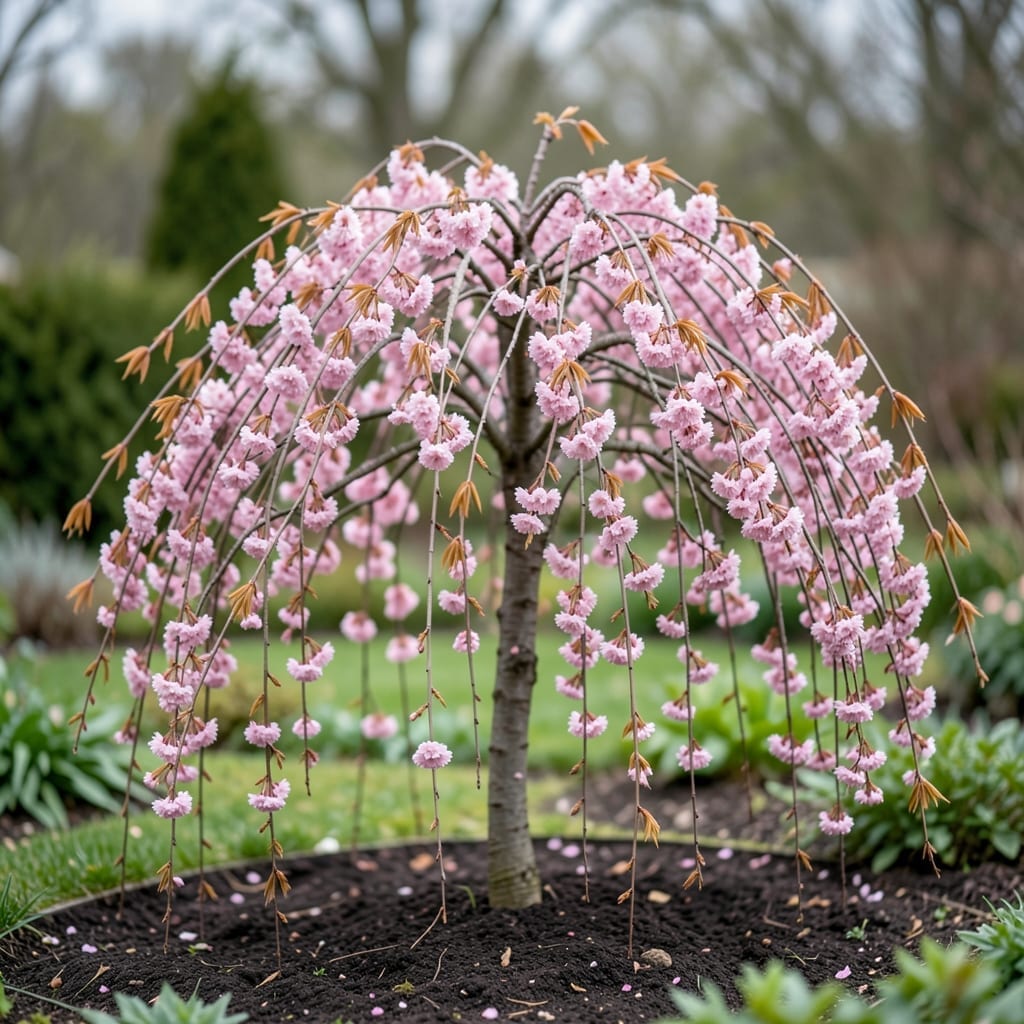
The graceful Weeping Cherry Tree 🌸 transforms any garden into a serene retreat, but its size can surprise you. Many assume these trees stay small, yet some varieties reach 25 feet tall.
Understanding growth patterns helps you plan the perfect landscape. Whether you have a compact yard or spacious property, there’s a weeping cherry to fit your vision.
Let me walk you through the height variations and how to match them to your space. You’ll discover which cultivar works best for your garden’s scale.

The weeping cherry tree comes in various sizes, from compact dwarf varieties to towering specimens. I’ve seen gardeners surprised when their “small” tree reaches 20 feet tall at maturity.
Most standard cultivars like Prunus subhirtella ‘Pendula’ grow 15-25 feet tall with a similar spread. Their cascading branches create a stunning focal point in any landscape.
| Variety Type | Mature Height | Ideal Use |
|---|---|---|
| Dwarf | 4-8 ft | Containers, small gardens |
| Semi-Dwarf | 8-12 ft | Medium landscapes |
| Standard | 15-25 ft | Lawns, parks |
| Large | 25-40 ft | Spacious properties |
Dwarf varieties like ‘Snow Fountains’ stay under 8 feet, perfect for patios or small yards. Their compact size makes them ideal for container gardening on balconies.
Semi-dwarf types typically reach 10-12 feet tall. These work well in suburban front yards where space is limited but you still want dramatic spring blooms.
Standard weeping cherries are the most common. With heights of 15-25 feet, they provide shade and vertical interest without overwhelming most residential lots.
The tallest varieties can approach 40 feet in ideal conditions. These grand specimens need ample space to showcase their full weeping form and extensive branch spread.
Growth rates vary by climate and care. In optimal conditions with full sun and well-draining soil, expect your tree to grow 1-2 feet per year until maturity.
Soil quality significantly impacts height. Poor, compacted soil may stunt growth, while rich, loamy soil encourages vigorous development. I always recommend amending planting sites with compost.
Pruning affects final height too. Regular summer pruning can control size, while minimal pruning allows natural growth.
Choose your variety based on available space. A 15-foot tree needs about 10 feet clearance from structures. Always check mature dimensions before planting to avoid future issues.
Managing the height of your weeping cherry starts with smart variety selection. I always recommend choosing a cultivar that naturally fits your space to minimize future pruning.
For existing trees, proper pruning is your best tool. I’ve found that summer pruning slows growth more effectively than spring cuts, helping you maintain control over size.
Container growing works well for dwarf weeping cherries. I’ve successfully kept a ‘Snow Fountain’ at 6 feet tall in a large pot for years with annual root pruning.
Root restriction is another effective method. Installing root barriers 3-4 feet from the trunk can limit both height and spread without harming the tree.
Remember that pruning timing matters. Winter pruning encourages vigorous spring growth, while summer pruning has a dwarfing effect. I prefer the latter for height control.
For drastic size reduction, consider renewal pruning. This involves cutting back hard every few years, but it sacrifices blooms for a season while the tree recovers. 🌳