
Beautiful Plants For Your Interior
Beautiful Plants For Your Interior
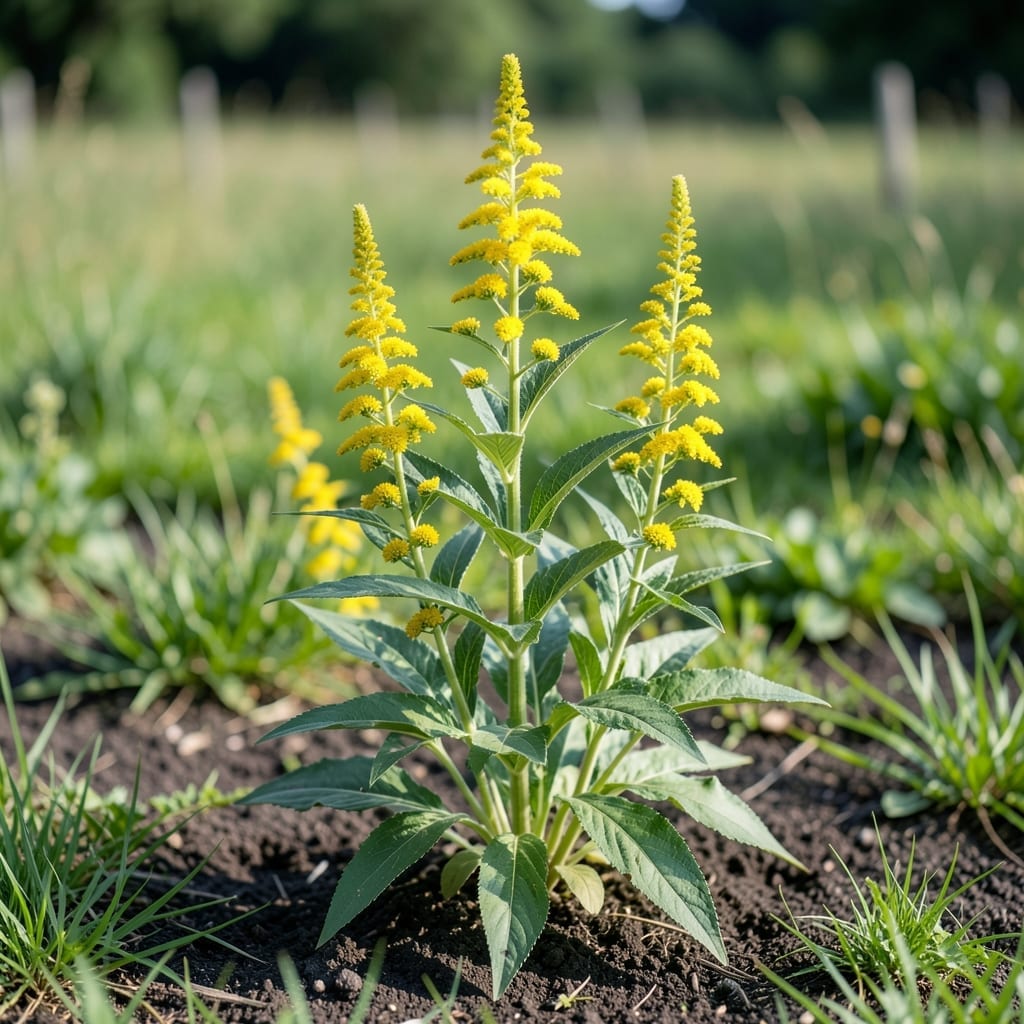
Those little yellow balls popping up in your lawn or garden beds aren’t flowers—they’re likely bittercress or clover weeds ready to spread. I’ve spent too many weekends pulling these invaders by hand, only to see them return stronger.
The yellow spheres are seed pods, and once they burst, hundreds of new plants can sprout. They thrive in bare soil, thin lawns, or areas with poor drainage. The good news? You can stop them before they take over.
Hand-pulling works for small patches, but for larger areas, a vinegar-based spray or corn gluten meal can prevent new growth. Consistency is key—tackle them early, before those pods mature.
With the right approach, you’ll reclaim your space and keep it weed-free for the season. Here’s how to spot them and shut them down for good.
Those yellow ball-like weeds often appear due to specific environmental and biological factors. Understanding the root causes helps you prevent and manage their spread effectively.
Many yellow ball weeds, such as Sphagneticola trilobata (Creeping Oxeye), thrive in nitrogen-rich soils. Over-fertilizing lawns or gardens with high-nitrogen products creates an ideal environment for these weeds. They outcompete grass and ornamental plants by rapidly absorbing the excess nutrients.
Waterlogged soil encourages the growth of moisture-loving weeds like Hydrocotyle umbellata (Manyflower Marshpennywort), which can produce yellow, ball-like flower clusters. Compacted or clay-heavy soils trap water, creating the perfect breeding ground for these invasive species.
Weeds such as Galinsoga quadriradiata (Shaggy Soldier) flourish in open, sunny areas. These fast-growing plants produce small yellow ball-shaped flowers and spread aggressively in gardens with ample sunlight and minimal competition from shade-tolerant plants.
Empty garden patches or recently tilled land are prime spots for yellow ball weeds like Bidens pilosa (Common Beggarticks). Their seeds lie dormant in the soil and germinate quickly when exposed to light and air, often after soil disturbance from gardening or construction activities.
If you’ve spotted weeds with yellow balls in your garden, don’t panic—here’s how to tackle them effectively. The key is to act early, before they spread and take over your space. Below are practical solutions for common causes, along with tips to keep them from coming back.
Fix: Hand-pull small clusters or use a weeding tool to remove the roots entirely. For larger infestations, apply a selective broadleaf herbicide labeled for your grass type. Spot-treat to avoid harming surrounding plants.
Prevention: Maintain a thick, healthy lawn by mowing high (3–4 inches) and fertilizing regularly. Overseed bare spots in early fall to outcompete weeds.
Fix: Pull weeds by hand or use a hoe to sever roots at soil level. For stubborn plants, smother them with cardboard or landscape fabric topped with mulch. Avoid tilling, which can spread seeds.
Prevention: Apply a 2–3 inch layer of organic mulch (wood chips or straw) to block sunlight. Replenish mulch annually.
Fix: Create a barrier using edging or a trench to halt creeping roots. If seeds blow in, remove new growth immediately before they flower and set more seeds.
Prevention: Plant dense ground covers like clover or creeping thyme along property lines to crowd out invaders.
💡 Pro Tip: Always dispose of pulled weeds in a sealed bag—not in compost—to prevent regrowth. Early intervention saves hours of work later!
No, they’re seed pods that burst to spread new plants. These structures form after the tiny flowers fade, so removing them early prevents future growth.
Pull plants before pods mature or use 2–3 inches of mulch to block sunlight. For lawns, maintain thick grass through proper mowing and fertilizing.
Never compost seed-bearing weeds—they’ll sprout in your pile. Seal them in a bag for trash instead to prevent regrowth.
Dormant seeds in soil can germinate for years. Disturbing soil or overwatering triggers new growth, so address the root cause first.