
Beautiful Plants For Your Interior
Beautiful Plants For Your Interior
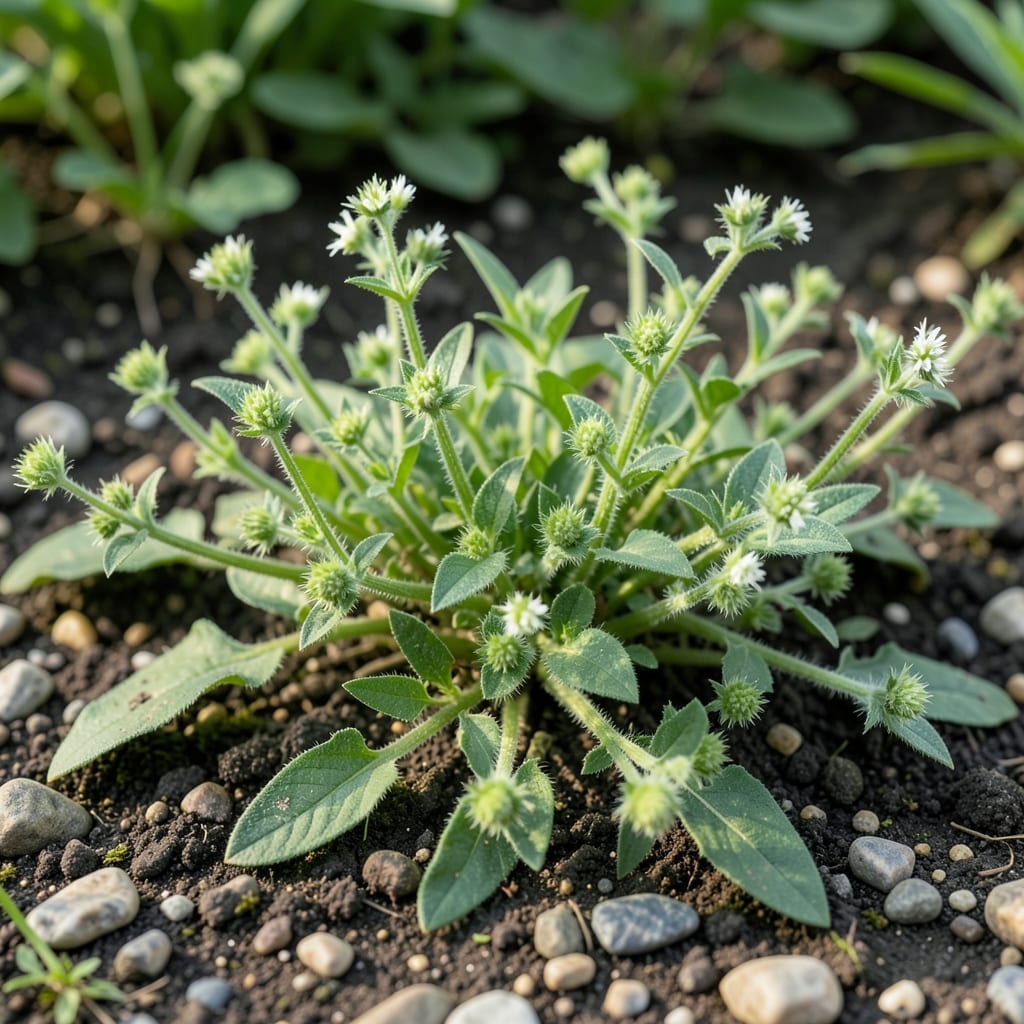
Those sticky seed pods cling to everything—clothes, pet fur, your hair. I’ve spent too many afternoons picking them off my socks after weeding. These weeds spread aggressively, and their seeds hitch rides everywhere, making them a garden nuisance.
Stickseed and agrimony are the usual culprits. They thrive in disturbed soil and can overrun flower beds in a single season. The key is catching them early, before they set seed and turn your garden into a Velcro factory.
Removal is straightforward: pull them before they flower, and dispose of plants in a sealed bag. A quick daily check prevents weeks of frustration later. Gloves help—trust me.
Prevent future outbreaks by mulching bare soil and keeping garden edges tidy. A little effort now saves you from sticky surprises next year.
Sticky seed pods on weeds are a clever survival tactic honed by evolution. Here’s why it happens:
Many weeds produce sticky seed pods to hitchhike on animals, humans, or tools. The stickiness comes from mucilaginous compounds—natural adhesives that help seeds cling to fur, clothing, or garden equipment. This increases their chances of being transported to new locations where they can germinate.
Some sticky coatings serve a dual purpose: they help seeds retain moisture during dry periods. The gel-like substance absorbs water from the air, creating a micro-environment that keeps the seed viable until conditions for growth improve.
The stickiness can deter insects or small animals from eating the seeds. The unpleasant texture or taste of the adhesive layer makes the pods less appealing, ensuring more seeds survive to sprout.
Certain weeds, like cleavers (Galium aparine) or stickseed (Hackelia), produce sticky substances due to polysaccharides and glycoproteins in their seed coats. These compounds are hydrophilic (water-attracting), which enhances their stickiness when exposed to humidity or dew.
Dealing with weeds that cling with sticky seed pods can be frustrating, but these targeted solutions will help you reclaim your garden. Below are practical fixes for common causes, along with prevention tips to keep them from returning.
Sticky seed pods thrive in neglected areas. Pull weeds by hand before they flower and set seed, using gloves to avoid skin irritation. For large patches, a hoe or hand weeder can uproot them efficiently. Check beds weekly to catch new growth early.
Prevention tip: 💡 Mulch heavily with organic material (e.g., straw or wood chips) to block sunlight and suppress weed growth.
Weeds often invade compacted or nutrient-poor soil. Loosen the soil with a garden fork and mix in compost to improve drainage and fertility. Healthy soil encourages strong plant growth, which naturally crowds out weeds.
Prevention tip: 🌡️ Test your soil annually and amend it as needed to maintain a balanced pH and nutrient levels.
Overwatering can create ideal conditions for sticky seed pod weeds. Water deeply but less frequently to encourage deep root growth in desired plants. Use drip irrigation to target water at the base of plants, avoiding weed seeds.
Prevention tip: ✨ Install a rain gauge to monitor natural rainfall and adjust your watering schedule accordingly.
Seed pods often hitch a ride on animals. Trim weeds before they produce seeds and inspect pets after outdoor time. For persistent issues, install low fencing or use ground covers like clover to deter wildlife.
Prevention tip: 🎯 Place a sticky seed trap (e.g., a strip of duct tape) near garden edges to catch stray seeds.
The pods produce natural adhesives like polysaccharides that cling to surfaces. This helps seeds travel on animals or tools to new growing spots.
Pull plants before they flower, wearing gloves to avoid skin contact. Use a hoe for large patches, and always dispose of plants in sealed bags.
Apply thick mulch to block sunlight and inspect pets after outdoor time. A weekly garden check catches new growth early.
They compete aggressively for nutrients and space. Left unchecked, they can overrun flower beds in a single season.