
Beautiful Plants For Your Interior
Beautiful Plants For Your Interior
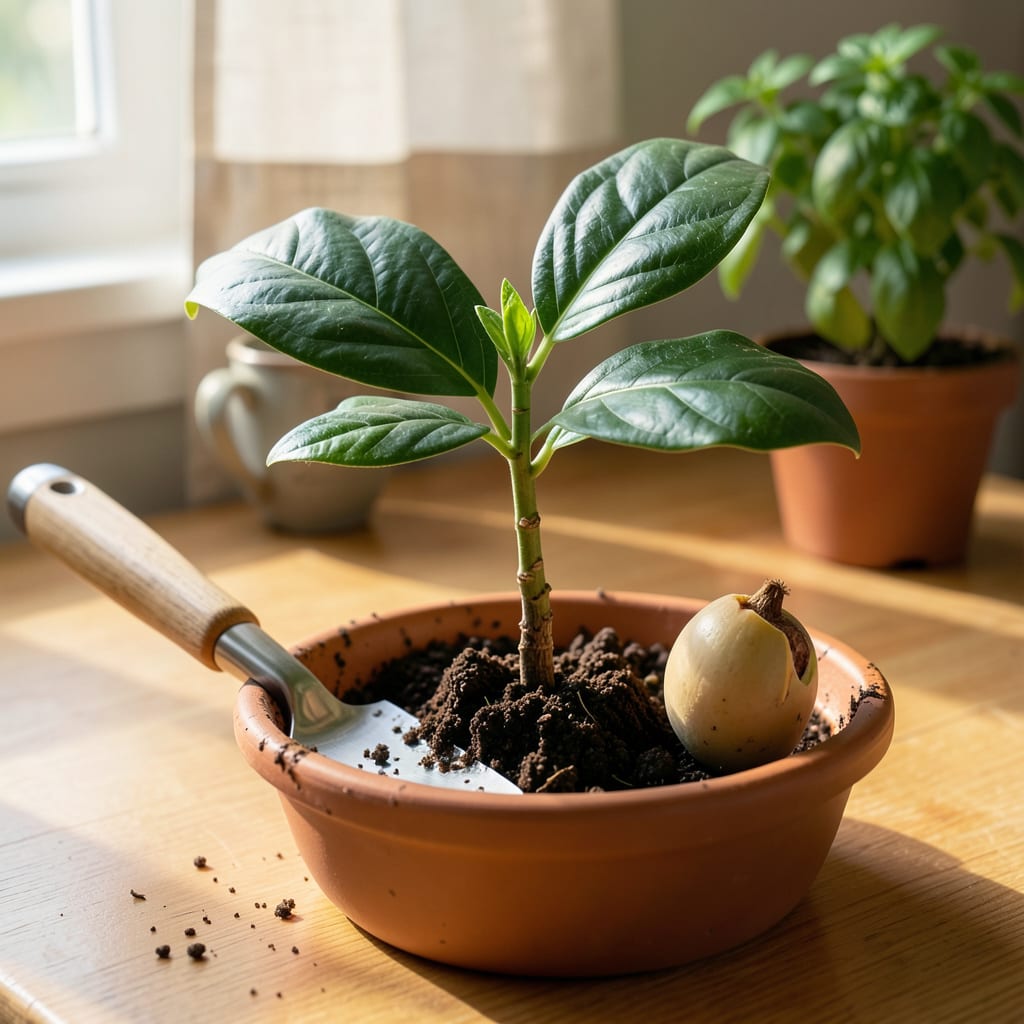
That moment when your avocado seed sprouts tiny roots is exciting—but don’t rush it into soil too soon. Perfect timing means the difference between a thriving 🥑 tree and a sad, rotting seed.
Whether you’re in USDA zone 6 or growing indoors, I’ll show you exactly when to make the move. From root length to seasonal cues, you’ll learn the simple signs that say, “It’s time!”—no guesswork required.
If you’ve been patiently watching your avocado seed sprout in water, the big question is: when’s the perfect time to move it to soil? The answer depends on two key factors—root development and seasonal conditions. I’ve found that rushing this step often leads to failure. 🌱
Your seed is ready for soil when the roots reach 3-4 inches long and the stem grows to about 6 inches tall. This typically takes 4-8 weeks in water. But don’t just focus on size—look for healthy white roots and a firm stem. Weak or mushy roots mean it needs more time.
💡 Pro Tip: If your climate is cool, start indoors near a south-facing window for warmth.
The best time of year to transplant is spring or early summer when temperatures stay above 60°F (15°C). In colder zones (USDA 6-8), keep your seedling indoors until after the last frost. I lost my first avocado plant by moving it outside too early—don’t make my mistake! 🌡️
Watch for these signs your seedling is thriving after transplanting: new leaf growth within 3-4 weeks and roots emerging from drainage holes. If leaves turn yellow, you’re likely overwatering. Brown tips? The air is too dry—try a pebble tray with water.
For indoor growers, consistency is key. Maintain 65-75°F (18-24°C) temperatures and 40-50% humidity. A small humidifier or daily misting helps. Remember, avocados are tropical plants—they hate drafts and temperature swings! 🌿
If you’re growing outdoors, wait until nighttime temperatures stay above 50°F (10°C). Avocado trees despise cold roots. In hot climates (USDA 9-11), provide afternoon shade for young plants. I use a 30% shade cloth for my first-year seedlings.
The toothpick method you used for sprouting? Keep those toothpicks in place during transplanting—they’ll help stabilize the seed while roots establish. Remove them after 2-3 weeks when the plant stands firm. This simple trick prevents top-heavy seedlings from tipping over. ✅
Here’s what most beginners miss: avocado seeds need oxygen at the roots. That’s why I recommend a chunky soil mix (60% potting soil, 30% perlite, 10% orchid bark). Compact soil suffocates roots. Test your mix by squeezing a handful—it should crumble easily, not stay packed.
After transplanting, resist the urge to fertilize immediately. Wait until you see 3-4 new leaves, then use a diluted balanced fertilizer (10-10-10 at half strength). Young avocados are sensitive to salt buildup from fertilizers. I learned this the hard way when my first seedling developed burned leaf edges! 🌱
Your avocado seed’s success depends heavily on when and where you plant it. While indoor growers have year-round flexibility, outdoor planting is tightly linked to local climate conditions. I’ve seen seeds thrive in summer heat and fail in unexpected cold snaps. 🌡️
The ideal outdoor planting window is late spring to early summer when soil temperatures reach 60-70°F (15-21°C). In USDA zones 9-11, you can plant directly outdoors. Cooler zones (6-8) require starting indoors and transplanting after last frost—typically May or June.
| Climate Factor | Ideal Conditions | Risk If Ignored |
|---|---|---|
| Temperature | 60-85°F (15-29°C) | Root rot or dormancy |
| Humidity | 40-60% range | Leaf browning |
| Sunlight | 6+ hours indirect | Leggy growth |
| Soil Temp | Above 55°F (13°C) | Slow germination |
💡 Pro Tip: Use a soil thermometer—don’t guess!
Indoor growers can plant avocado seeds year-round, but winter presents challenges. Low humidity from heating systems causes leaf drop. Combat this with a pebble tray or humidifier. I keep my winter seedlings near a south-facing window with a grow light for 12-14 hours of light daily. 🌱
Coastal climates offer perfect conditions—mild temperatures and natural humidity. But watch for salt spray if you’re near the ocean. Inland areas with hot summers (like Arizona) need afternoon shade and extra mulch to protect roots. My desert-grown avocado thrives under 50% shade cloth from June to September.
For container growers, remember that potted avocados are more sensitive to temperature swings. Move pots indoors when nights dip below 50°F (10°C). I use a plant caddy to easily shift my tree between patio and sunroom. This mobility saved my plant during an unexpected late frost last April! ☀️
The toothpick method works well in all climates, but adjust your approach. In dry areas, cover the water glass with plastic wrap (poke holes) to reduce evaporation. Humid climates may need more frequent water changes to prevent mold. I change my seed’s water every 3-4 days in Florida summers.
Here’s my climate-specific advice: Pacific Northwest—start indoors in March; Southwest—plant in partial shade; Northeast—wait until June; Southeast—watch for fungal issues. Your local extension office can provide hyper-local frost dates that are more accurate than general zone guidelines. 🌿
Even with perfect timing, many avocado seeds fail because of simple but deadly mistakes. I’ve made (and learned from) every one of these—so you don’t have to. The most common killer? Overwatering in those first critical weeks. 💧
Your seed needs moist but not soggy soil. Stick your finger in—if the top inch feels wet, wait to water. I use the “lift test”: pick up the pot after watering, then again when dry. You’ll quickly learn what “just right” feels like.
⚠️ Warning: These mistakes show symptoms in 3-7 days—act fast!
The second biggest issue is poor soil choice. Avocados hate compacted dirt. My go-to mix is 60% potting soil, 30% perlite, and 10% orchid bark. This creates the perfect balance of moisture retention and drainage. 🪴
Many beginners also plant their seeds too deep. Remember: only the bottom half should be buried. The top must stay exposed to air. I use a toothpick bridge (from the water sprouting phase) to keep the seed perfectly positioned during those first critical weeks.
Finally, don’t ignore temperature shocks. Avocados are tropical plants that hate cold drafts. Keep seedlings above 60°F (15°C) at all times. In cooler climates, use a heat mat under the pot for the first month. My first seedling died overnight when I left it near an AC vent! ☀️
Wait until roots reach 3-4 inches long and the stem grows to about 6 inches tall. This usually takes 4-8 weeks in water. Healthy white roots and a firm stem are key signs of readiness.
While possible, it’s much less reliable. Water sprouting gives you visual confirmation of root health and viability. Direct soil planting often fails due to overwatering or poor drainage. The toothpick method increases success rates significantly.
Maintain 60-85°F (15-29°C) for best results. Outdoor planting works best when nighttime temperatures stay above 50°F (10°C). Use a heat mat indoors if your home runs cooler than 65°F (18°C).
Water lightly when the top inch of soil feels dry—typically every 5-7 days. Overwatering causes yellow leaves within days. The “lift test” helps: compare pot weight after watering to when dry.
Brown leaf tips usually indicate low humidity. Avocados need 40-60% humidity. Try a pebble tray with water or a small humidifier. Keep plants away from heating/AC vents that create dry air.
