
Beautiful Plants For Your Interior
Beautiful Plants For Your Interior
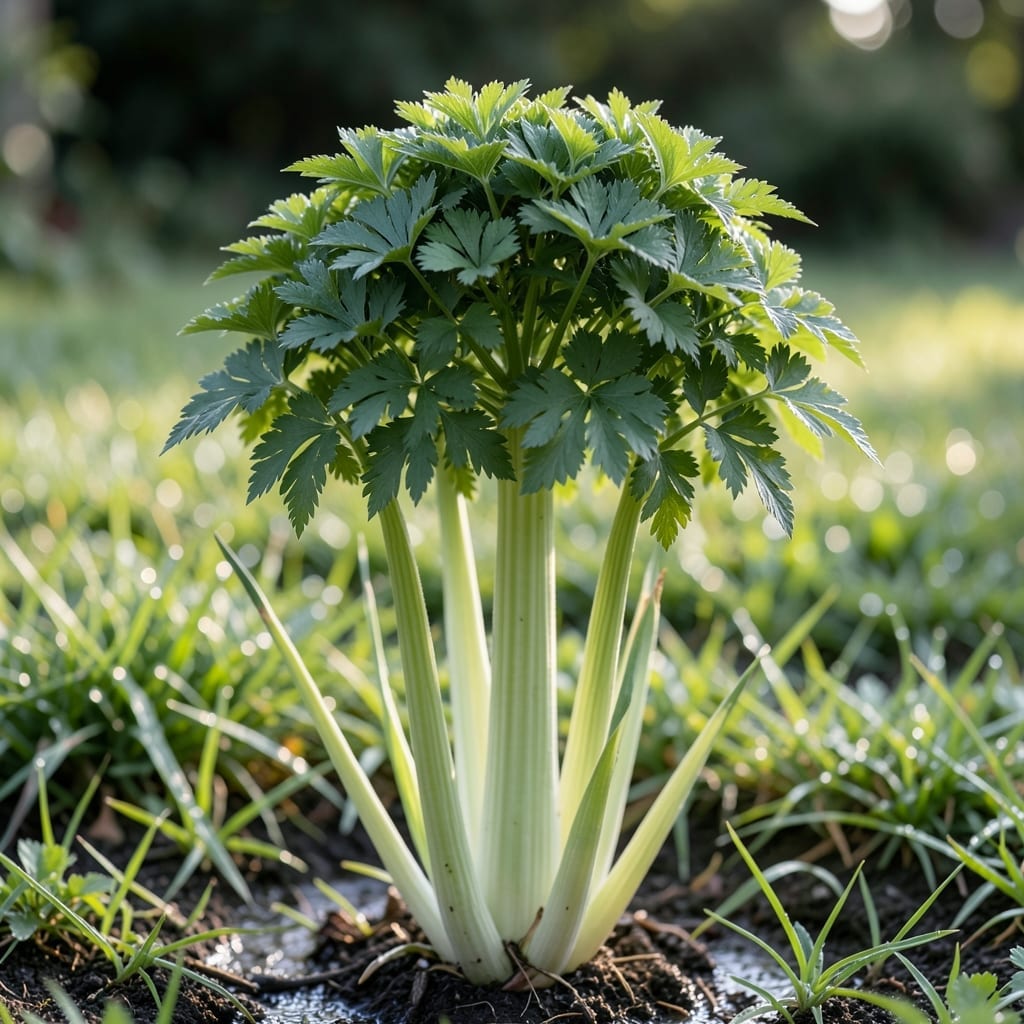
I spent two seasons pulling the wrong plants before learning to spot celery lookalikes. These imposters thrive in similar conditions, often popping up in garden beds or wild patches where celery might grow.
The key is in the details—leaf shape, stem texture, and root structure give them away. Most have hollow stems like celery, but with subtle differences that become obvious once you know what to look for.
Removal is straightforward once identified: pull before they seed, and check for regrowth. Prevention means keeping beds clean and monitoring new growth closely.
Some are invasive, others just persistent. Either way, they’ll compete with your actual plants if left unchecked.
Nature’s mimicry often leaves gardeners scratching their heads—especially when weeds look like celery. This resemblance isn’t random; it’s rooted in evolution, ecology, and human activity. Below, we break down the key reasons these doppelgängers pop up in your garden.
Many weeds that resemble celery, like wild parsnip (Pastinaca sativa) or poison hemlock (Conium maculatum), belong to the Apiaceae family—the same as celery. This shared lineage means they naturally develop similar leaf structures, such as pinnate (feather-like) divisions and hollow stems. Evolution favors plants that blend into beneficial environments, and celery’s cultivated popularity makes it a perfect model for weeds to imitate.
Celery thrives in moist, nutrient-rich soils with moderate temperatures, and so do its look-alike weeds. For example, wild carrot (Daucus carota, or Queen Anne’s lace) often invades gardens with similar conditions. These weeds exploit the same ecological niches, making it easy for them to coexist—and confuse—gardeners. Pro tip: If your soil stays damp and fertile, you’re rolling out the welcome mat for these imposters.
Accidental transport is a major culprit. Weeds like giant hogweed (Heracleum mantegazzianum) or water hemlock (Cicuta spp.) hitch rides via contaminated compost, garden tools, or even bird droppings. Their seeds can lie dormant for years, germinating when conditions mimic their ideal habitat—often the same beds where you’re growing celery. Always clean tools and source compost carefully to minimize this risk.
Dealing with weeds that resemble celery requires a mix of identification and targeted action. Here’s how to tackle the most common lookalikes and keep them from coming back.
This toxic mimic has fern-like leaves and a tall, smooth stem. Fix: Wear gloves and long sleeves, then dig out the entire root system with a trowel. Never compost it—bag and dispose of it in the trash. Prevention: Inspect your garden regularly, especially in damp, shady spots where it thrives.
Similar in leaf structure but with yellow flowers, wild parsnip can cause skin irritation. Fix: Mow or cut the plants before they flower to prevent seed spread. For small patches, pull them up (roots and all) using a weeding tool. Prevention: Mulch bare soil in early spring to block new growth.
This dangerous lookalike has huge leaves and a thick stem. Fix: Do not touch it—its sap causes severe burns. Contact local agricultural authorities for safe removal. Prevention: Report sightings immediately to prevent its spread to new areas.
Stay vigilant, and your garden will stay celery-weed-free! 🌱
Some are extremely harmful. Poison hemlock and giant hogweed can cause severe skin irritation or burns. Always wear gloves and long sleeves when handling unknown plants. If in doubt, don’t touch and consult a professional.
Check the stem and leaves closely. Real celery has a distinctive strong scent and thicker, more fibrous stems. Lookalikes often have smoother stems or different leaf arrangements, like finer divisions or a more feathery appearance.
If you don’t remove the entire root system, many will regrow. Use a trowel to dig deep and ensure you get all the roots. For persistent weeds like wild parsnip, check the area weekly for new sprouts.
No, avoid composting toxic lookalikes like poison hemlock. The toxins can persist in compost and harm future plants. Bag and dispose of them in the trash instead.