
Beautiful Plants For Your Interior
Beautiful Plants For Your Interior
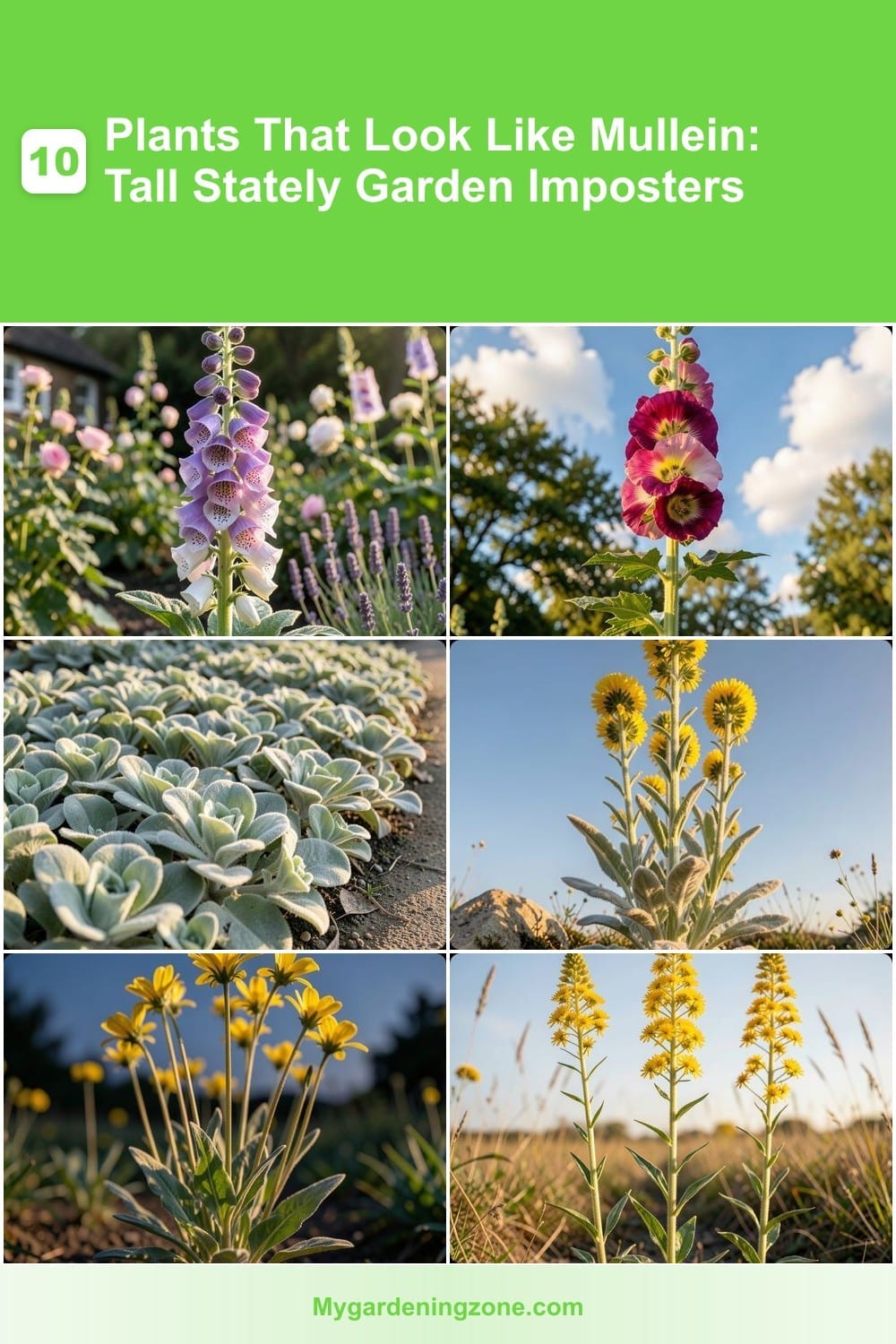
Mullein’s towering, fuzzy spikes are unmistakable—until you spot these lookalikes. These ten plants share mullein’s stature, foliage, or flower form, often causing confusion in gardens and wild landscapes. Learn to tell them apart with this visual guide.
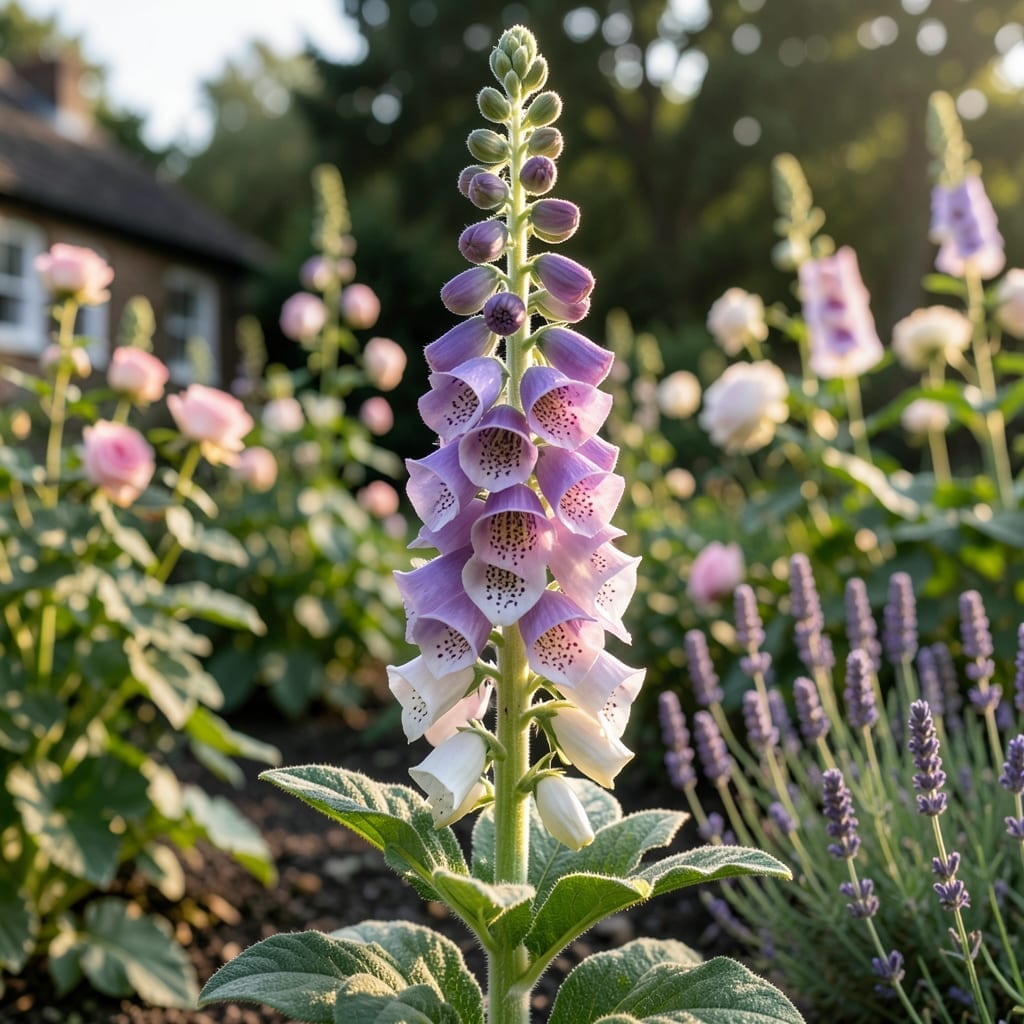
At first glance, common foxglove can fool even seasoned gardeners into thinking they’ve spotted mullein. Its towering vertical flower spikes and biennial growth habit create a similar silhouette in cottage gardens.
This plant produces stunning bell-shaped blooms in purple, pink, or white, but unlike mullein, every part is highly toxic. However, hummingbirds adore its nectar-rich flowers, making it a pollinator magnet despite its dangers. It thrives in partial shade and well-drained soil.
Perfect for gardeners wanting height and drama, but keep it away from pets and children. 🌿
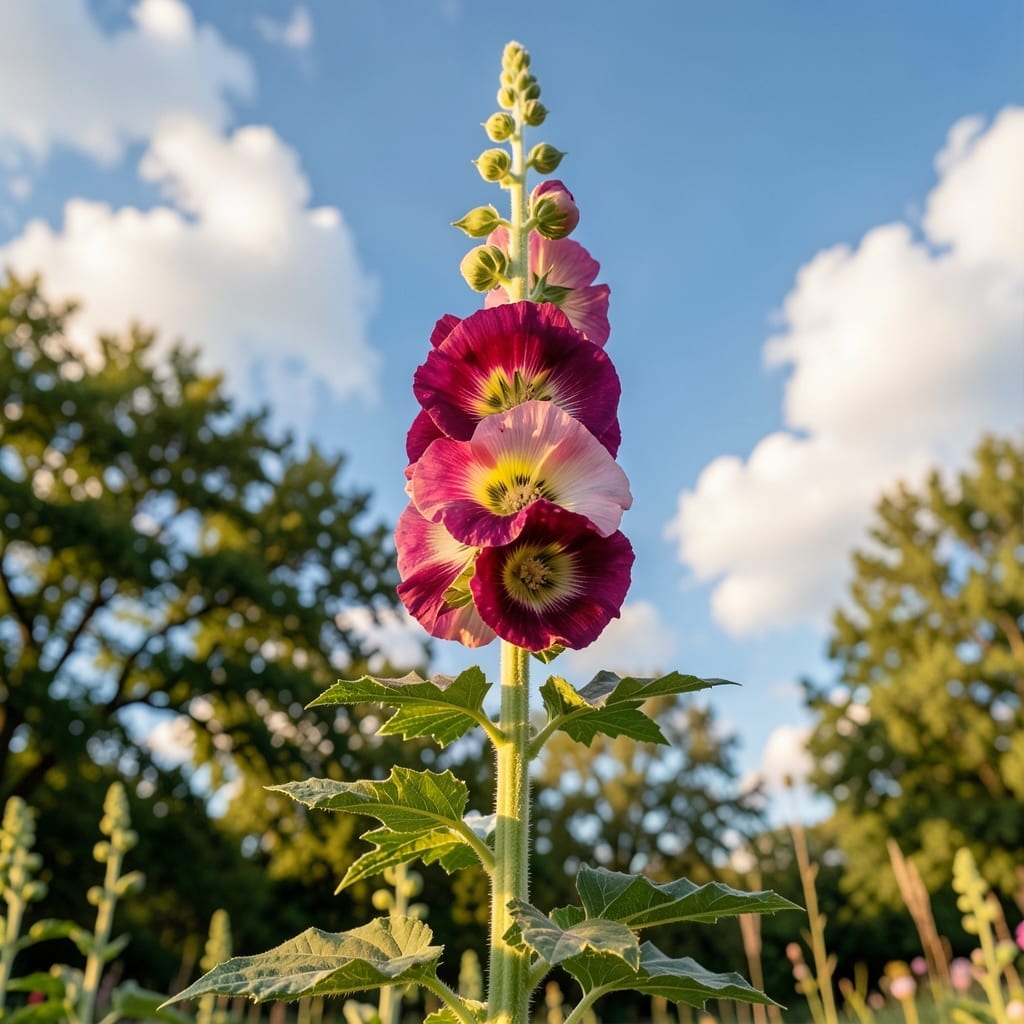
If you love mullein’s height but crave more color, hollyhock delivers with its towering presence. This classic garden staple shares the same upright growth habit but swaps mullein’s dense clusters for dramatic, dinner-plate-sized blooms.
Hollyhocks thrive in full sun and well-drained soil, producing flowers in nearly every hue from white to deep burgundy. Their tall spikes can reach 8 feet, making them perfect for creating vertical drama along fences or at the back of borders.
Ideal for cottage gardens or pollinator-friendly spaces, they attract bees and butterflies all summer long. 🌿
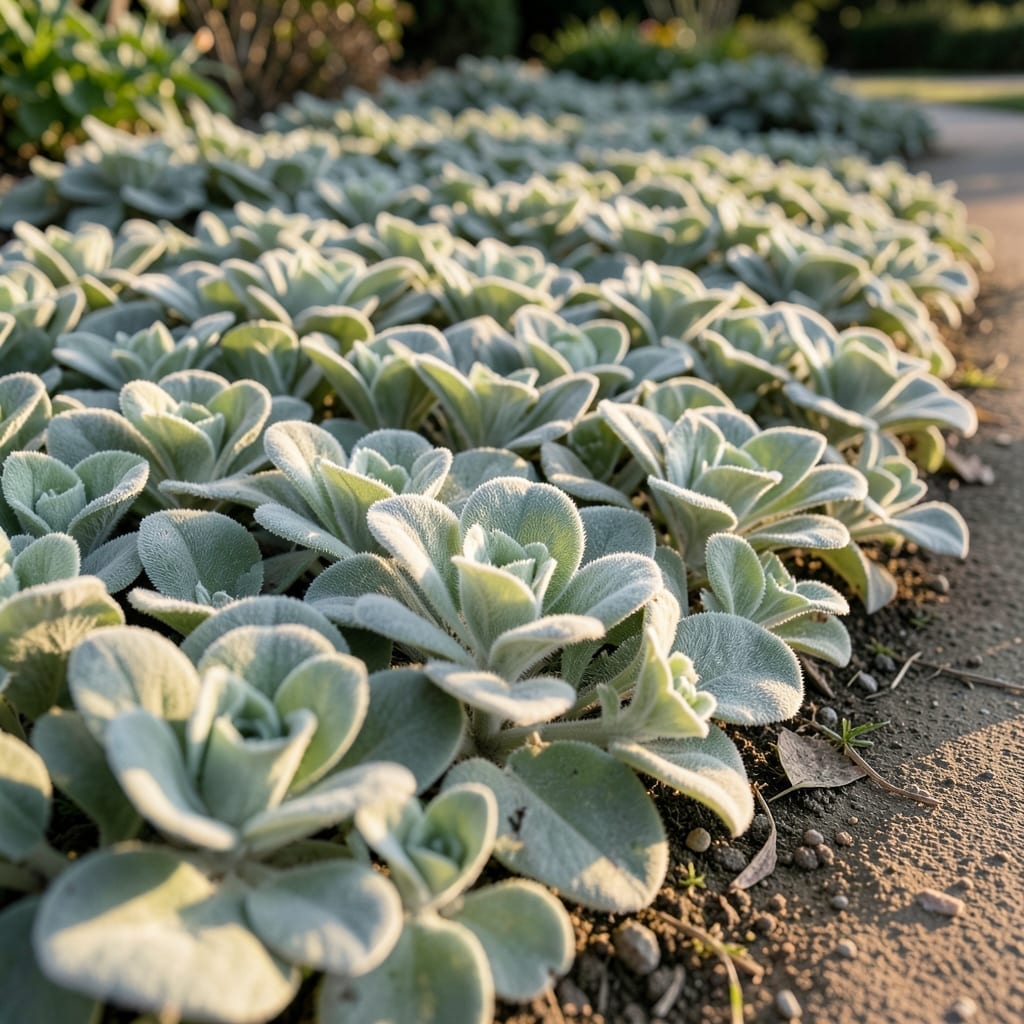
For gardeners seeking mullein’s signature texture without the height, lambs ear plant offers the same velvety, silver-green foliage in a compact package.
This ground-hugging perennial spreads to form a soft, drought-tolerant mat, perfect for edging pathways or filling sunny spots. Its fuzzy leaves resist deer and add a tactile element that kids and adults love in sensory gardens. It thrives in well-drained soil and full sun.
Ideal for those who want mullein’s look with minimal maintenance or space. 🌿
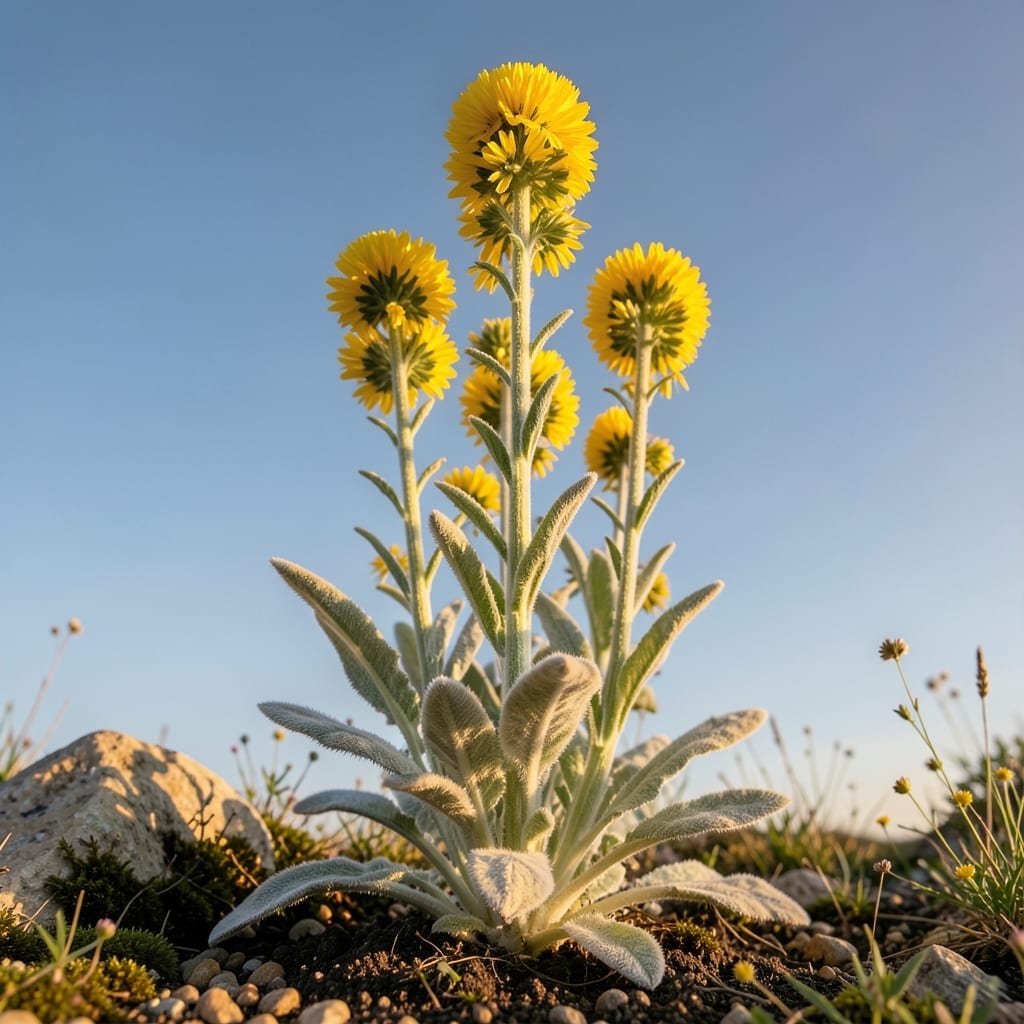
If you love mullein’s wild charm but want something more polished, Verbascum Olympicum is your go-to. This close relative keeps the iconic yellow flower spikes and fuzzy foliage but amps up the drama with larger, showier blooms.
Growing 4-6 feet tall, it thrives in full sun and well-drained soil, making it perfect for the back of perennial borders. Its woolly leaves add texture year-round, while the flowers attract pollinators all summer long.
Ideal for gardeners who want mullein’s look with extra flair and structure in their landscape. 🌿
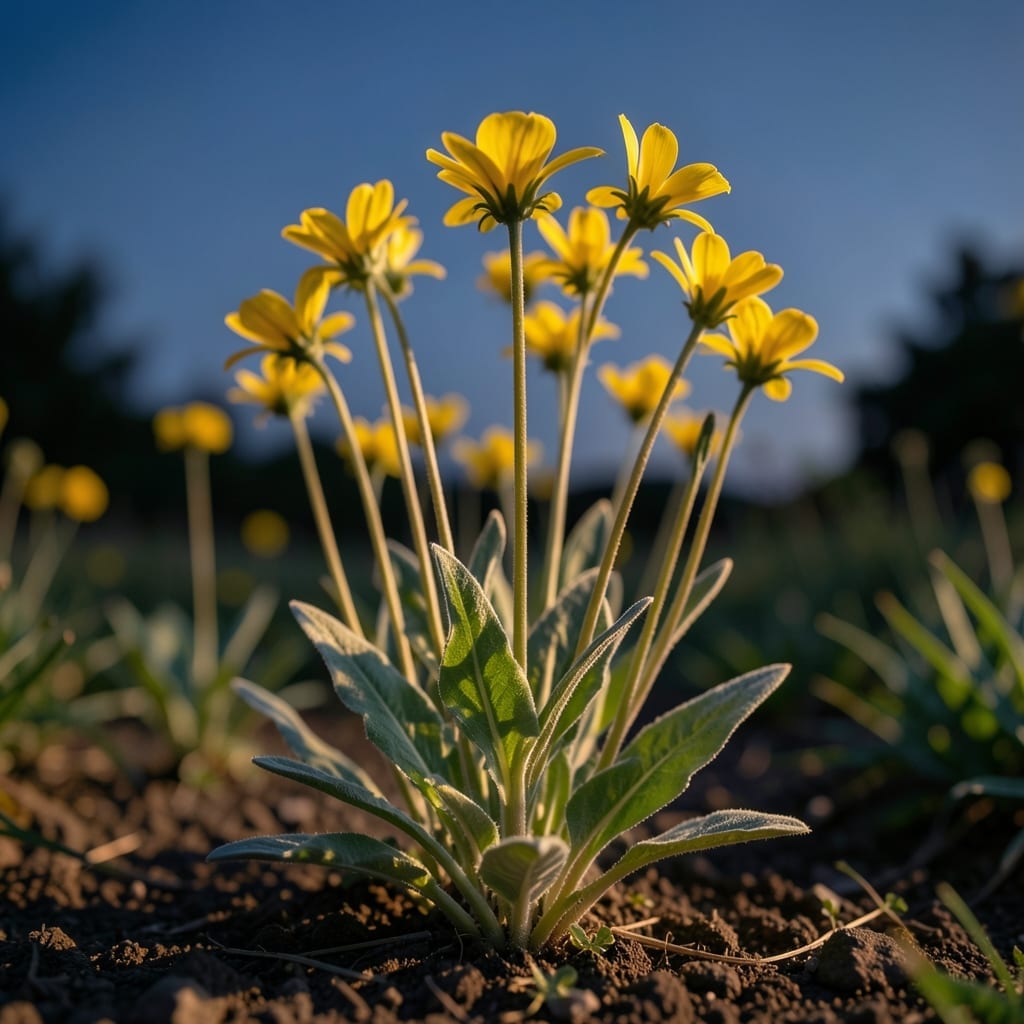
Watch your garden come alive at twilight with evening primrose. Its tall, slender stems and lance-shaped leaves mirror mullein’s height, but the magic happens at dusk when its bright yellow flowers unfurl.
Unlike mullein, this biennial thrives in poor soils and spreads quickly, making it ideal for wildflower meadows or low-maintenance borders. It’s a nighttime pollinator magnet, attracting moths and other evening visitors.
Perfect for gardeners who want mullein’s stature with the added bonus of sunset blooms and effortless care. 🌿
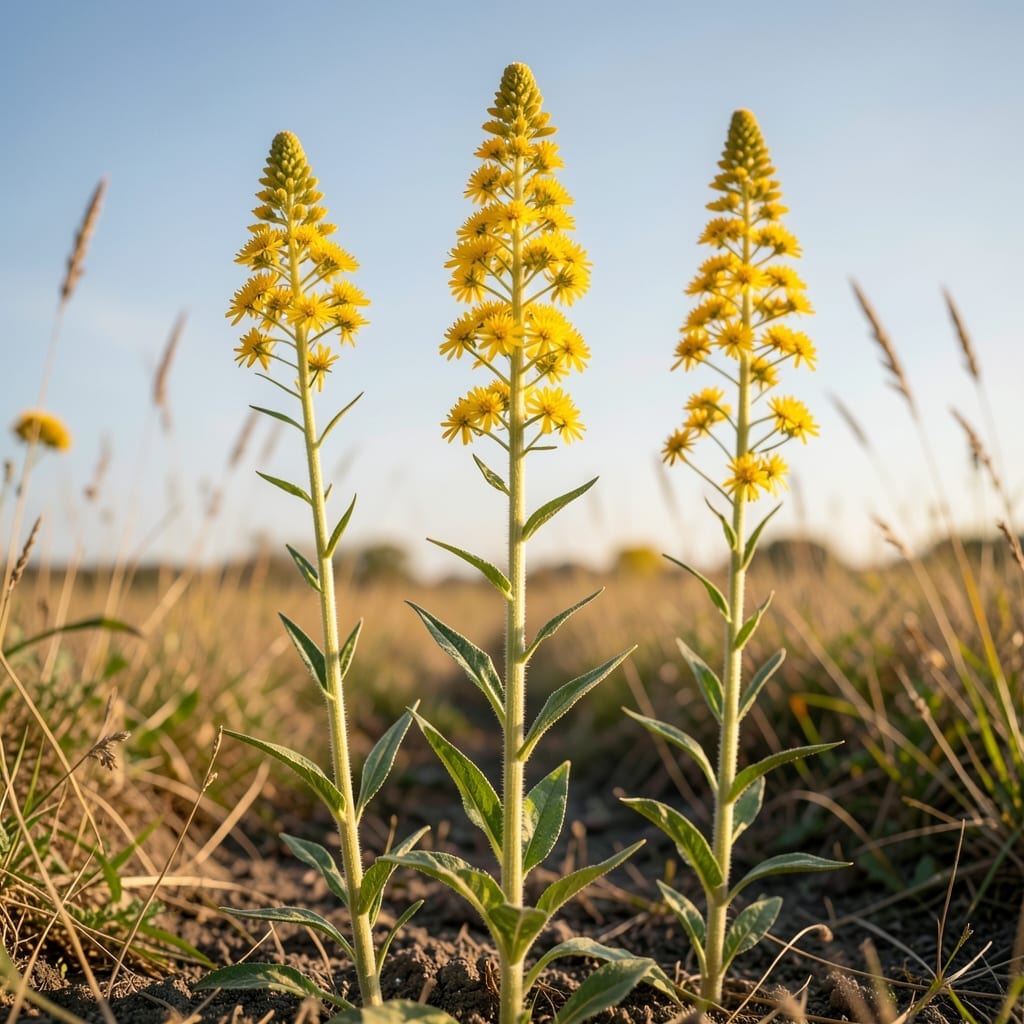
From a distance, goldenrod can easily be mistaken for mullein thanks to its tall, upright stems crowned with dense clusters of small yellow flowers. This native wildflower brings late-summer color to meadows and gardens alike.
It thrives in full sun and tolerates a wide range of soils, from dry to moderately moist. Unlike mullein, goldenrod spreads readily and supports over 100 species of pollinators, making it a powerhouse for local ecosystems.
Ideal for wildflower gardens, pollinator patches, or naturalized areas where low-maintenance beauty and ecological benefits are prized. 🌿
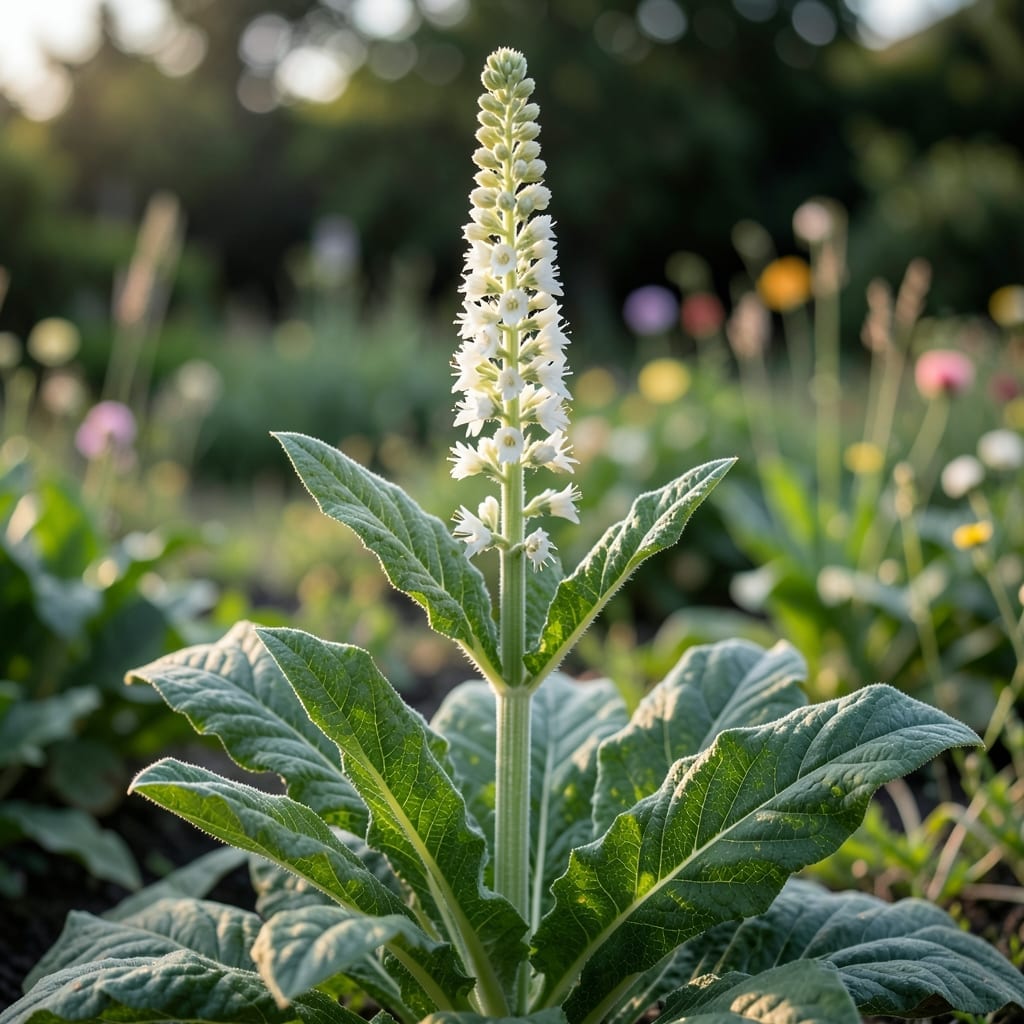
Don’t let the horseradish plant fool you—its second-year transformation can mimic mullein’s towering presence. The large, coarse leaves form a basal rosette before sending up tall, white flower spikes that reach 3-5 feet high.
Unlike mullein, horseradish is grown primarily for its pungent root, not its flowers. It thrives in full sun and well-drained soil, spreading aggressively if left unchecked. The flowers are small and white, appearing in dense clusters along the spikes.
Perfect for gardeners who want both ornamental height and a useful harvest. 🌱
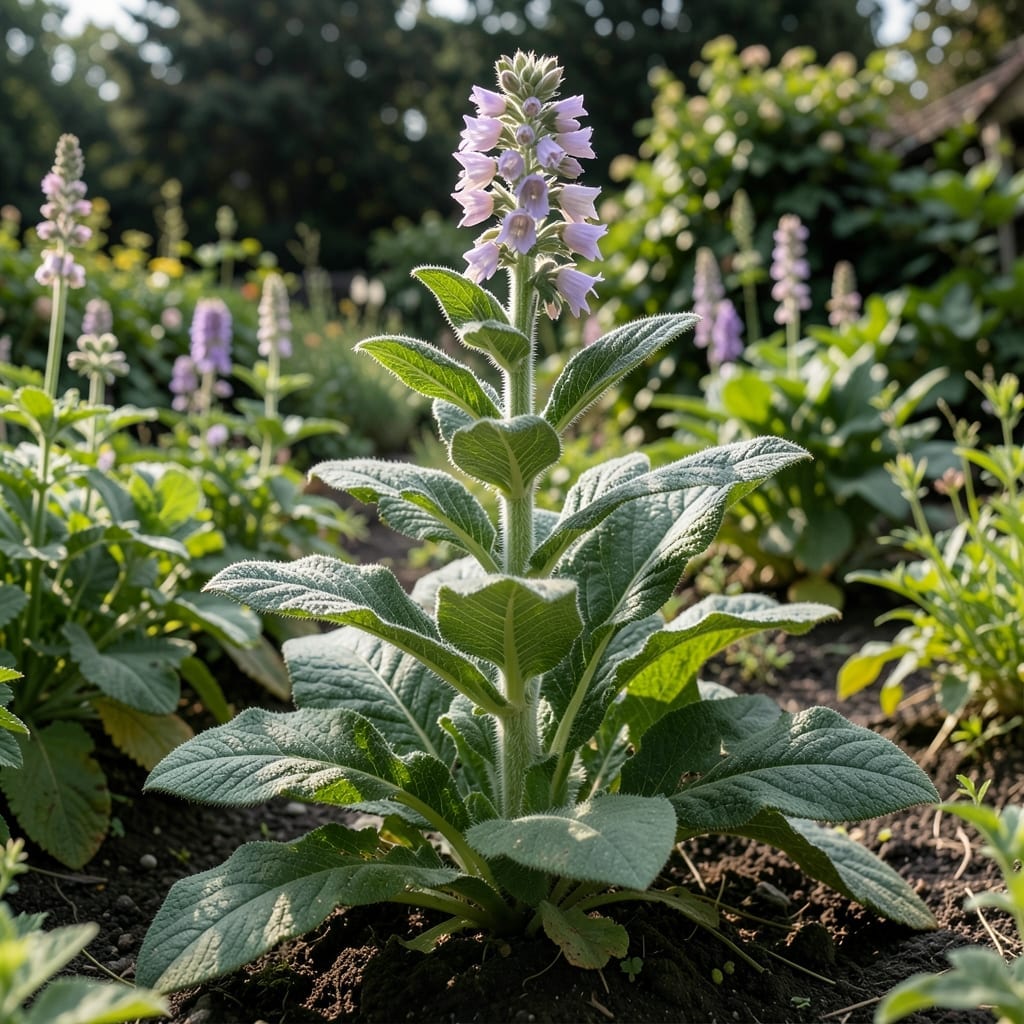
If you’re growing herbs and spot a tall, leafy plant with rough, hairy leaves, you might be looking at comfrey instead of mullein. Its broad foliage and small, bell-shaped flowers create a similar presence in herb gardens, often leading to misidentification.
Comfrey thrives in moist, well-drained soil and partial shade, growing 2-4 feet tall with a bushy habit. Unlike mullein, it’s prized for its medicinal uses, particularly in salves for skin healing, and as a nutrient-rich compost activator.
Herb gardeners love it for its dual purpose as both an ornamental and a practical plant. 🌿
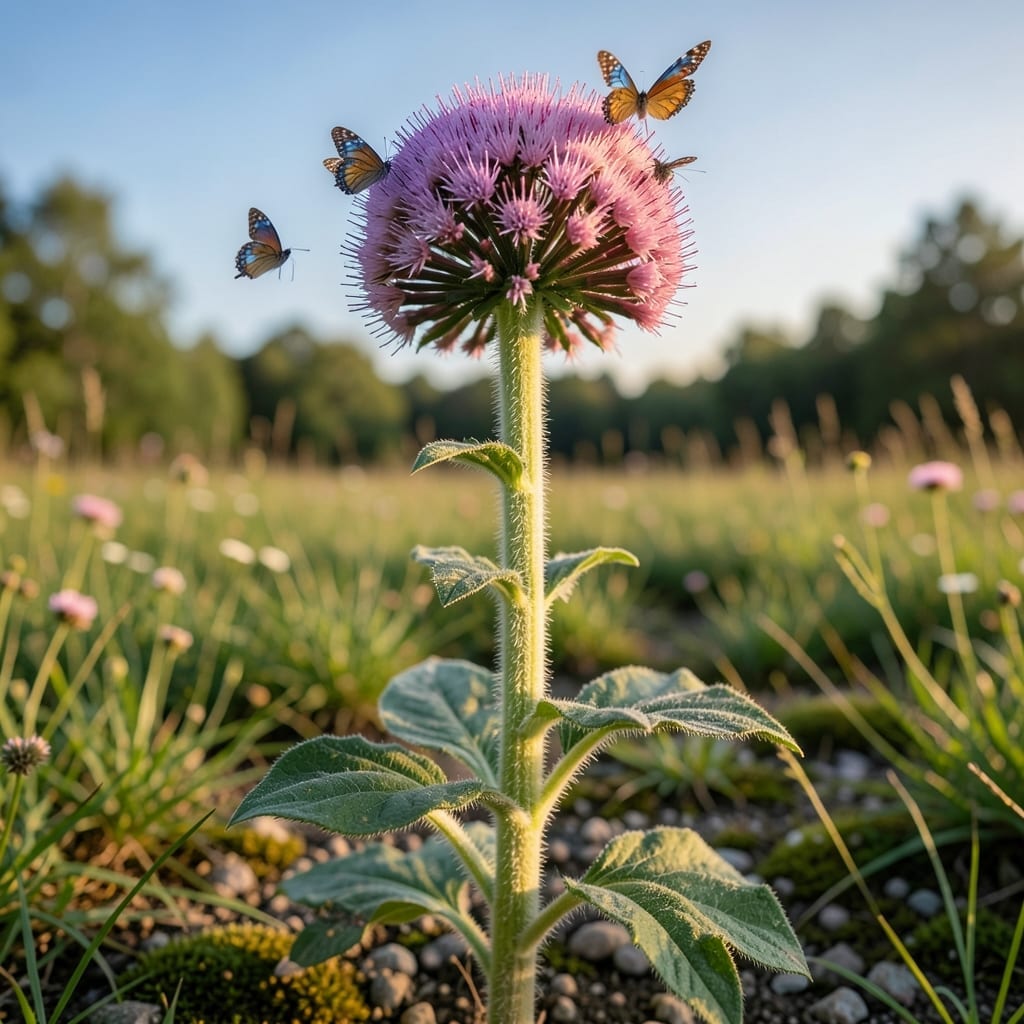
From a distance, Joe Pye weed can pass for mullein thanks to its towering stature and clustered blooms. This native perennial stands 4-7 feet tall, with distinctive whorled leaves and large, dome-shaped pink flower heads that draw in butterflies by the dozens.
It thrives in moist soils and full sun to partial shade, making it perfect for rain gardens or the back of borders. Unlike mullein, its stems are often purple-tinged, and it spreads gently over time, forming impressive stands that hum with pollinator activity.
A must-have for wildlife gardens and those seeking late-summer color with minimal fuss. 🌿
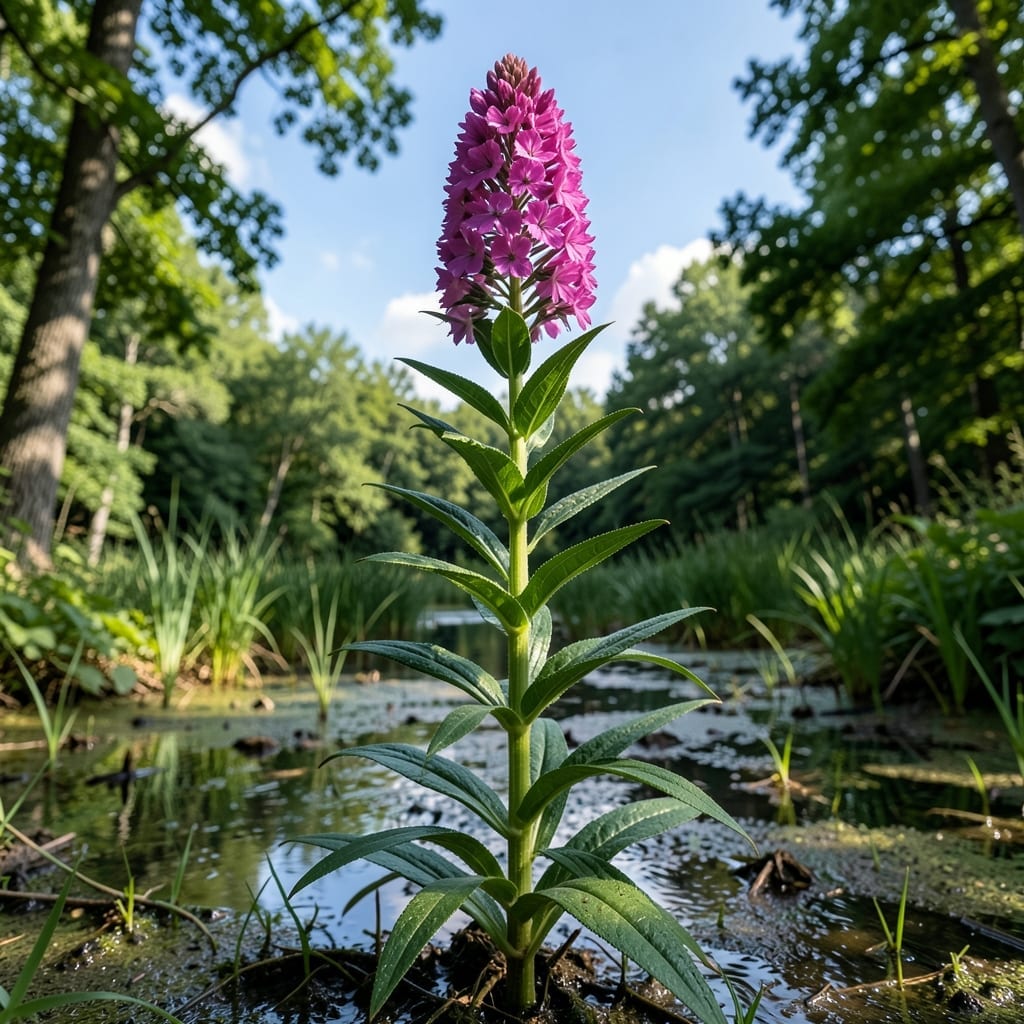
If you spot a tall, upright plant with spiral leaves and spikes of pink-purple flowers near water, you’ve likely found great willowherb, not mullein. This wetland lover shares the same drama and height but flourishes where mullein would drown.
Great willowherb thrives in moist to wet soils, making it perfect for pond edges or rain gardens. Its red-tinged stems and lance-shaped leaves create striking contrast, while the flowers attract bees and butterflies from mid-summer to fall.
Ideal for gardeners with damp spaces who want vertical interest and pollinator support. 🌿