
Beautiful Plants For Your Interior
Beautiful Plants For Your Interior
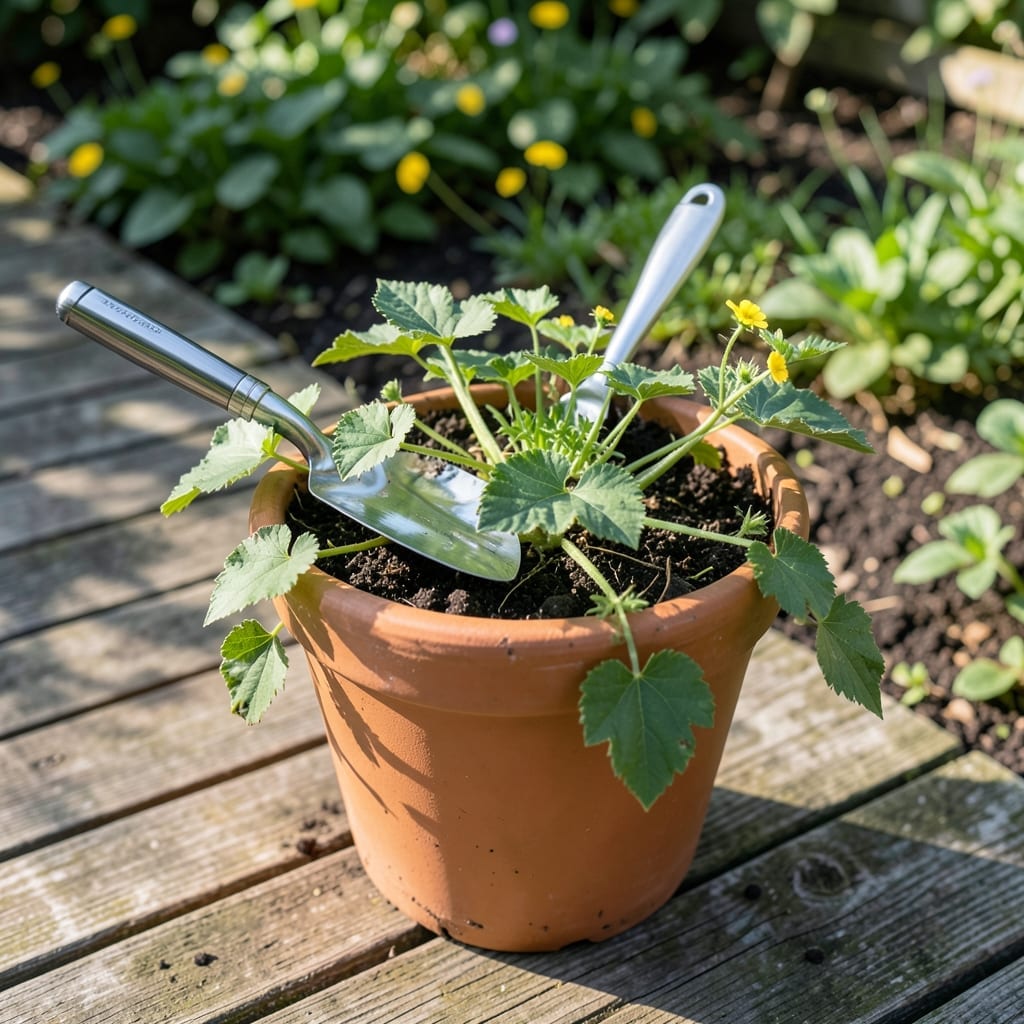
Weeds in flower pots sneak in when you least expect it. I’ve pulled more unwanted guests from my containers than I care to admit, but there’s a better way than constant tugging.
The key is catching them early before they steal nutrients and water from your blooms. A quick daily check and the right removal technique keep them from coming back stronger.
Natural solutions like mulch and vinegar sprays work wonders without harming your plants. I’ve tested methods that are gentle on flowers but tough on weeds.
Prevention is simpler than you think—clean pots, fresh soil, and a little vigilance go a long way. Your containers can stay weed-free all season with minimal effort.
Weeds in your flower pots don’t appear by magic—they’re usually the result of a few predictable (and preventable) factors. Understanding these causes can help you stop them before they take root.
Many weed seeds are lightweight and designed to travel. Wind can carry them from neighboring lawns, gardens, or wild areas directly into your pots. Birds, squirrels, or even your pet may also accidentally deposit seeds while foraging or moving soil. These seeds lie dormant until conditions—like moisture and sunlight—trigger germination.
Cheap or poorly stored potting mixes often contain weed seeds or dormant spores. Even “sterilized” soil can become reinfested if stored improperly or mixed with garden soil. Always check the source of your soil and opt for high-quality, weed-free blends to avoid this common culprit.
Excess moisture creates the perfect environment for weed seeds to sprout. Overwatering not only stresses your flowers but also encourages rapid weed growth by keeping the soil surface constantly damp. Pots without proper drainage can also trap seeds in stagnant water, accelerating their development.
Some “weeds” are actually volunteer plants from last season’s flowers or herbs. If you’ve previously grown plants in the same pot or nearby, their seeds may have fallen into the soil and germinated. This is especially common with aggressive self-seeders like dandelions or clover.
Tackling unwanted growth in your containers doesn’t have to be a battle. Try these simple, plant-safe fixes for common causes—and keep your blooms thriving.
Lay a thin layer of organic mulch (like straw or cocoa shells) on the soil surface to smother sprouting weeds. For a tidier look, use pebble mulch or a sprinkle of corn gluten meal, a natural pre-emergent.
Prevention: 💡 Elevate pots on a rack or stand to reduce soil contact with airborne seeds.
Weeds love damp soil. Water only when the top inch feels dry, and avoid wetting the soil surface. Use a long-spout can to deliver water directly to roots.
Prevention: 🎯 Choose pots with drainage holes and a saucer to catch excess water.
If weeds keep returning, your potting mix may harbor seeds. Replace it with a sterilized, weed-free blend. For existing pots, carefully remove the top layer of soil and replace it with clean mix.
Prevention: ✨ Always use high-quality potting soil labeled “weed-free.”
Pull young weeds by hand or with a small tool before they seed. A quick weekly check prevents small problems from becoming big ones.
Prevention: 🌡️ Keep a small hand weeder near your gardening supplies for easy access.
They often arrive via wind, birds, or contaminated potting soil. Even high-quality mixes can harbor dormant seeds if not stored properly.
Yes, if applied carefully. Use a 1:1 vinegar-water mix and dab only on weeds with a cotton ball to avoid harming your blooms.
Only after sterilizing. Bake soil at 200°F for 30 minutes or microwave for 90 seconds to kill seeds before reuse.
A 1-inch mulch layer blocks light to seeds. Use organic options like straw or decorative pebbles for best results.