
Beautiful Plants For Your Interior
Beautiful Plants For Your Interior
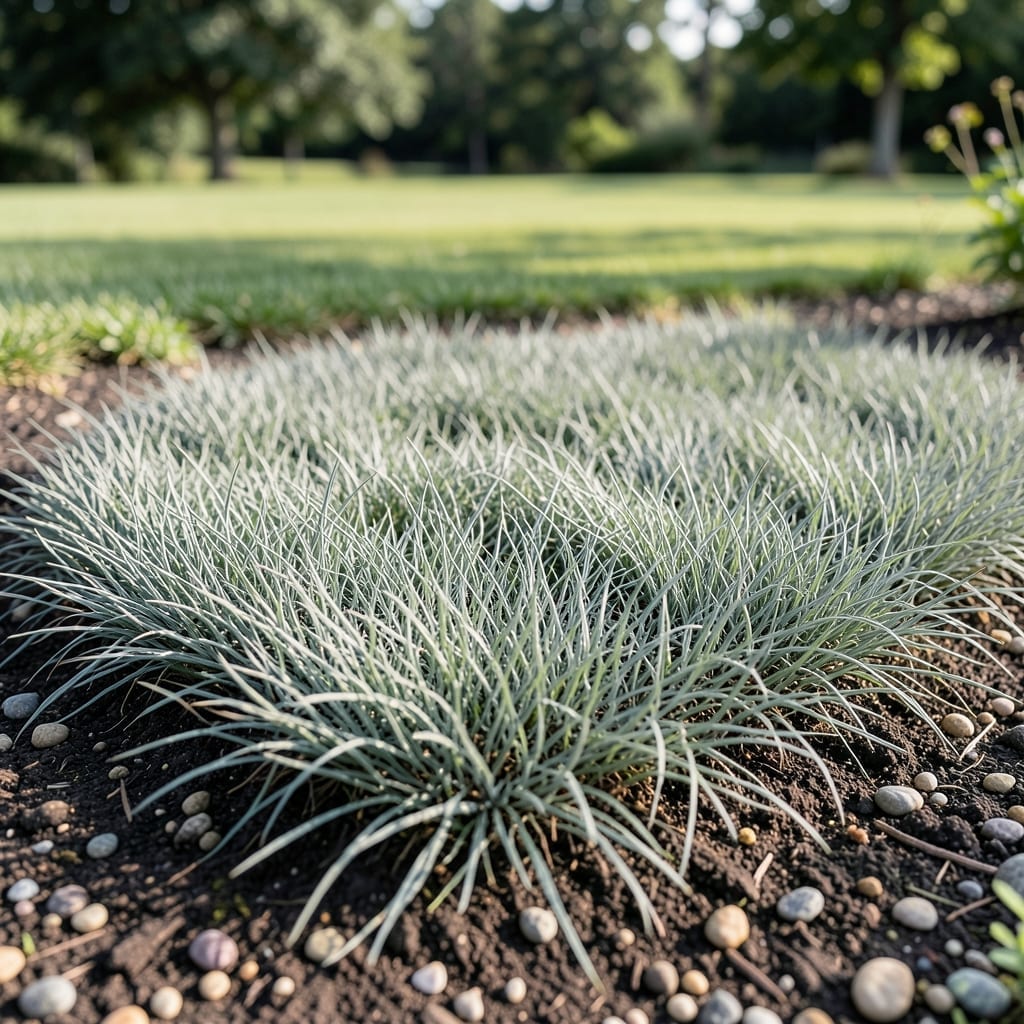
I’ve spent too many hours pulling what I thought was buffalo grass, only to realize it was the real deal. This lookalike weed is sneaky—it mimics the fine texture and low growth of buffalo grass almost perfectly.
Here’s the thing—the difference is in the details. The weed usually has a slightly lighter color, thinner blades, and a less dense growth pattern. Once you know what to look for, spotting the imposter becomes much easier.
The good news? Removing it is straightforward once you’ve identified it. A little patience and the right technique will have your lawn looking uniform and healthy again.
Prevention is simpler than you think. Regular lawn care and a watchful eye will keep this weed from taking over in the first place.
Several factors contribute to the emergence of weeds that closely resemble Bouteloua dactyloides, commonly known as buffalo grass. Understanding these causes can help gardeners and landscapers prevent or address the issue effectively.
One primary cause is accidental seed mixing. Buffalo grass seed batches may contain weed seeds that share similar blade shapes, such as Bermudagrass (Cynodon dactylon) or Crabgrass (Digitaria spp.). These weeds often thrive in the same conditions as buffalo grass, making them hard to distinguish at first glance.
Some weeds have evolved to mimic native grasses as a survival strategy. This phenomenon, called mimicry, allows invasive species to blend into established lawns, avoiding detection by humans or herbivores. For example, Nimblewill (Muhlenbergia schreberi) has fine, low-growing blades that closely resemble buffalo grass.
Inconsistent mowing, overwatering, or improper fertilization can weaken buffalo grass, creating openings for look-alike weeds to take root. Thin or patchy lawns are especially vulnerable, as weeds like Dallisgrass (Paspalum dilatatum) can spread rapidly in bare spots.
Addressing these causes—such as sourcing certified weed-free seeds and maintaining a healthy lawn—can reduce the likelihood of these doppelgängers appearing.
If you’ve spotted a weed that resembles buffalo grass in your lawn, don’t panic—here’s how to tackle it effectively. Start by identifying the imposter (common culprits include crabgrass or nutsedge). Once confirmed, choose the right removal method for your situation.
For isolated weeds, pull them by hand when the soil is moist. Use a weeding tool to extract the entire root system, ensuring regrowth doesn’t happen. Prevention tip: Mow high (3–4 inches) to shade out weeds and strengthen buffalo grass.
For larger infestations, apply a selective herbicide labeled for buffalo grass (e.g., 2,4-D for broadleaf weeds). Always spot-test first to avoid damaging your lawn. Prevention tip: Overseed bare spots in fall to crowd out weeds naturally.
Prefer chemical-free? Boiling water or vinegar spray (1 gallon vinegar + 1 cup salt + 1 tbsp dish soap) can kill weeds in driveways or non-lawn areas. Prevention tip: Improve drainage—weeds like nutsedge thrive in soggy soil.
Pro tip 💡: Regularly inspect your lawn for early signs of weeds. Catching them young makes removal easier and prevents them from spreading seeds!
Check the blade width and color. Buffalo grass has curly, blue-green blades, while imposters like nimblewill are thinner and lighter. Also, buffalo grass spreads via stolons, forming a dense mat.
Yes, for small patches. Pull when soil is moist to ensure you remove the entire root system. This prevents regrowth and protects your lawn.
Use boiling water or a vinegar solution for non-lawn areas. For lawns, improve drainage and mow high to crowd out weeds naturally.