
Beautiful Plants For Your Interior
Beautiful Plants For Your Interior
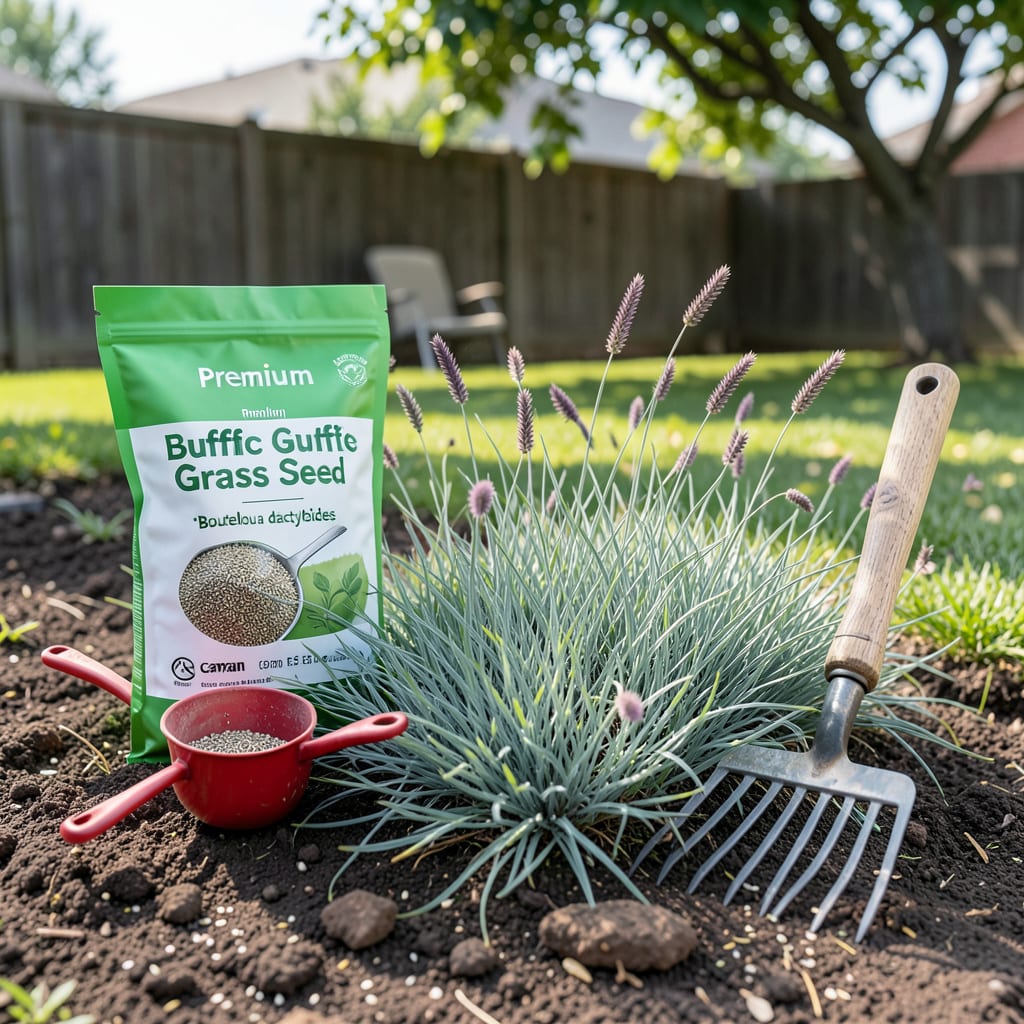
Timing isn’t just important—it’s everything when establishing buffalo grass in Texas. Plant too early, and frost might wipe out your efforts. Wait too long, and scorching summer heat could sabotage germination before roots even take hold.
After studying Texas’ diverse climate zones and consulting Texas A&M AgriLife Extension guidelines, I’ve pinpointed the ideal planting windows for North, Central, and South Texas. Whether you’re in Dallas or Houston, you’ll learn exactly when to sow for a lawn that thrives—not just survives—in our tough conditions.
If you’re dreaming of a low-maintenance, drought-resistant lawn, buffalo grass is your Texas hero. But timing is everything—plant too early, and frost might wipe out your seedlings. Plant too late, and scorching heat could stress young sprouts. The sweet spot? Spring through early summer, when soil temps hit 70°F+.
Texas spans five USDA hardiness zones (6–10), so your ideal planting window shifts dramatically. In North Texas, aim for April–May to avoid late frosts. Along the Gulf Coast, you can start as early as March. West Texas gardeners should wait until May–June when soil warms up. Let’s break it down by region.
Pro tip: Soil temperature matters more than air temp. Use a soil thermometer to check depths of 2–3 inches. If it’s consistently 70°F or warmer, you’re good to go. In North Texas, I’ve seen buffalo grass thrive when planted in late April, just after the last frost date (April 15).
For fall planting, aim for September–early October in most regions. This gives roots time to establish before winter dormancy. However, spring planting is generally more reliable in Texas. The Texas A&M AgriLife Extension recommends spring for best results, as fall-sown seeds may struggle with unpredictable rainfall.
Don’t forget soil prep! Buffalo grass loves well-draining soil with a pH of 6.0–7.5. Test your soil and amend with compost or sand if needed. Clear weeds and debris first—they’ll compete with your new grass for water and nutrients. I like to till the top 4–6 inches for a smooth seedbed.
Watering is critical for the first 4–6 weeks. Keep soil moist but not soggy—about 1/4 inch of water daily until germination. Once established, buffalo grass needs only 1 inch of water weekly, making it perfect for Texas’ dry spells. Use a light mulch (like straw) to retain moisture and protect seeds.
If you’re in drought-prone areas (looking at you, West Texas), consider pre-germinating seeds. Soak them in water for 24 hours before planting to speed up sprouting. This trick can shave 3–5 days off germination time, which is crucial when water is scarce.
Watch for weeds—they’re buffalo grass’s biggest competitor early on. A pre-emergent herbicide (like pendimethalin) can help, but avoid it if seeding. Instead, hand-pull weeds or spot-treat with vinegar. Once your lawn is established, its dense growth will naturally choke out invaders.
Finally, be patient. Buffalo grass germinates in 14–30 days, slower than Bermuda but worth the wait. In Central Texas, I’ve had great success with ‘Prairie’ and ‘Cody’ varieties—they handle heat and drought like champs. Avoid ‘Legacy’ if you’re in high-traffic areas; it’s less durable.
Even with perfect timing, small errors can derail your buffalo grass lawn. I’ve seen Texas gardeners waste months of effort by overlooking key details. The top three mistakes? Planting during drought, skipping soil prep, and choosing the wrong seed variety. Let’s fix these before they sabotage your lawn.
First, never plant during drought—even in spring. Buffalo grass needs consistent moisture for the first 4–6 weeks. If your area has water restrictions, delay planting or invest in a drip irrigation system. In West Texas, I’ve watched entire lawns fail because seedlings dried out before roots established.
Planting in drought conditions without supplemental watering. Buffalo grass seeds need daily moisture to germinate—1/4 inch per day is ideal. Use a soil moisture sensor to monitor levels if rain is scarce.
Skipping soil prep, especially pH testing. Buffalo grass thrives in pH 6.0–7.5. If your soil is too acidic (common in East Texas), add lime. For alkaline soil (West Texas), mix in sulfur or peat moss before planting.
Choosing the wrong variety. ‘Prairie’ and ‘Cody’ handle Texas heat best, while ‘Legacy’ struggles in high-traffic areas. Check with your local county extension for region-specific recommendations—what works in Houston may fail in Lubbock.
Ignoring weed control is another silent killer. Buffalo grass germinates slowly (14–30 days), giving weeds time to take over. I recommend a pre-emergent herbicide (like pendimethalin) 3 weeks before planting. Avoid herbicides after seeding—they’ll kill your grass too! For organic options, corn gluten meal works but requires precise timing.
Overwatering is just as dangerous as drought. While seeds need moist soil, soggy conditions invite fungal diseases like damping-off. Stick to light, frequent watering (1/4 inch daily) until germination, then taper to 1 inch weekly. In humid Gulf Coast areas, reduce frequency to prevent mold. A rain gauge helps track natural rainfall.
Many Texas gardeners also plant too shallow or deep. Buffalo grass seed needs 1/4 inch of soil coverage—no more, no less. Use a lawn roller after planting to ensure good seed-to-soil contact. In rocky West Texas soils, mix seeds with compost or sand to improve contact and moisture retention.
Finally, don’t expect instant results. Buffalo grass establishes slowly but rewards patience with drought resistance and low maintenance. In Central Texas, my lawn took 8 weeks to fill in but now thrives on rainfall alone. Avoid the temptation to overseed—give it time! 🌱
Choosing the right grass for your Texas lawn isn’t just about drought tolerance—it’s about matching your yard’s sun exposure, foot traffic, and maintenance preferences. Buffalo grass shines for its low water needs and native resilience, but how does it stack up against Bermuda, Zoysia, and St. Augustine?
Let’s compare the top contenders for Texas lawns. While buffalo grass requires only 1 inch of water weekly once established, Bermuda demands more frequent mowing (weekly vs. monthly). Zoysia offers a softer texture but struggles in full shade, where St. Augustine thrives—though at the cost of higher water use.
Buffalo grass wins for water conservation and low maintenance, but it’s not perfect. It turns brown in winter (going dormant) and struggles in shady areas. If your yard has large trees or north-facing slopes, consider Zoysia or St. Augustine for those spots. I’ve seen hybrid lawns work well—buffalo grass in sunny areas and Zoysia under partial shade.
For high-traffic yards (kids, pets, or frequent entertaining), Bermuda is tougher. But if you prioritize eco-friendliness and minimal upkeep, buffalo grass can’t be beat. In Central Texas, my buffalo lawn stays green with just rainfall most summers, while my neighbor’s Bermuda requires weekly watering to avoid crispy patches.
Cost is another factor. Buffalo grass seed is cheaper upfront ($2–$4 per pound) but germinates slower. Bermuda sod gives instant results but costs 10x more initially. For budget-conscious gardeners, I recommend buffalo grass plugs—they’re a middle-ground option that fills in faster than seed but costs less than sod.
Finally, think long-term. Buffalo grass lives 20+ years with proper care, while Bermuda and Zoysia may need renovation every 5–10 years. In drought-prone West Texas, buffalo grass is the clear winner. But along the humid Gulf Coast, St. Augustine’s disease resistance might tip the scales. Test a small area first to see what thrives in your microclimate! 🌱
Buffalo grass seeds germinate best when soil reaches 70°F or warmer at a depth of 2–3 inches. Use a soil thermometer to check—don’t rely on air temperature alone. In North Texas, this typically happens in late April, while South Texas may hit it as early as February.
Fall planting is possible in September–early October, but spring is more reliable in Texas. Fall-sown seeds may struggle with unpredictable rainfall or early frosts before roots establish. If you choose fall, monitor soil moisture closely and avoid areas prone to winter flooding.
Keep soil consistently moist but not soggy for the first 4–6 weeks. Aim for 1/4 inch of water daily (rain or irrigation) until germination. Once established, buffalo grass thrives on just 1 inch weekly. Use a light mulch like straw to retain moisture in dry areas.
Avoid ‘Legacy’—it’s less durable under foot traffic. Instead, opt for ‘Prairie’ or ‘Cody’, which handle heat, drought, and moderate activity. For heavily used lawns, consider blending buffalo grass with Bermuda in high-traffic zones.
Slow or failed germination usually stems from three issues: seeds planted too deep (should be 1/4 inch), inconsistent moisture, or soil temps below 70°F. Check for weed competition too—buffalo grass germinates slowly (14–30 days), giving weeds a head start.
