
Beautiful Plants For Your Interior
Beautiful Plants For Your Interior
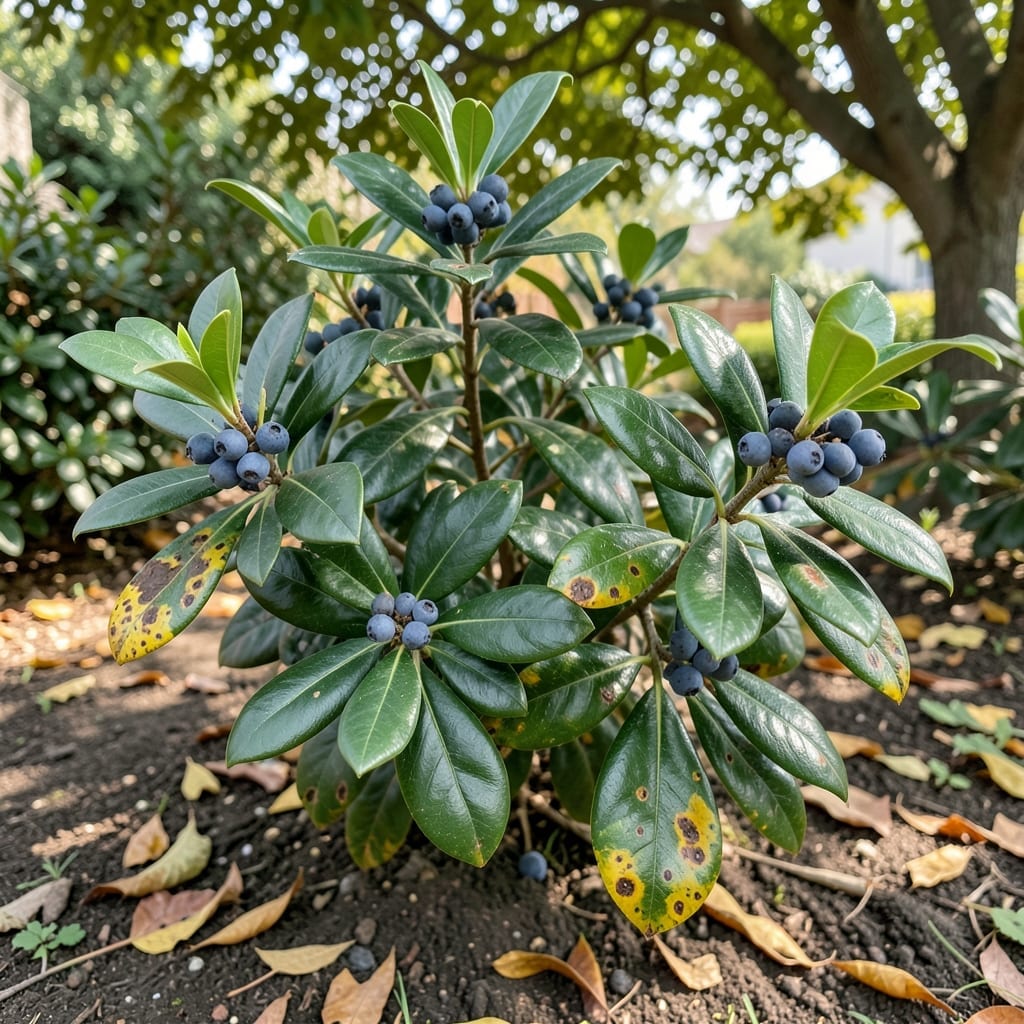
Spotted yellow leaves or blackened stems on your wax myrtle mean trouble. I’ve seen healthy shrubs turn sickly overnight, and the culprit is usually one of three common diseases.
Most issues start with too much moisture or poor air flow. Fungus spreads fast in these conditions, but catching it early makes all the difference.
You’ll learn to identify leaf spots, powdery mildew, and root rot by sight. Each has distinct patterns, and knowing them helps you act before the damage spreads.
Simple fixes like pruning for airflow or adjusting watering can save your plants. Prevention keeps them thriving for years.
Understanding why wax myrtles (Morella cerifera) fall ill starts with recognizing the environmental, biological, and cultural stressors that compromise their health. Below are the primary causes behind common diseases, explained with actionable insights.
Fungal diseases like leaf spot and root rot thrive in waterlogged soil or humid conditions. Wax myrtles prefer well-draining soil; standing water suffocates roots and invites pathogens such as Phytophthora. Overhead irrigation or heavy clay soils exacerbate the issue by keeping foliage wet for extended periods.
Spores from fungi like Cercospora (causing leaf spot) or Botryosphaeria (leading to cankers) spread via wind, rain, or contaminated tools. Bacteria, such as Xanthomonas, enter through wounds or stomata, often triggered by pruning with unsterilized equipment or insect damage. These pathogens exploit weakened plants, especially in crowded landscapes with poor air circulation.
Insects like scale, aphids, or wax myrtle borers create entry points for disease by piercing plant tissues. Their honeydew (a sticky residue) also fosters sooty mold, a secondary fungal issue. Stress from pest feeding reduces the plant’s vigor, making it more susceptible to infections.
Extreme temperatures, drought, or improper sunlight can weaken wax myrtles. Heat stress may lead to scorch, while cold snaps can cause dieback, both of which invite opportunistic pathogens. Similarly, planting in full shade (instead of partial sun) reduces photosynthesis, stunting growth and lowering disease resistance.
Over-fertilization, particularly with high-nitrogen formulas, promotes lush but soft growth that’s prone to fungal attacks. Poor pruning habits—like topping or cutting during wet seasons—can also introduce diseases. Always sanitize tools with a 10% bleach solution between cuts to prevent cross-contamination.
When wax myrtle diseases strike, early action makes all the difference. Below are practical fixes for the most common problems, paired with prevention tips to keep your plants thriving.
Remove infected leaves and branches immediately to stop the spread. Use sterilized pruning shears (dip in rubbing alcohol between cuts). Thin out dense foliage to improve airflow, and avoid overhead watering. Prevention tip: Water at the base of the plant in the morning so leaves dry quickly. 💡
Treat mild cases with a baking soda solution (1 tsp baking soda + 1 quart water + a few drops of dish soap). For severe infections, apply a copper-based fungicide. Space plants at least 3–4 feet apart to reduce humidity. Prevention tip: Plant in full sun and avoid crowded garden beds. ✨
Blast pests off with a strong stream of water, then apply insecticidal soap or neem oil (follow label instructions). For stubborn scale, use horticultural oil in the dormant season. Prevention tip: Encourage beneficial insects like ladybugs by planting companion flowers. 🎯
If roots are mushy and black, trim affected areas and repot in well-draining soil. Amend heavy clay with compost or sand. Cut back on watering—let the top 1–2 inches of soil dry out between waterings. Prevention tip: Use raised beds or containers if your soil stays soggy. 🌡️
This black fungus grows on honeydew left by pests like aphids. Treat the underlying infestation first (see above), then wipe leaves with a damp cloth. Prevention tip: Keep an eye out for sap-sucking pests and address them early. 🔥
Black spots often indicate leaf spot or sooty mold. Leaf spot is fungal, thriving in wet conditions. Sooty mold grows on pest honeydew.
Ensure good airflow and plant in full sun. Space shrubs 3–4 feet apart and avoid overhead watering.
If caught early, yes. Trim mushy roots, repot in well-draining soil, and reduce watering. Severe cases may require removal.
Act at first sight of pests. Use insecticidal soap or neem oil early. Delaying worsens disease risk.