
Beautiful Plants For Your Interior
Beautiful Plants For Your Interior
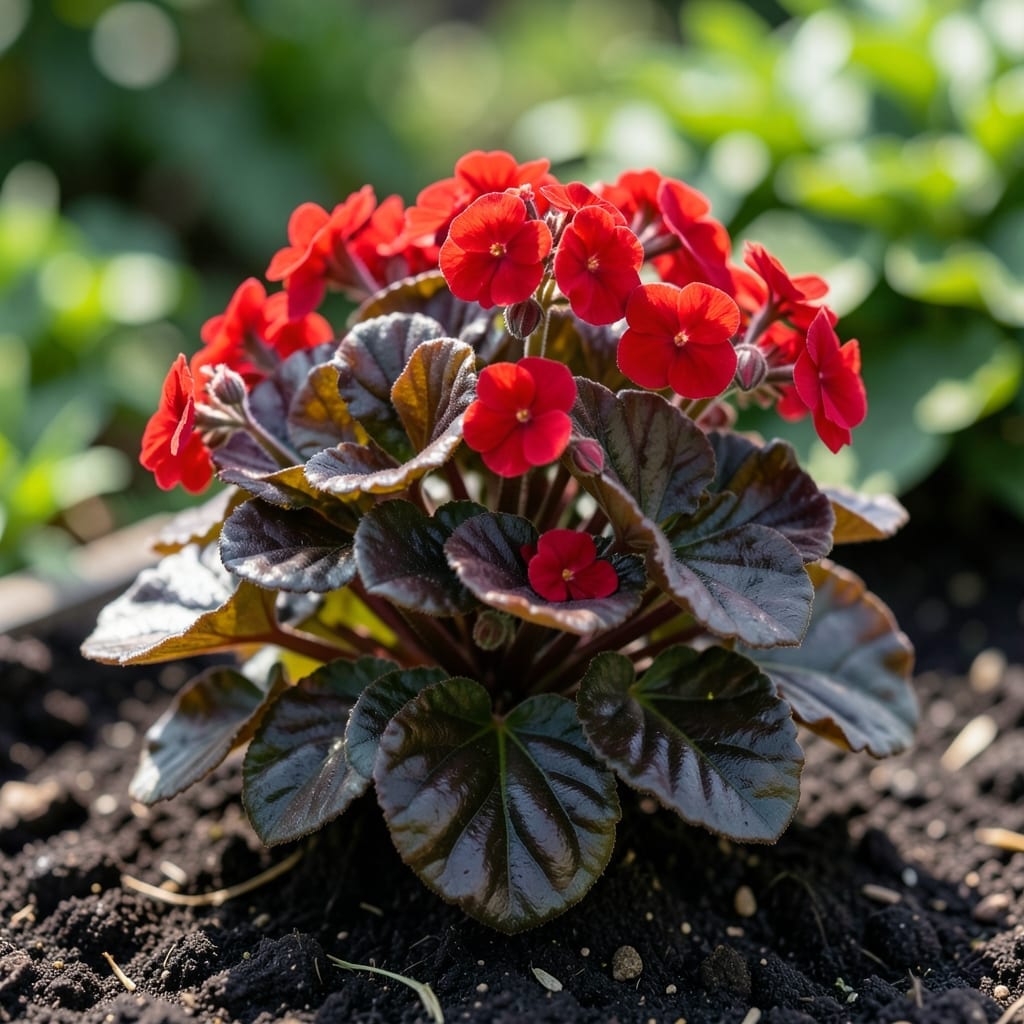
I’ve seen too many gardeners struggle with their Wax Begonias 🌸 because they got the light conditions wrong. It’s a common mistake that can leave your plants weak or burned.
Getting the balance between sun and shade is the key to vibrant blooms and healthy growth. These plants aren’t just picky—they’re particular.
Let me show you how to find that perfect spot so your Wax Begonias thrive without the guesswork.
 Best Window Placement
If you want your wax begonias to thrive, nailing the light conditions is non-negotiable. These beauties prefer partial shade but can handle some sun if it’s gentle morning light. Too much direct afternoon sun will scorch their leaves, while deep shade makes them sparse.☀️
I’ve found that 4-6 hours of morning sun or filtered light all day works perfectly. This mimics their natural understory habitat, giving them the energy to bloom without the stress of harsh rays.
| Requirement | Specification |
|---|---|
| Ideal Light | Partial shade, 4-6 hours morning sun |
| Direct Sun Tolerance | Low, scorch risk after noon |
| Best Window Direction | East-facing for gentle light |
| Indoor Placement | Near east or north windows |
In my garden, I place wax begonias under taller plants or on the east side of my house. This gives them that dappled sunlight they love. If you’re using containers, move them to shadier spots as the day heats up.
Filtered light through trees or sheer curtains indoors also works wonders. It softens the intensity while still providing the energy they need for those vibrant blooms. Just watch for leggy stems—that’s a sign they’re not getting enough light.
During the hottest summer months, even morning sun can be too intense in some regions. If you notice brown edges on the leaves, it’s time to add more shade. A simple shade cloth can be a game-changer in these cases.
For indoor growers, an east-facing window is your best bet. It provides bright but indirect light that won’t overwhelm your plants. If you only have south or west windows, pull them back a few feet from the glass.
Remember, consistency is key. Wax begonias don’t like sudden changes in light conditions. If you need to move them, do it gradually over a week to avoid shocking the plants.
If you’re unsure about your garden’s light, try this test: place your hand where you want to plant. If you can see a clear shadow most of the day, it’s too sunny. A fuzzy shadow means you’ve found the sweet spot.
With the right light, your wax begonias will reward you with lush foliage and abundant flowers all season long. It’s all about finding that balance between sun and shade.🌸
Finding the perfect spot for wax begonias means matching their light needs to your garden’s layout. I’ve had great success with containers on east-facing patios, where they get gentle morning sun before the heat sets in.
Flower beds under tall trees work well too, as the canopy provides that filtered light they love. Just ensure they’re not in the tree’s root zone, competing for water and nutrients.
For balcony gardeners, a north or east-facing railing is perfect. If you only have a west-facing space, use a shade cloth during peak afternoon hours to protect your begonias.
I’ve noticed that hanging baskets can dry out faster, so check soil moisture daily. The elevated position often means more air circulation and quicker evaporation, especially in warmer climates.
If you’re planting in flower beds, group wax begonias with plants that have similar light needs. Good companions include impatiens and coleus, which also thrive in partial shade.
Don’t forget to rotate container plants occasionally for even growth. This is especially important if your space only gets light from one direction, as the plants will naturally lean toward the light source.🌸