
Beautiful Plants For Your Interior
Beautiful Plants For Your Interior
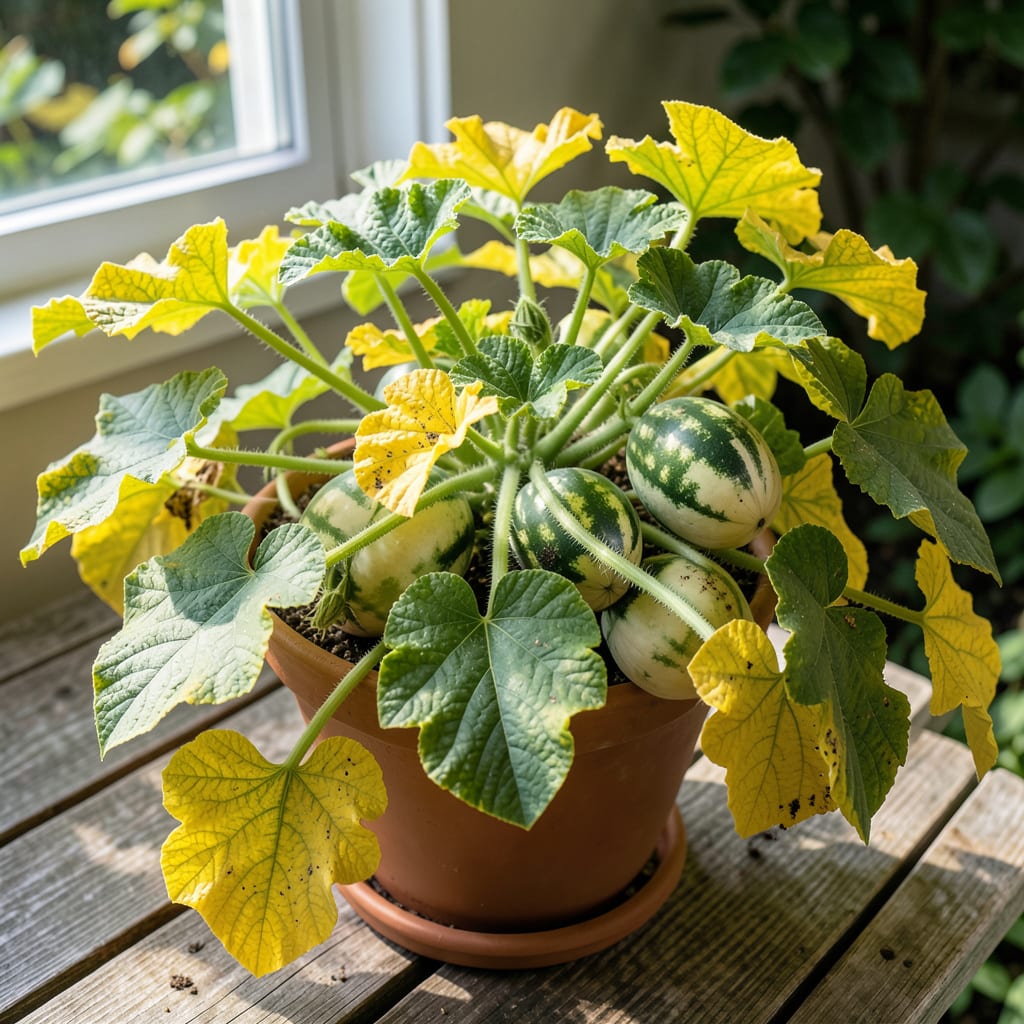
Yellow leaves on watermelon plants always mean one thing: your vines are trying to tell you something. I’ve seen this in my own garden when the soil stayed soggy after a week of rain.
The usual suspects are too much water, not enough nitrogen, or roots that can’t breathe. Most folks jump to spraying something, but the fix is usually simpler—adjust your care routine before reaching for chemicals.
You’ll spot the difference between overwatering (soft yellowing) and deficiency (uniform pale leaves) within 2-3 days of changing your approach. The recovery is faster than you’d expect.
Works for container plants, raised beds, or field-grown vines. Here’s how to diagnose and fix it.
Yellow leaves on watermelon plants are a distress signal, often tied to environmental stress, nutrient imbalances, or disease. Below are the most common causes, explained with actionable insights.
Nitrogen, magnesium, or iron shortages often manifest as yellowing. Nitrogen deficiency starts with older leaves turning pale green to yellow, while magnesium deficiency causes interveinal chlorosis (yellowing between veins) on older leaves first. Iron deficiency, in contrast, affects younger leaves due to its immobility in the plant. A soil test is the best way to confirm and correct the issue with targeted fertilizers.
Watermelons hate “wet feet.” Overwatering or compacted soil suffocates roots, reducing oxygen uptake and nutrient absorption. This leads to uniform yellowing, often accompanied by wilting. Check soil moisture 2 inches down—if it’s soggy, reduce watering and improve drainage with organic matter like compost.
Fusarium wilt and powdery mildew are common culprits. Fusarium causes yellowing along one side of the leaf or vine, often progressing to brown necrosis. Powdery mildew creates white, powdery spots on leaves, leading to yellowing and death. Prevent these with crop rotation, resistant varieties, and fungicidal sprays (e.g., copper-based) at the first sign of trouble.
Sap-sucking pests like aphids, whiteflies, or spider mites drain nutrients from leaves, causing stippling, curling, and yellowing. Inspect the undersides of leaves for tiny insects or webbing. Treat with neem oil or insecticidal soap to restore plant health.
Yellow leaves on your watermelon plants are a sign of distress, but the good news is that most causes are fixable with a few adjustments. Below are targeted solutions for the most common issues, along with prevention tips to keep your plants thriving.
Fix: Reduce watering immediately and ensure the soil has proper drainage. Watermelon plants prefer moist but not soggy soil. If root rot is suspected, gently remove the plant, trim any black or mushy roots, and repot in fresh, well-draining soil. Use raised beds or containers if your garden soil retains too much water.
Prevention: Water only when the top inch of soil feels dry. Use a drip irrigation system to avoid wetting the leaves, which can also prevent fungal issues.
Fix: Identify the missing nutrient and amend the soil accordingly:
Prevention: Conduct a soil test before planting to address deficiencies proactively. Regularly add compost to enrich the soil naturally.
Fix: Treat aphids, spider mites, or whiteflies with insecticidal soap or neem oil. For severe infestations, remove heavily affected leaves and dispose of them away from the garden. Introduce beneficial insects like ladybugs for a natural defense.
Prevention: Inspect plants regularly for early signs of pests. Companion planting with marigolds or basil can deter common watermelon pests.
Fix: Provide shade during extreme heat with a shade cloth (30-50% coverage). If cold weather is the culprit, use row covers to protect plants. Ensure plants receive 6-8 hours of sunlight daily for optimal growth.
Prevention: Plant watermelons in a location with consistent sunlight and stable temperatures. Mulch around the base to retain soil moisture and regulate temperature.
Water deeply 1-2 times per week, allowing the top inch of soil to dry between waterings. Overwatering is a common cause of yellow leaves, so always check soil moisture first.
Nitrogen, magnesium, and iron deficiencies are the top culprits. Older leaves yellow first with nitrogen or magnesium shortages, while iron affects younger leaves. A soil test can pinpoint the exact issue.
Severely damaged leaves won’t recover, but correcting the issue (like improving drainage or adding nutrients) will help new growth stay green. Remove badly yellowed leaves to redirect energy.
Spray with neem oil or insecticidal soap at the first sign of pests like aphids or spider mites. Focus on the undersides of leaves where pests often hide.
