
Beautiful Plants For Your Interior
Beautiful Plants For Your Interior
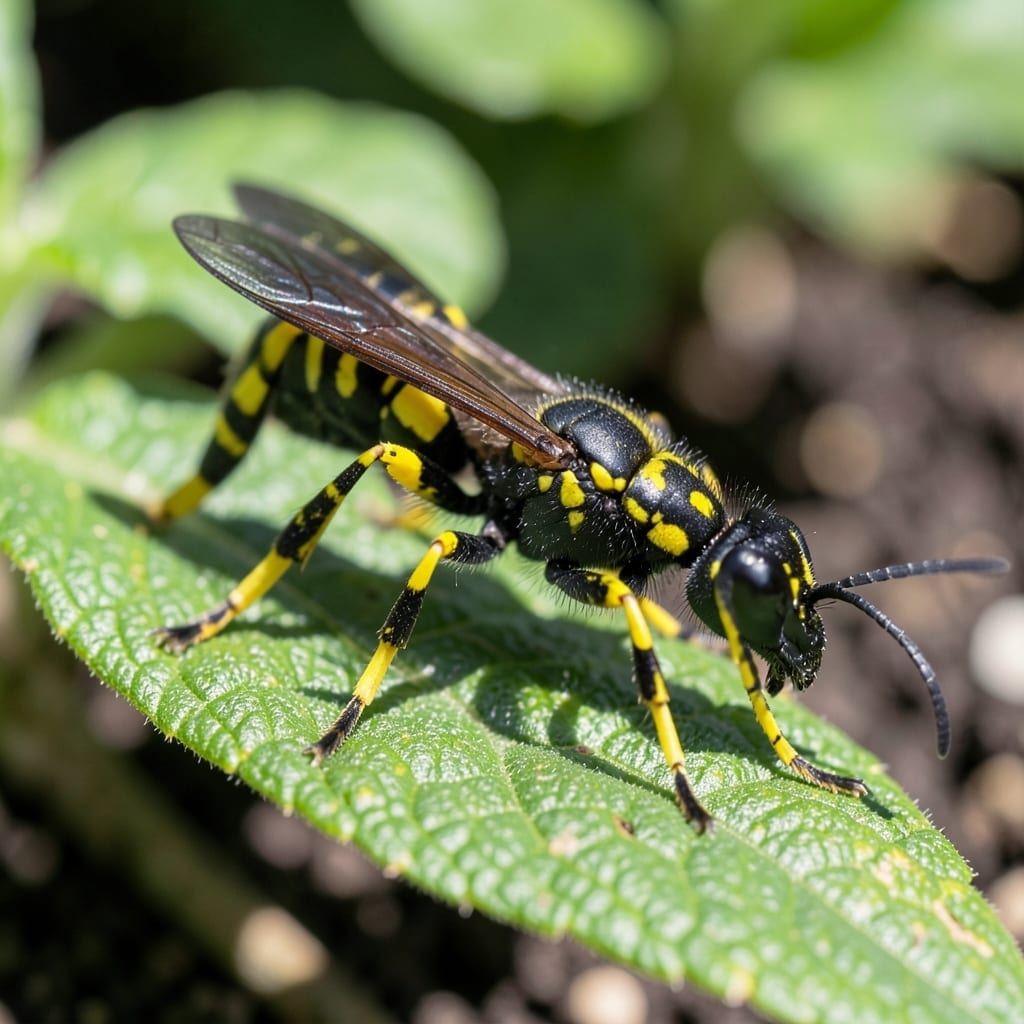
That yellow-and-black-legged wasp in your garden isn’t random—it’s likely a paper wasp or mud dauber. I’ve learned to spot the difference by their nesting habits and that distinct leg coloration.
Here’s the thing—most of these wasps are actually garden allies, hunting caterpillars and other pests that damage plants. They only sting when threatened, so observation first, panic later.
If they’re nesting too close to your home, natural deterrents work better than swatting. Peppermint oil spray and decoy nests can convince them to relocate without chemicals.
Prevention is simpler than reaction. Keep outdoor food covered and seal trash bins tightly. These small steps reduce the chances of unwanted encounters significantly.
The vibrant yellow and black legs of certain wasps are not just for show—they serve key biological and ecological purposes. Below are the primary reasons behind this striking coloration:
Many wasps with yellow and black legs, such as those in the Vespidae family, use this color pattern as a warning to predators. Known as aposematism, these bright colors signal that the wasp is venomous or otherwise dangerous. Predators learn to associate these colors with pain or discomfort, reducing the likelihood of an attack.
Some wasp species mimic the appearance of more aggressive or venomous wasps to deter predators. This form of Batesian mimicry allows harmless or less harmful species to benefit from the reputation of their more dangerous counterparts. The yellow and black legs often play a role in this deceptive strategy.
In certain wasp species, the yellow and black leg coloration is a genetic trait tied to their classification. For example, paper wasps (Polistes spp.) often exhibit this coloration as part of their natural pigmentation. These traits can also help in identifying specific species within a region.
In some cases, the coloration may aid in thermoregulation or camouflage within their natural habitat. Yellow and black patterns can help wasps blend into flowers or other environments where they hunt or nest, providing both protection and an advantage in ambushing prey.
Encountering a wasp with yellow and black legs can be alarming, but there are safe and effective ways to address the situation. Here’s how to solve common issues related to these wasps, along with prevention tips to keep them at bay.
If you notice a nest, do not attempt to remove it yourself. Instead:
Prevention tip: 💡 Regularly inspect your property for early signs of nesting, especially in spring and summer.
For those with allergies, a sting from this wasp can be dangerous. Act quickly:
Prevention tip: 🎯 Avoid wearing bright colors or floral prints, as these can attract wasps.
Finding one indoors? Stay calm and:
Prevention tip: ✨ Seal cracks and gaps in windows, doors, and walls to prevent entry.
By taking these steps, you can minimize risks and keep your home and family safe from unwanted encounters.
Most yellow-and-black-legged wasps aren’t aggressive unless provoked. They’ll focus on hunting pests like caterpillars. Keep a safe distance and avoid sudden movements to prevent stings.
Yes, many of these wasps help pollinate flowers while hunting for nectar. They’re beneficial to gardens, controlling harmful insects and aiding plant reproduction.
Look for small, papery structures under eaves or in sheltered spots. Early nests are tiny but grow quickly. Inspect your property weekly during warm months.