
Beautiful Plants For Your Interior
Beautiful Plants For Your Interior
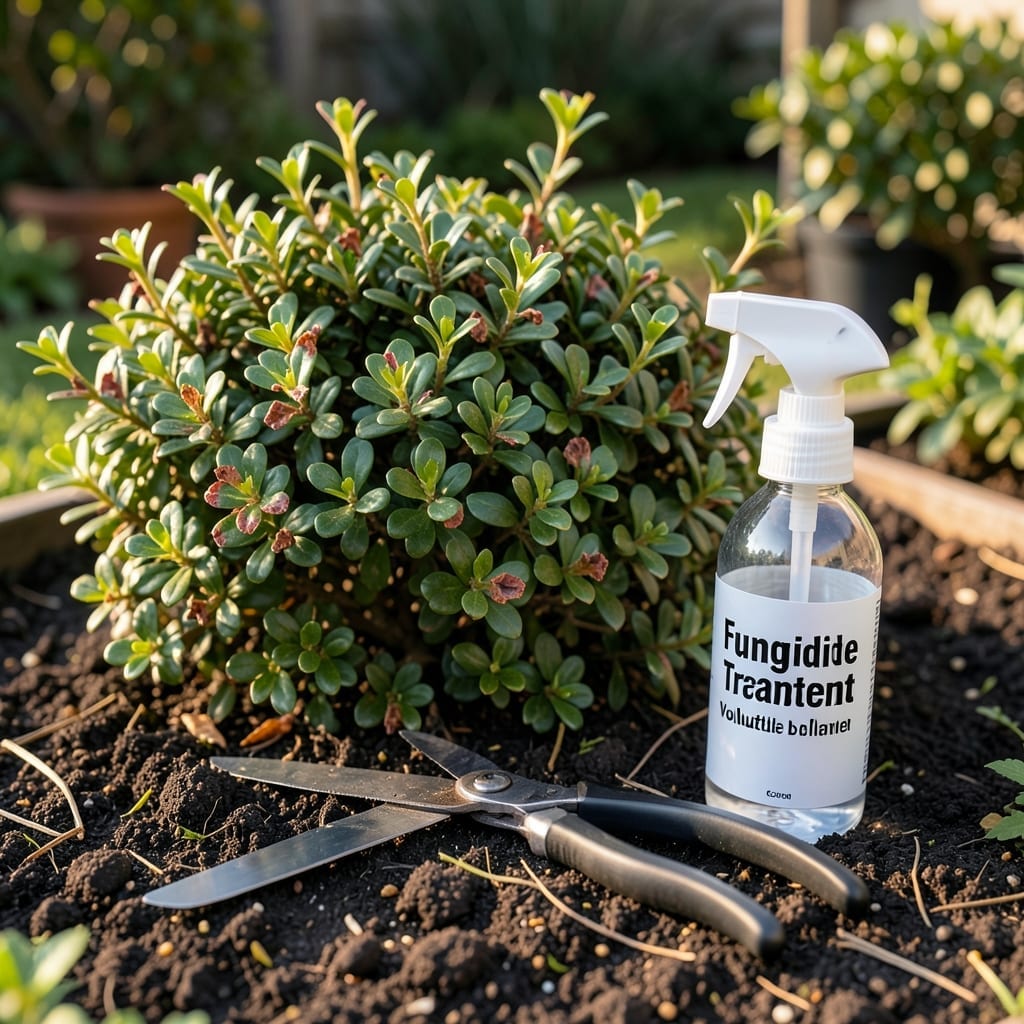
That brown, dying patch on your pachysandra isn’t just drought stress. Volutella blight spreads fast, turning healthy ground covers into crispy mats if you don’t act.
I lost a 20-foot border to this before learning the signs: wilting, yellowing, then sudden collapse. The good news? Organic treatments work if you catch it early and stay consistent.
You’ll see new growth returning within 2-3 weeks of starting treatment. The key is removing infected material, improving airflow, and applying the right natural fungicides at the right time.
Works for pachysandra, boxwood, and other susceptible plants. Here’s how to save your garden.
Volutella blight, a common fungal disease, doesn’t appear out of nowhere. It’s driven by specific environmental and cultural conditions that favor the growth and spread of the Volutella fungus. Understanding these causes is the first step toward effective volutella blight treatment and prevention.
The primary trigger for Volutella blight is prolonged moisture. The fungus thrives in damp, humid environments, particularly when plants—such as boxwoods—remain wet for extended periods. Overhead irrigation, poor drainage, or frequent rain can create the perfect breeding ground for spores to germinate and infect foliage.
Volutella fungi are most active in moderate temperatures, typically between 60–75°F (15–24°C). During these conditions, the pathogen spreads rapidly, especially in dense plantings where air circulation is limited. Cool, wet springs or falls often see the highest infection rates.
Dense canopies or overcrowded plants restrict airflow, trapping moisture and creating a microclimate ideal for fungal growth. Pruning for better ventilation and spacing plants appropriately can significantly reduce the risk of infection.
Stressed or injured plants are more susceptible to Volutella infection. Physical damage from pruning, insects, or mechanical injury provides entry points for the fungus. Additionally, plants weakened by drought, nutrient deficiencies, or root compaction lack the vigor to fend off pathogens effectively.
Combatting Volutella blight requires a mix of cultural practices, organic treatments, and preventive measures. Below are actionable solutions tailored to each cause, ensuring your plants stay vibrant and disease-free.
Thick foliage traps moisture, creating a perfect breeding ground for the fungus. Thin out dense plantings to allow air to circulate freely. Space pachysandra or other ground covers at least 6–12 inches apart. Prune nearby shrubs or trees casting excess shade, as dappled sunlight helps dry foliage faster.
Prevention tip: 💡 Plant in well-spaced rows and avoid over-fertilizing, which encourages overly lush growth.
Overhead watering or soggy soil invites fungal spores to take hold. Switch to drip irrigation or soaker hoses to keep foliage dry. Water early in the morning so leaves dry by midday. Ensure soil drains well—amend heavy clay with compost or sand. If blight appears, hold off on watering until the top inch of soil is dry.
Prevention tip: ✨ Mulch with shredded bark to reduce soil splashing, which can spread spores.
For active infections, spray affected plants with copper-based fungicides or neem oil (mixed per label instructions). Apply in the early stages of disease, repeating every 7–10 days until symptoms subside. Remove and destroy severely infected plants to prevent further spread—do not compost them.
Prevention tip: 🎯 Rotate treatments with baking soda sprays (1 tbsp baking soda + 1 tsp dish soap + 1 gallon water) for a gentle, DIY approach.
Fungal spores overwinter in fallen leaves and plant debris. Rake and remove all affected foliage, and dispose of it in sealed bags. Disinfect pruning tools with rubbing alcohol after each use to avoid cross-contamination. In fall, clear the garden bed entirely to disrupt the fungus’s life cycle.
Prevention tip: 🌡️ Sterilize garden tools and pots regularly to keep spores at bay.
With consistent organic treatments, you’ll notice new growth within 2-3 weeks. Full recovery may take 4-6 weeks depending on the severity of the infection.
Yes, but start with organic options first. If needed, chemical fungicides containing chlorothalonil or propiconazole are effective. Always follow label instructions carefully.
Improve airflow by spacing plants 6-12 inches apart and water at the base. Remove fallen leaves promptly and disinfect tools after each use.
No, never compost infected material. The fungus can survive and spread. Seal and dispose of it with household trash instead.