
Beautiful Plants For Your Interior
Beautiful Plants For Your Interior
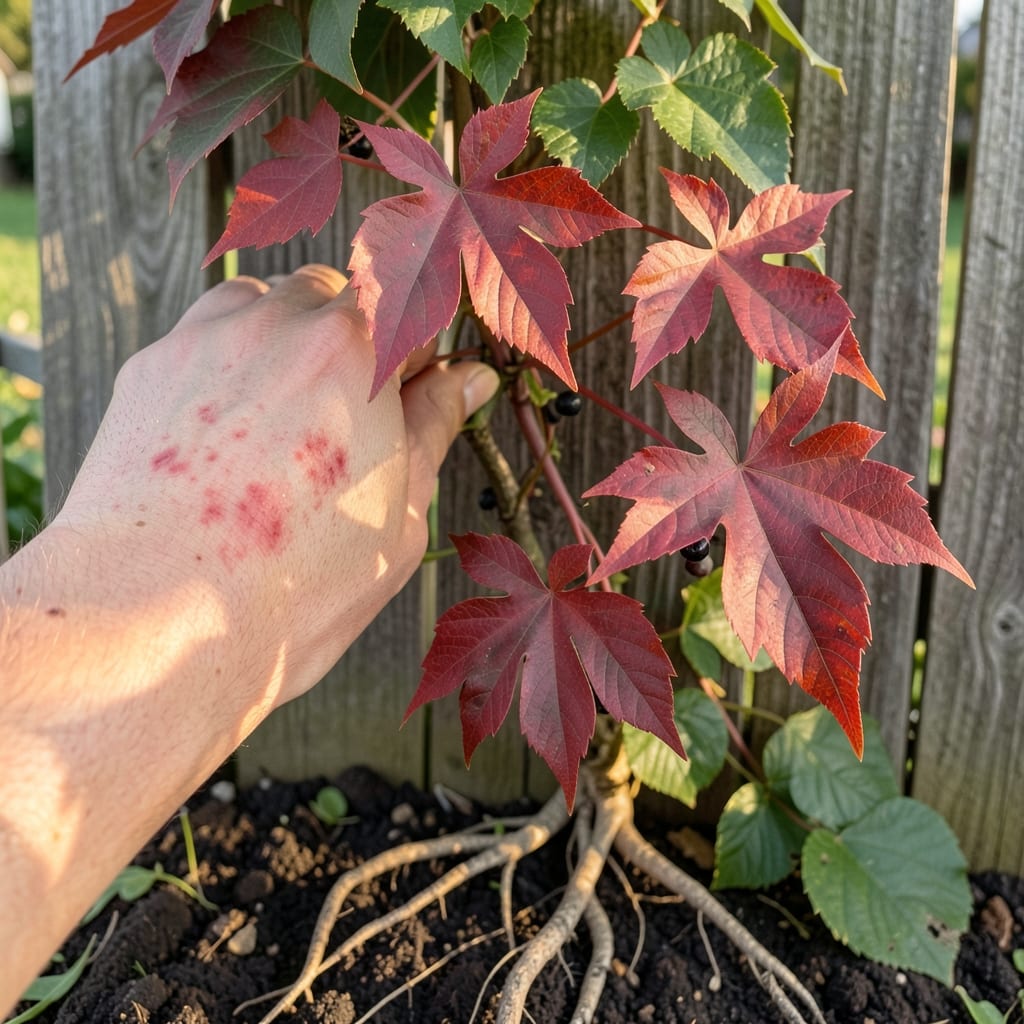
I learned the hard way that Virginia creeper isn’t just a pretty vine. That red, itchy rash appeared after trimming back my garden’s fast-growing wall of green.
The sap contains urushiol—the same compound as poison ivy. Even brief contact leaves me scratching for days. The worst part? You don’t need to touch the plant directly. Brushing against it or handling tools that touched it can trigger the reaction.
Natural relief starts with washing the area immediately with soap and cool water. Then I apply calamine or a paste of baking soda and water to ease the itch. Oatmeal baths help when the rash spreads.
Prevention means wearing long sleeves, gloves, and washing clothes separately after working near it. I also keep a dedicated pair of pruners just for this plant to avoid cross-contamination.
The rash triggered by Parthenocissus quinquefolia (Virginia creeper) isn’t caused by the plant itself but by a compound it contains. Here’s the science behind the irritation:
The primary culprit is calcium oxalate, a needle-shaped crystal found in the plant’s sap. When the skin is scratched or crushed against the leaves, stems, or berries, these microscopic crystals penetrate the outer layer of skin. Once embedded, they release oxalic acid, which triggers an immune response. Your body reacts with inflammation, redness, and itching as it tries to neutralize the irritant.
Virginia creeper doesn’t release toxins into the air like poison ivy. Instead, the rash occurs only through direct contact with damaged plant tissue. Brushing against the plant usually isn’t enough—the skin must be broken (e.g., by scratching, rubbing, or cutting) for the oxalates to enter and cause a reaction. Gardeners, hikers, and children playing near the plant are most at risk.
Not everyone reacts the same way. Sensitivity depends on skin thickness, immune system response, and prior exposure. Some people may develop a mild rash, while others experience severe blistering. Those with pre-existing eczema or sensitive skin are more prone to stronger reactions. Repeated exposure can also heighten sensitivity over time.
If you’ve come into contact with Parthenocissus quinquefolia (Virginia creeper) and developed a rash, don’t panic—relief is within reach. The good news is that most cases are mild and can be managed at home with simple, effective remedies. Below are targeted solutions based on the cause, along with prevention tips to keep your skin safe in the future.
If you suspect the rash is from direct contact with the plant’s sap or leaves, rinse the affected area with cool water and mild soap as soon as possible. This helps remove any lingering irritants. Avoid hot water, as it can open pores and worsen irritation. Follow up with a cool compress to soothe inflammation and reduce itching.
For mild allergic reactions (redness, itching, or blisters), over-the-counter hydrocortisone cream or calamine lotion can provide quick relief. Natural options include aloe vera gel (for cooling) or a baking soda paste (1 part baking soda to 3 parts water) to neutralize the irritation. If blisters form, keep them intact to prevent infection.
Prevent future rashes by wearing long sleeves, gloves, and closed-toe shoes when handling Virginia creeper. After gardening, wash your clothes and tools separately to avoid spreading sap. If you’re highly sensitive, consider removing the plant or keeping it in less trafficked areas of your yard.
💡 Pro Tip: If the rash spreads, worsens, or shows signs of infection (pus, fever), seek medical attention immediately. Most cases clear up within 1–2 weeks with proper care!
Symptoms typically develop within 12-48 hours after exposure. Some may notice redness or itching sooner, but blisters often take a full day to form.
No, the rash itself isn’t contagious. It only appears where skin touched the plant’s sap. However, oils on tools or clothing can transfer to others.
No, they’re different compounds. Virginia creeper causes irritation from oxalate crystals, while poison ivy’s rash comes from urushiol oil. Both require similar treatment though.
With proper care, most rashes clear in 1-2 weeks. Severe cases may take longer. Keep the area clean and avoid scratching.