
Beautiful Plants For Your Interior
Beautiful Plants For Your Interior
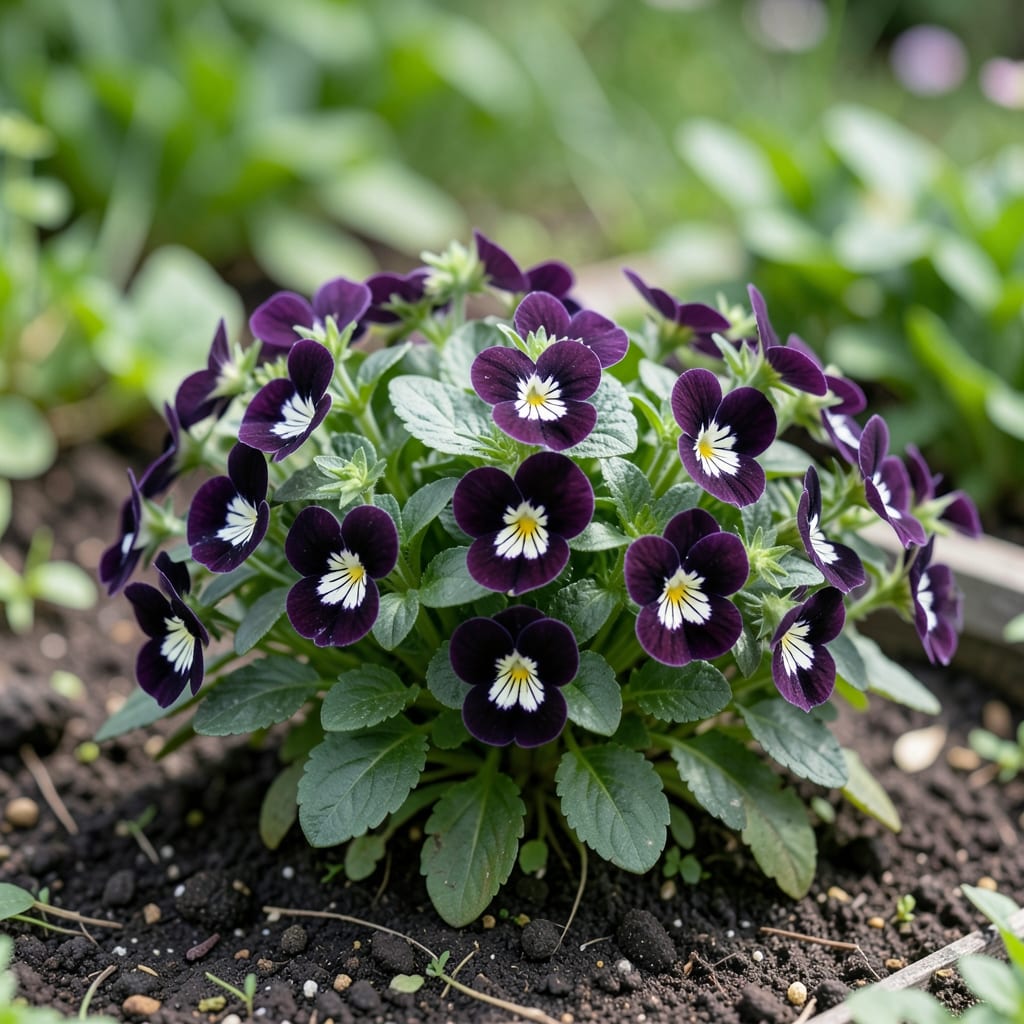
White Czar violas bring early spring color when most gardens are still brown. I’ve grown these for years, and their crisp white blooms with purple centers never fail to impress.
They thrive in cool weather, preferring partial shade and consistently moist soil. Plant them in beds, borders, or containers for a foolproof burst of early-season beauty.
📚 In This Guide
This method ensures vibrant blooms and healthy plants with minimal effort.
Select a spot with partial to full sun—Viola White Czar thrives with 4-6 hours of sunlight daily. Morning sun is ideal, as it dries dew quickly, reducing the risk of fungal issues. I like to plant mine where they get gentle afternoon shade, especially in warmer climates.
Ensure the soil is well-draining and rich in organic matter. If your garden soil is heavy clay, amend it with compost or plant in raised beds. You’ll see the best growth when the roots have room to spread without sitting in water.
Loosen the soil to a depth of 6-8 inches and mix in a 2-inch layer of compost to improve fertility. Viola White Czar prefers slightly acidic to neutral soil (pH 6.0-7.0). If you’re unsure, a simple soil test kit can confirm this.
Space plants 6-8 inches apart to allow for air circulation, which prevents mildew. Dig a hole just deep enough to accommodate the root ball, then gently firm the soil around the base. Water immediately after planting to help the roots settle in.
Keep the soil consistently moist but not soggy. Water at the base of the plant to avoid wetting the leaves, which can lead to disease. I check the soil daily—if the top ½ inch feels dry, it’s time to water again.
Apply a 1-2 inch layer of mulch around the plants to retain moisture and suppress weeds. Use organic mulch like shredded bark or straw, which will break down over time and enrich the soil. Avoid piling mulch directly against the stems.
Feed your Viola White Czar with a balanced, water-soluble fertilizer every 2-3 weeks during the growing season. A 10-10-10 or 12-12-12 formula works well. Dilute it to half the recommended strength to avoid over-fertilizing, which can lead to leafy growth at the expense of flowers.
Deadhead spent blooms regularly to encourage more flowers. Pinch off faded blooms just below the flower stem to keep the plant looking tidy and to redirect energy into new growth. You’ll notice a surge in blooms within a week of starting this practice.
Watch for common pests like aphids and slugs, which are attracted to violas. Aphids can be blasted off with a strong stream of water, while slugs can be deterred with organic slug bait or a barrier of diatomaceous earth. I’ve found that handpicking slugs in the evening works well too.
If you notice yellowing leaves or stunted growth, check for signs of powdery mildew or root rot. Improve air circulation and reduce watering if the soil feels too wet. Healthy plants with good airflow are less likely to succumb to these issues.
Small adjustments make a big difference when growing these delicate blooms.
Sunlight Strategy: The 4-6 hours of daily sun mentioned in Step 1 is non-negotiable for vibrant blooms. Morning sun is ideal as it dries dew quickly, but if your climate is hot, that gentle afternoon shade I suggested will prevent wilting. Trust me on this—too much harsh afternoon sun can scorch the petals.
Soil Preparation Tip: In Step 2, when loosening soil to 6-8 inches deep, don’t skip the 2-inch compost layer. I learned this the hard way after my first batch struggled in poor soil. The compost not only feeds the plants but improves drainage, which Viola White Czar absolutely needs to thrive.
Watering Wisdom: That ½ inch soil dryness check from Step 3 is your best guide. Water at the base only—I can’t stress this enough. Wet leaves invite fungal issues, and these plants are particularly susceptible. A consistent moisture level, not soggy soil, keeps them happy.
Keep foliage dry by watering at the base early in the day. Ensure good air circulation and avoid overcrowding. Remove affected leaves promptly, and consider fungicide sprays if needed.
Plant in early spring or fall for optimal results. In mild climates, fall planting allows roots to establish before winter, leading to vibrant spring blooms.
Try other Viola varieties like ‘Sorbet XP’ or pansies for similar beauty. Johnny-jump-ups and violets also offer comparable charm with minimal care.
Lack of sunlight, poor soil fertility, or overwatering may be the culprit. Ensure 6+ hours of sun, well-draining soil, and consistent moisture without waterlogging.
Yes! Use a well-draining potting mix and ensure containers have drainage holes. Keep soil moist but not soggy, and place pots in partial to full sun.