
Beautiful Plants For Your Interior
Beautiful Plants For Your Interior
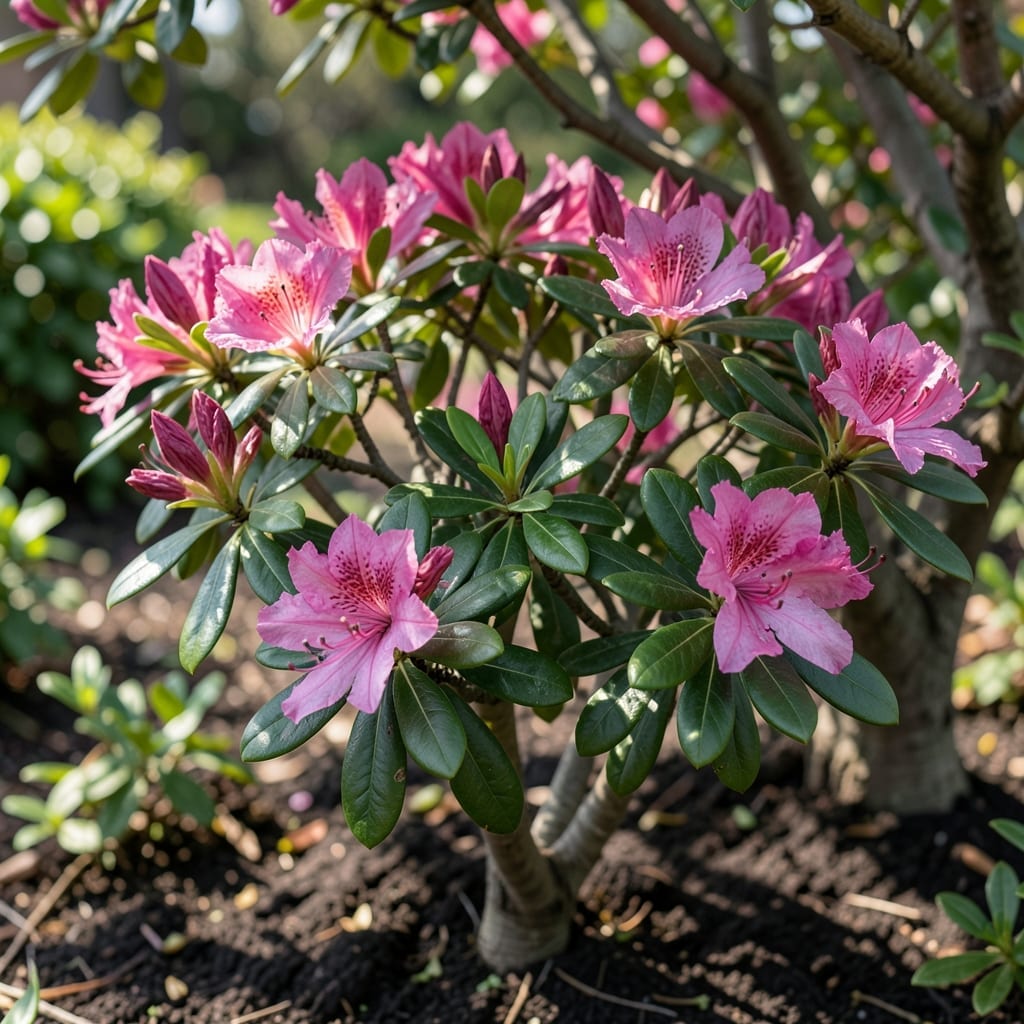
Azaleas dazzle with vibrant spring blooms, but their light requirements often puzzle gardeners. Getting the sunlight balance right is the key to lush foliage and abundant flowers.
The 🌸 Azalea thrives in partial shade, but the exact needs vary by type and climate. Too much sun can scorch leaves, while too little leads to sparse blooms.
I’ll walk you through the ideal conditions for your Azalea, so you can enjoy its beauty without the guesswork. Let’s discover the perfect light recipe together.

If you want your azaleas to thrive, getting the sunlight balance right is crucial. These beautiful shrubs prefer partial shade for optimal growth and blooming.
Most azalea varieties do best with 4-6 hours of sunlight daily, ideally in the morning. This gentle exposure encourages vibrant blooms without risking leaf scorch.
| Azalea Type | Ideal Sun Exposure | Daily Hours Needed |
|---|---|---|
| Evergreen Azaleas | Filtered morning sun | 4-5 hours |
| Deciduous Azaleas | Partial shade | 5-6 hours |
| Dwarf Azaleas | Dappled sunlight | 3-4 hours |
In hotter climates (USDA zones 7-8), azaleas benefit from more shade, especially during peak afternoon hours. This protects their delicate foliage from intense heat.
Morning sun is always preferable to afternoon sun for azaleas. The cooler morning light promotes photosynthesis without the stress of midday heat.
If you’re in a cooler climate (zones 4-6), your azaleas can handle a bit more sun, up to 6-7 hours daily. Just ensure they’re protected from harsh afternoon rays.
For container-grown azaleas, I recommend placing them where they’ll receive gentle eastern exposure. This mimics their natural understory habitat in the wild.
Filtered light through tall trees creates the perfect environment. Think of how azaleas grow naturally beneath a forest canopy with dappled sunlight throughout the day.
Remember, too much direct sun can cause leaf scorch and faded blooms. If you notice these signs, it’s time to provide more shade.
On the other hand, too little light results in leggy growth and fewer flowers. Azaleas need that balance of light and shade to truly shine in your garden.
By following these guidelines, you’ll create the ideal conditions for your azaleas to produce abundant, colorful blooms year after year 🌸
Even with the best intentions, azaleas can show stress signs when their light needs aren’t met. Leaf scorch is a common red flag of too much direct sun, especially in hot climates.
If your azalea’s leaves develop brown crispy edges, it’s likely receiving harsh afternoon sunlight. This happens because the delicate foliage can’t handle intense heat without adequate moisture.
⚠️ Warning: Leaf scorch and faded blooms mean your azalea is getting too much sun. Move it to a spot with morning sun only or add shade cloth.
On the flip side, leggy growth with fewer flowers signals insufficient light. Azaleas stretch toward light sources when they’re not getting enough, resulting in weak, sparse stems.
Yellowing leaves can also indicate light issues, though this may overlap with nutrient deficiencies. If the yellowing appears on the sun-exposed side first, it’s likely a sunburn problem.
For container azaleas, watch for uneven growth. If one side looks lush while the other is bare, rotate the pot to ensure even light distribution.
I’ve found that morning observation is key. Check your azaleas early in the day to see how they’re responding to their light conditions before the heat sets in.
With these early warning signs, you can adjust your azalea’s position before permanent damage occurs, ensuring healthy growth and vibrant blooms for seasons to come 🌸