
Beautiful Plants For Your Interior
Beautiful Plants For Your Interior
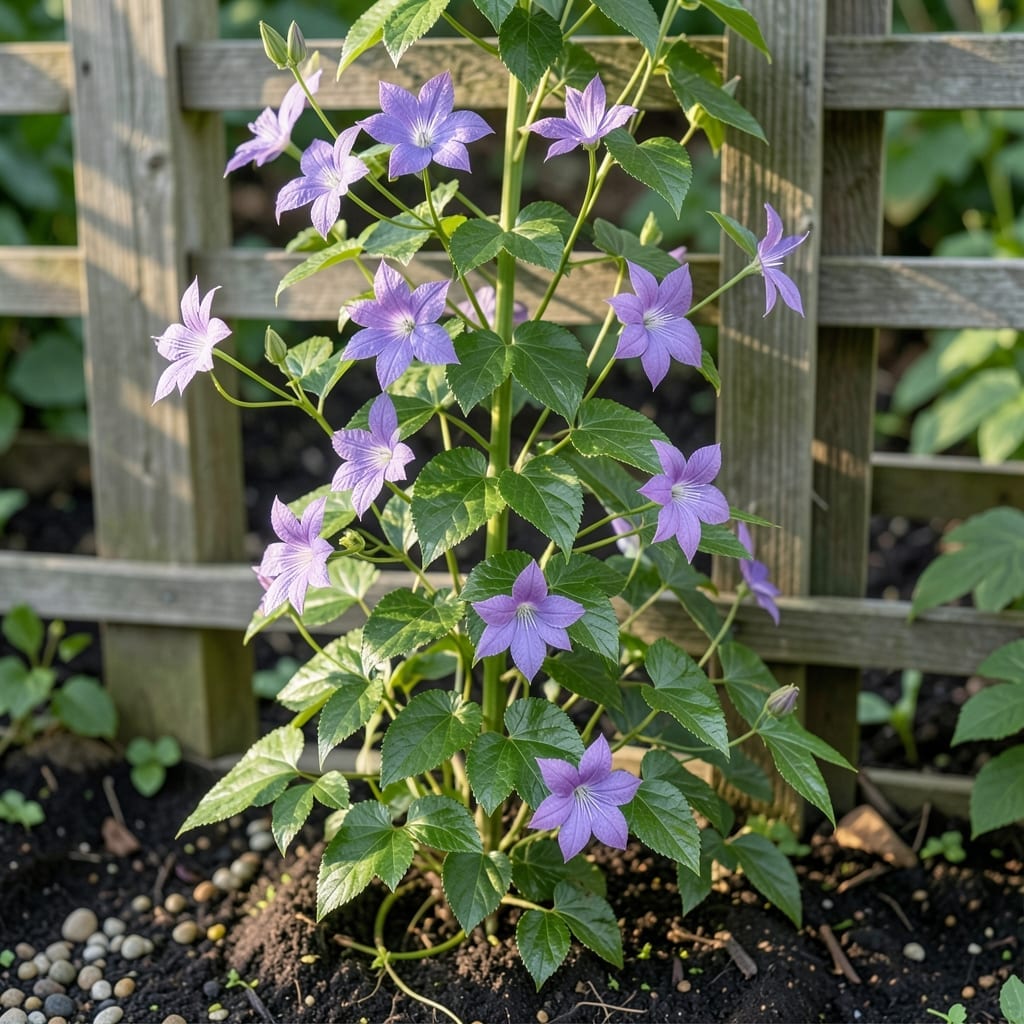
I fell for a purple-flowering vine on a fence last spring and haven’t looked back. These climbers add color without demanding much space or effort.
Most thrive with full sun and well-draining soil, and they’ll reward you with blooms from early summer through fall. Some even tolerate partial shade, making them versatile for patios or trellises.
You’ll get a cascade of violet, lavender, or deep purple flowers that attract pollinators and brighten up any vertical space. The best part? Many are drought-tolerant once established.
Perfect for beginners or anyone wanting low-maintenance beauty. Here’s how to pick and care for your favorite.
The appearance of small purple flowers on vines is often tied to specific environmental and biological factors. Here’s why it happens:
Many flowering vines, like Clematis or Wisteria, require full sun to partial shade to produce blooms. Insufficient light disrupts photosynthesis, reducing energy for flower development. Ensure your vine gets 6+ hours of sunlight daily for vibrant purple blooms.
Overwatering or drought stress can prevent flowering. Consistent moisture (without waterlogging) supports root health and nutrient uptake. Vines like Passiflora thrive with 1–2 inches of water weekly, adjusted for rainfall.
A lack of phosphorus (critical for blooming) or excess nitrogen (promotes foliage over flowers) can delay purple flowers. Use a balanced fertilizer (10-10-10) or a bloom-boosting formula (e.g., 7-9-5) during the growing season.
Vines often flower in response to temperature shifts or day-length changes. For example, Morning Glory blooms in summer’s long days. Prune at the right time (e.g., late winter for Wisteria) to encourage new growth and flowers.
If your vine with small purple flowers is struggling, these targeted fixes will help it thrive again.
Overwatering or poor drainage often causes yellowing. Repot the vine in a well-draining mix (e.g., 60% potting soil + 40% perlite). Ensure the container has drainage holes. Water only when the top inch of soil is dry.
Prevention Tip: 💡 Use a moisture meter to avoid overwatering.
Wilting may signal underwatering or too much direct sun. Move the vine to bright, indirect light and water deeply until it drains from the bottom. If the soil is bone-dry, soak the pot in water for 10 minutes.
Prevention Tip: 🌡️ Keep the vine in a spot with consistent temperatures (65–75°F).
Spider mites or aphids? Wipe leaves with a damp cloth dipped in soapy water (1 tsp mild soap per quart of water). For stubborn pests, spray with neem oil (1 tbsp oil + 1 tsp dish soap per gallon of water) every 7–10 days.
Prevention Tip: ✨ Inspect new plants before bringing them near your vine.
If the vine looks sparse, prune back leggy stems to encourage bushier growth. Use sharp shears to cut just above a leaf node. Fertilize monthly in spring/summer with a balanced liquid fertilizer (10-10-10).
Prevention Tip: 🎯 Rotate the pot weekly for even light exposure.
Most thrive with 6+ hours of direct sunlight daily. Some tolerate partial shade, but full sun ensures the most vibrant purple blooms. Morning sun with afternoon shade works well in hotter climates.
Plant in early spring or fall to avoid extreme temperatures. This gives roots time to establish before summer heat or winter cold. Container planting allows for year-round flexibility.
Lack of blooms often means too much nitrogen or not enough light. Switch to a phosphorus-rich fertilizer and ensure it gets adequate sunlight. Pruning at the wrong time can also delay flowers.
Yes, but choose a bright, south-facing window or use grow lights. Indoor vines may need more frequent watering due to dry air. Rotate the pot weekly for even growth.