
Beautiful Plants For Your Interior
Beautiful Plants For Your Interior
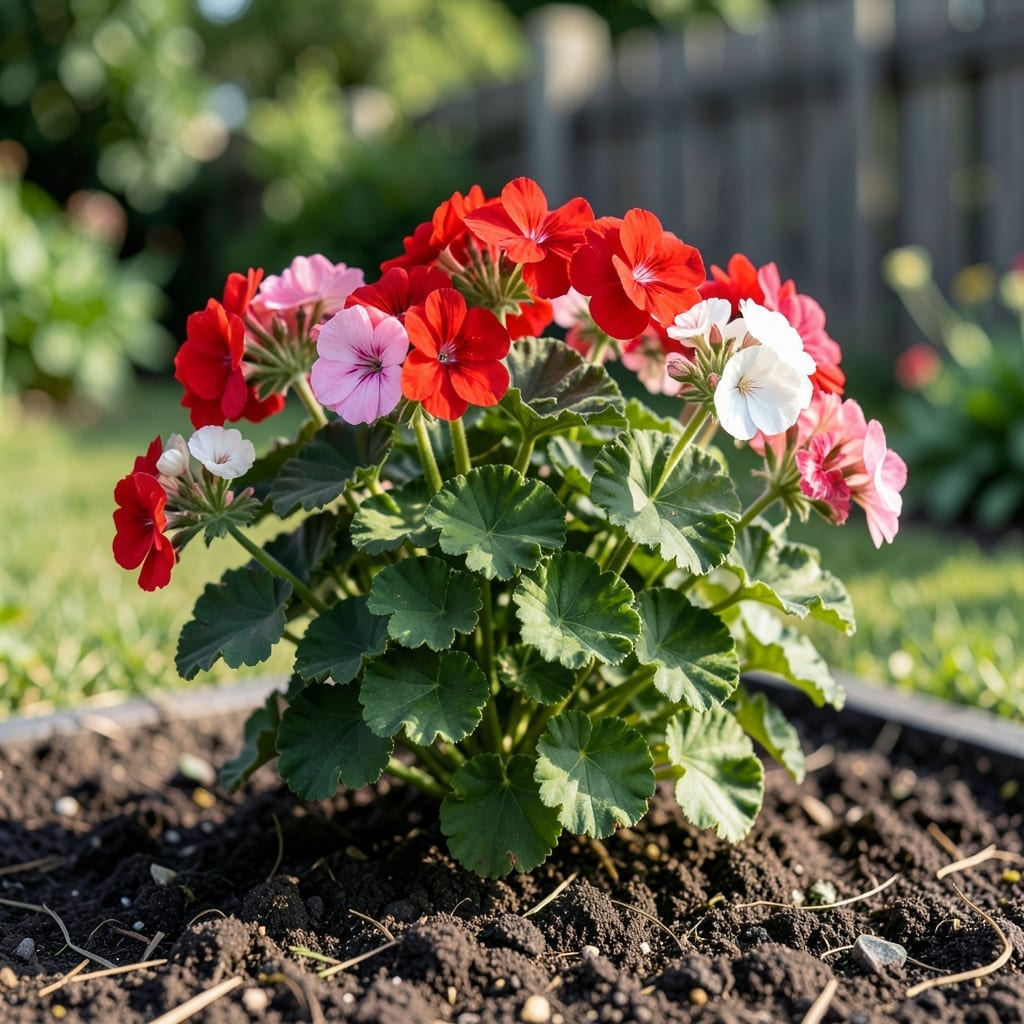
I’ve seen too many gardeners struggle with 🌸 Geraniums that refuse to bloom, all because they’re in the wrong light. It’s a common frustration, but the solution is simpler than you think.
These vibrant plants have specific needs when it comes to sunlight. Get it right, and you’ll be rewarded with lush foliage and abundant flowers. Get it wrong, and you’ll end up with weak, sparse growth.
Let me show you exactly how to strike the perfect balance for thriving Geraniums, no matter your climate or setup.
 Best Window Placement
If you’ve ever wondered whether your geraniums need full sun or partial shade, the answer isn’t one-size-fits-all. Most varieties, like zonal geraniums, thrive with 4-6 hours of sunlight daily but can handle light shade, especially in hot climates.
However, ivy geraniums prefer a bit more shade, while scented geraniums often do well in partial shade. The key is matching the light to the specific type you’re growing.
| Geranium Type | Ideal Light | Notes |
|---|---|---|
| Zonal Geraniums | Full sun to partial shade | Needs 4-6 hours of sun |
| Ivy Geraniums | Partial shade to full sun | Prefers morning sun, afternoon shade |
| Scented Geraniums | Partial shade | Tolerates less light, fragrant foliage |
Too much sun can scorch geranium leaves, turning them yellow or crispy. If you notice this, move them to a spot with afternoon shade. On the flip side, too little light leads to leggy growth and fewer blooms.
In my experience, east-facing windows are ideal for indoor geraniums, providing gentle morning sun. Outdoors, a south or west-facing location works best, but watch for intense afternoon heat in summer.
Signs of too much sun include wilting, brown leaf edges, or faded flowers. If this happens, provide shade during the hottest part of the day. A shade cloth can be a lifesaver in extreme heat.
For optimal blooming, aim for at least 6 hours of sunlight for zonal geraniums. If your garden lacks sun, try ivy or scented varieties, which are more shade-tolerant.
I’ve found that container-grown geraniums give you the most flexibility. You can move them to follow the sun or provide shade as needed. Just ensure the pots have drainage holes to prevent soggy roots.
If you’re growing geraniums indoors, rotate the pots weekly to ensure even light exposure. This prevents the plants from growing lopsided as they reach toward the light.
Finally, remember that seasonal changes affect light needs. In spring and fall, geraniums can handle more sun, but in peak summer, a bit of shade can prevent stress. Keep an eye on your plants and adjust as needed.
With the right balance, your geraniums will reward you with vibrant blooms and healthy foliage all season long.
Geraniums are adaptable, but their sunlight needs shift with the climate. In hot, dry regions, they often need protection from intense afternoon sun to prevent scorching. I’ve found that morning sun with afternoon shade works wonders in desert-like conditions.
For cool, humid climates, geraniums can usually handle more direct sunlight without stress. However, even here, a bit of shade during the hottest part of the day can keep them thriving.
In my garden, I use portable planters to adjust sun exposure easily. This way, I can move my geraniums to a shadier spot during heatwaves or into full sun when temperatures drop.
For indoor geraniums, a south-facing window is ideal, but watch for leaf burn in summer. A sheer curtain can diffuse harsh light while still letting enough through for healthy growth.
If you’re in a very hot zone, consider planting geraniums where they’ll get dappled shade from trees or structures. This mimics their natural preference for bright but not brutal sunlight.
Remember, observation is key. If your geraniums look stressed, adjust their light exposure. Yellowing leaves often signal too much sun, while leggy stems suggest they need more light.
With these adjustments, your geraniums will flourish regardless of your local climate conditions 🌷