
Beautiful Plants For Your Interior
Beautiful Plants For Your Interior
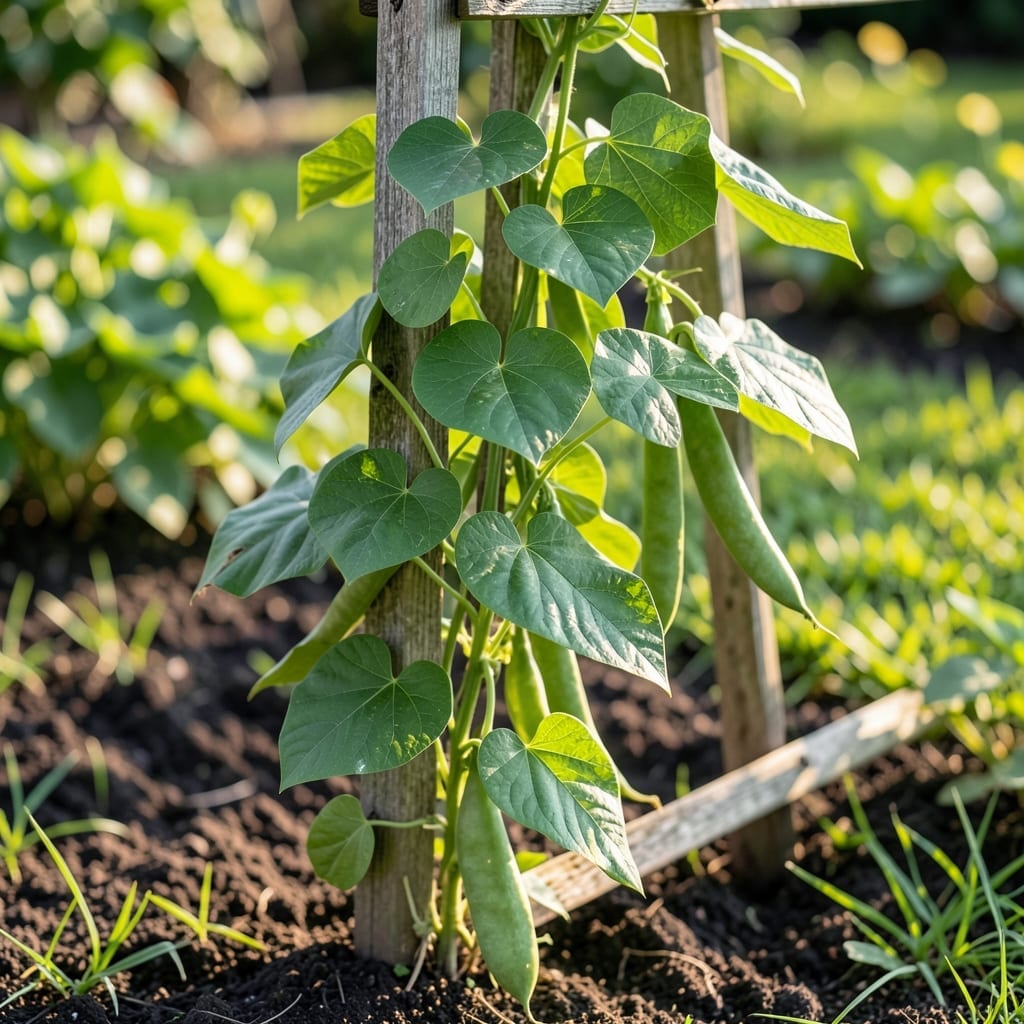
There’s something magical about watching vines climb and produce those big, green pods. 🌱 I planted my first runner beans on a whim, and they quickly became the talk of my garden with their rapid growth and generous harvests.
These plants thrive with minimal fuss—just give them a sturdy trellis, well-draining soil, and plenty of sun. They’ll reward you with fast results, often producing pods within 60 days of planting. No green thumb required.
What surprised me most was how versatile they are. Whether you’re growing them for their edible pods or as an ornamental screen, they deliver in spades. And the more you harvest, the more they produce.
Perfect for small spaces or large gardens, they’ll transform any vertical space into a productive, lush display.
The rapid growth of vines with large green pods is a fascinating result of several natural and environmental factors. Understanding these causes can help gardeners optimize conditions for healthy, productive plants.
Many vine species, such as Luffa aegyptiaca (smooth loofah) or Phaseolus coccineus (runner beans), are genetically programmed to produce large pods. These plants evolved to develop sizable seed vessels for better dispersal and survival. The vine’s vigorous growth habit ensures it can support the weight of these pods while climbing toward sunlight.
Vines thrive in full sun, and abundant sunlight triggers rapid photosynthesis. This process fuels the plant’s growth, allowing it to produce large, nutrient-rich pods. Without sufficient light, vines may grow leggy or fail to develop pods, so ensuring 6–8 hours of direct sunlight daily is key.
Consistent moisture and rich soil promote the expansion of pods. Vines are heavy feeders, requiring nitrogen for foliage and phosphorus/potassium for pod development. Over-fertilization, especially with nitrogen, can lead to excessive leafy growth at the expense of pods, so balanced feeding is essential.
Most pod-bearing vines are warm-season plants, flourishing in temperatures between 70–85°F (21–29°C). Heat accelerates metabolic processes, enabling faster pod maturation. Cooler climates may slow growth, so starting seeds indoors or using row covers can help in temperate zones.
If your vine with large green pods is struggling, these targeted fixes will help restore its health and productivity. Act quickly to address the most common problems gardeners face.
Cause: Nutrient deficiency (often nitrogen or magnesium).
Fix: Apply a balanced, slow-release fertilizer (10-10-10) and work compost into the soil. For magnesium, sprinkle 1 tablespoon of Epsom salt per gallon of water around the base every 2 weeks. Prevention tip: 💡 Test soil annually and amend before planting.
Cause: Insufficient pollination or over-fertilization (too much nitrogen).
Fix: Hand-pollinate by gently transferring pollen with a soft brush. Reduce high-nitrogen fertilizers and switch to a bloom-boosting formula (5-10-10). Prevention tip: ✨ Plant near pollinator-friendly flowers like marigolds or zinnias.
Cause: Underwatering, overwatering, or root rot.
Fix: Check soil moisture 2 inches down—water if dry, or improve drainage if soggy. Trim blackened roots and repot in fresh, well-draining soil if root rot is suspected. Prevention tip: 🌡️ Use a moisture meter and water only when the top inch of soil is dry.
Cause: Aphids, cucumber beetles, or spider mites.
Fix: Spray with neem oil or insecticidal soap at dusk. Remove pests by hand if visible. Introduce beneficial insects like ladybugs. Prevention tip: 🎯 Rotate crops yearly and keep the garden free of debris.
Cause: Late frosts or temperatures below 50°F (10°C).
Fix: Cover young vines with frost cloth or row covers. Use black plastic mulch to warm the soil. Prevention tip: ⏰ Plant after the last frost date for your zone.
Most varieties reach 8-12 feet in a single season with proper support. Some vigorous types, like hyacinth beans, can climb up to 15 feet under ideal conditions.
Pick pods when they’re 4-8 inches long and still firm. Harvest every 2-3 days to encourage more production. Overripe pods become tough and fibrous.
Yes, a sturdy trellis or fence is essential. Without support, vines sprawl on the ground, leading to poor air circulation and disease risk. A 6-foot trellis works for most types.
Use a large container (at least 12 inches deep) with a trellis. Ensure good drainage and water frequently, as container vines dry out faster.